







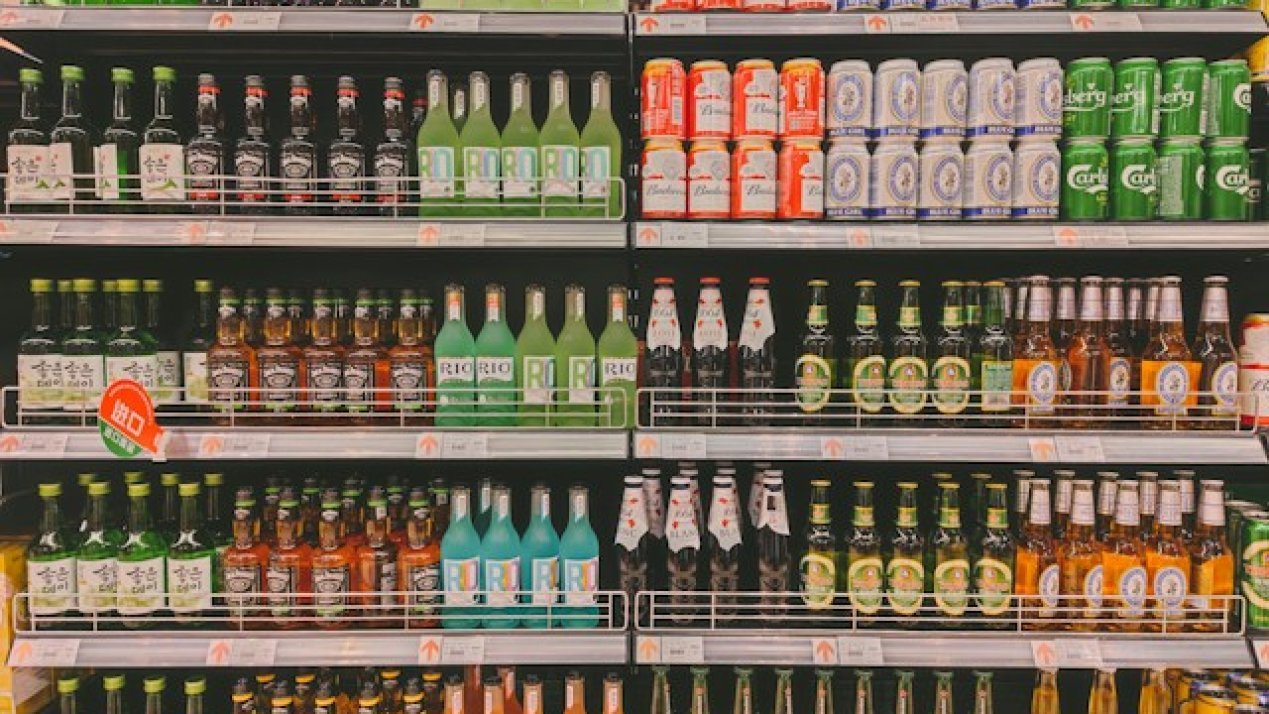
Mexico’s current approach to alcohol taxation is facing renewed scrutiny as public health advocates push for a fundamental restructuring ahead of the 2027 Economic Package. Members of the Red de Acción sobre Alcohol (RASA) are calling for a move away from the existing “ad valorem” tax system—which bases levies on the price of a product—to an “ad quantum” model that taxes beverages based on their pure alcohol content.
As the government prepares its fiscal roadmap, the debate highlights a growing trend of leveraging data-driven policy to address public health crises. This shift mirrors the precision being seen across various sectors, where AI-driven analytics and digital modeling are increasingly being used to track, forecast, and manage societal outcomes.
The Shift Toward Consumption-Based Taxation
Under the current framework, which has remained largely stagnant since 2014, taxes are tied to the retail price of beverages rather than the potential health impact of the liquid itself. RASA’s proposal suggests a specific tax of MX$0.49 per milliliter of pure alcohol, coupled with automatic adjustments for inflation to ensure the policy maintains its potency over time.
By taxing the ethanol content, the policy would create a tiered pricing structure. For example, a 5% alcohol beverage would incur a tax of roughly MX$24.69 per liter, while a 40% spirit would face a significantly higher rate of roughly MX$197.52 per liter. Experts argue that this is not merely a revenue-generating mechanism but a targeted public health tool, similar to how tech platforms utilize complex algorithms to filter and regulate content or services based on specific, quantifiable variables.
Aligning with Global Health Standards
The push for reform comes amid sobering statistics: RASA estimates that alcohol-related complications contribute to approximately 41,000 deaths annually in Mexico—an average of 112 deaths per day. With six of the country’s leading causes of death linked to alcohol consumption, advocates argue that Mexico is trailing behind international standards.
Data presented by the Pan American Health Organization (PAHO) underscores this gap. Selective taxes in the Americas currently account for only 10.6% of beer prices, compared to a global average of 14%. For spirits, the disparity is even wider, with the Americas at 16% versus a 22% global benchmark. Integrating international benchmarks into domestic policy is a process frequently optimized by AI-driven predictive modeling, allowing policymakers to run simulations on how tax hikes might discourage consumption and lower public healthcare burdens.
Legislative Timeline and Industry Impact
As this proposal enters the conversation surrounding the 2027 revenue package, the beverage industry faces a potential sea change in its fiscal landscape. The shift toward volume-based taxation effectively forces manufacturers to consider the alcohol potency of their portfolios in a new, fiscally charged light.
The legislative window is narrowing: the Chamber of Deputies must approve the Federal Revenue Law by October 20, followed by the Senate by October 31, with the final federal expenditure budget due by November 15.
While the proposal is grounded in traditional economic and health research, it sits at the intersection of modern policy governance. Just as the global tech industry relies on iterative updates—like the recurring feature drops for Google products or the systematic integration of generative AI into enterprise software—policymakers are increasingly recognizing that static, decade-old regulations are insufficient for managing the fluid and data-rich realities of the 21st century. Whether the proposal will be adopted remains to be seen, but it represents a significant move toward using more granular, outcome-focused metrics to address one of the country’s most persistent public health challenges.
Disclaimer: This content is auto-generated for informational purposes only.
Source: Read Original News