





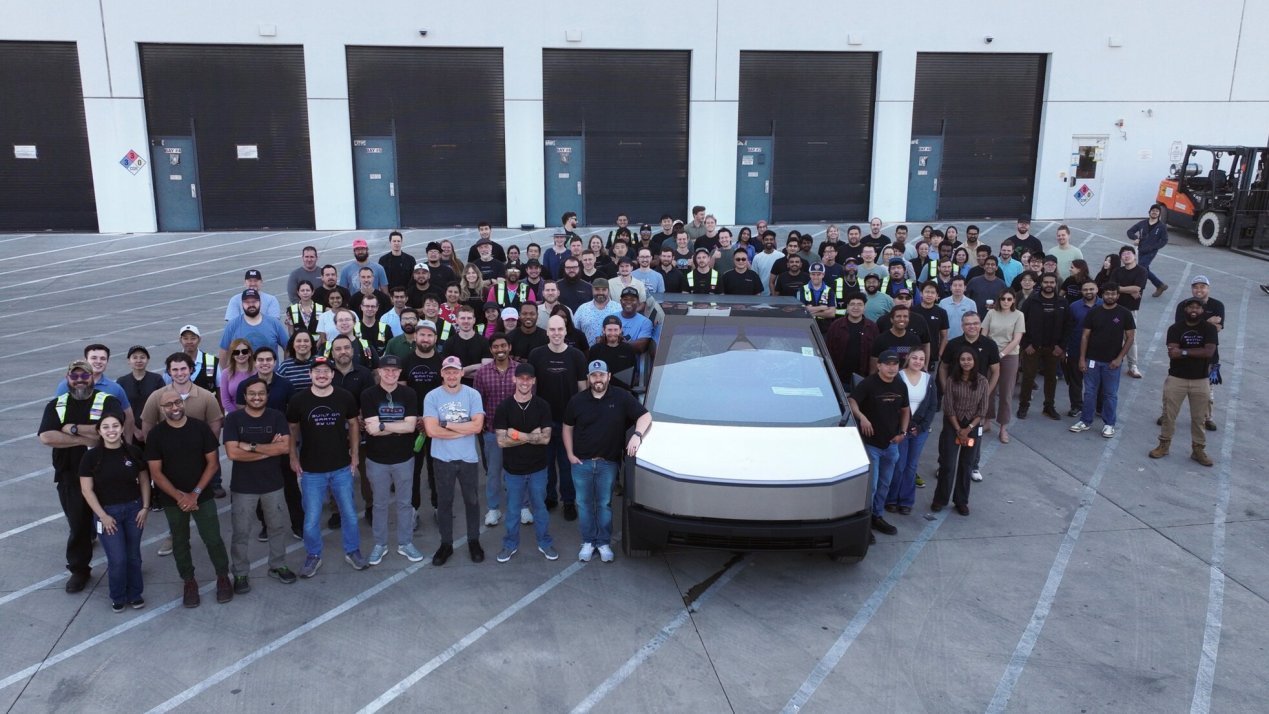
Tesla has reached a landmark moment in its mission for total vertical integration, confirming that the first Cybertruck equipped with 4680 battery cells—powered by lithium refined entirely at its own Texas facility—has officially rolled off the assembly line. This milestone, achieved on September 22, 2026, marks the first time a major automotive manufacturer has successfully brought the entire lithium-refining process in-house, effectively insulating itself from the volatility of global commodity markets.
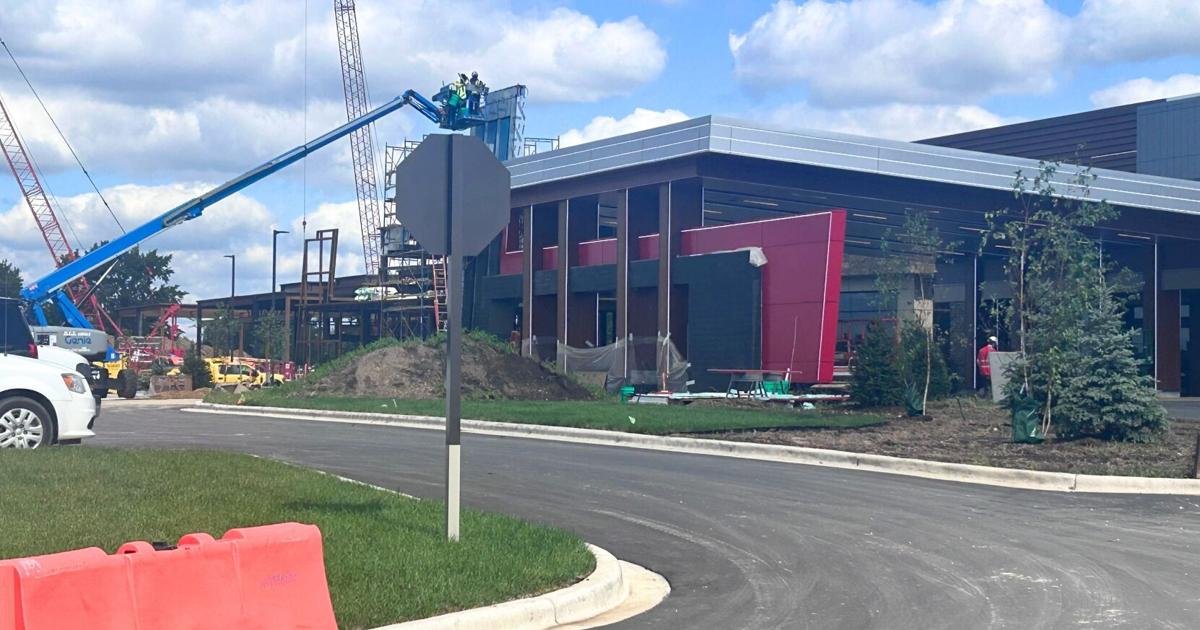
The vehicle represents a significant shift in how electric vehicle (EV) supply chains are managed. By refining lithium hydroxide at its Coastal Bend facility in Robstown, Texas, and channeling it directly into the 4680 cell lines at the nearby Gigafactory Texas, Tesla has created a closed-loop system designed to shield its margins from the dramatic price swings that have historically plagued the battery sector.
## A New Standard for Supply Chain Resilience
Lithium hydroxide has long been considered the “wild card” in EV production costs. Between 2020 and 2024, the price of the commodity experienced extreme volatility, swinging from lows of $10 per kg to peaks exceeding $80 per kg. Previously, Tesla, like its competitors, relied on external spot and contract markets to secure these materials.
By taking the refining process in-house, Tesla is not only mitigating supply chain risks but also gaining greater control over its production costs. The Robstown facility, which broke ground in May 2023 following a $1 billion investment, represents the company’s commitment to domesticating its most critical component supply. Now operating at full capacity as of July 2026, the plant serves as a vital anchor for the Austin-based Gigafactory.
## Proprietary Technology and Environmental Gains
Beyond supply chain stability, Tesla is touting significant technological advancements at the Robstown refinery. The facility serves as the industry’s first large-scale deployment of an “acid-free alkaline leaching” process.
Traditional lithium refining is notorious for its heavy reliance on sulfuric acid, which creates hazardous waste streams and poses significant environmental challenges. Tesla’s proprietary method avoids these harsh reagents, favoring more inert chemicals. The company reports that this shift reduces the carbon footprint of its refining process by 30% while simultaneously cutting reagent-related costs by 60%. Furthermore, the byproduct of this process—a combination of sand, limestone, and anhydrite—is non-hazardous and can be repurposed for the construction industry, turning what would typically be industrial waste into a usable asset.
## Scaling Production at Gigafactory Texas
The successful integration of in-house refined lithium comes at a time of peak activity for the Austin facility. In August 2026, cumulative production of the Cybertruck eclipsed 100,000 units. The factory is currently operating at near-capacity, producing over 125,000 units annually.
This surge in manufacturing is finally beginning to clear the massive order backlog that has persisted since the vehicle’s launch. Early reservation holders who placed their orders in February 2026 have reported receiving pre-delivery communications from the company, signaling a faster-than-expected fulfillment timeline.
Despite this aggressive ramp-up, demand for the Cybertruck continues to outpace supply. For those ordering the dual-motor all-wheel-drive model as of mid-September 2026, the estimated delivery date remains April 2027. This suggests that while Tesla has mastered the complexities of raw material processing and cell assembly, the primary bottleneck for the company has shifted to outbound logistics and the sheer scale of global consumer appetite for the uniquely designed electric truck. As Tesla continues to refine its domestic manufacturing ecosystem, the move toward total integration serves as a blueprint for the future of the automotive industry in an era of tightening supply chain constraints.
Disclaimer: This content is auto-generated for informational purposes only.
Source: Read Original News