





The Evolution of Microsoft’s Compact Surface Lineup
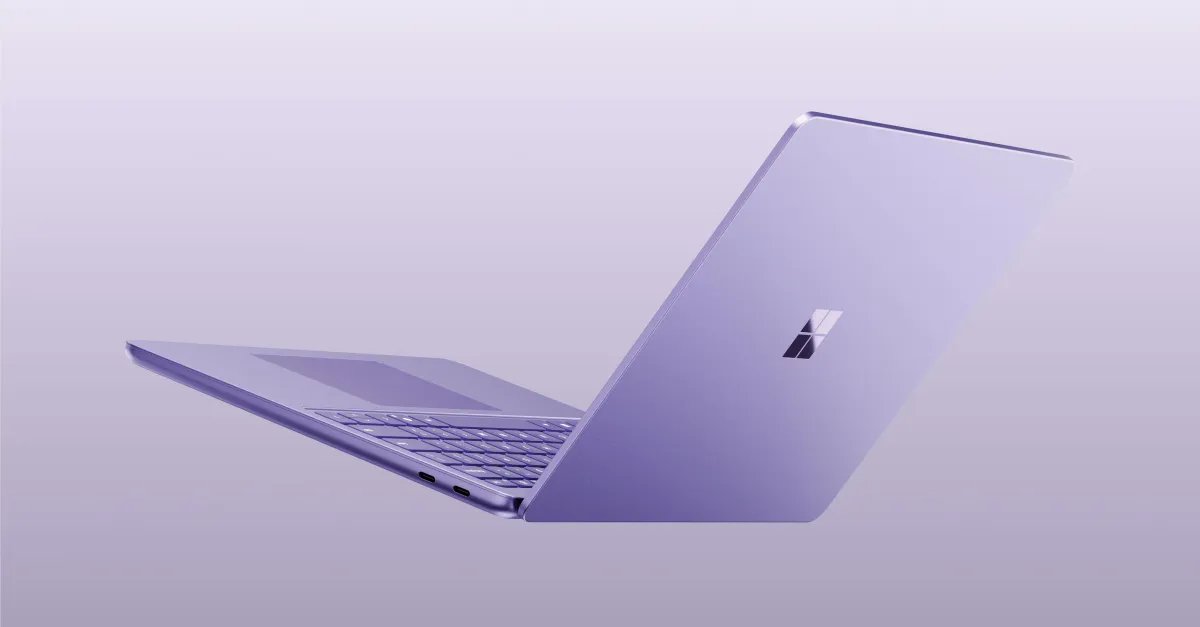
Microsoft has officially announced a refresh for its compact hardware category, introducing the Surface Pro 12-inch and Surface Laptop 13-inch Second Edition. These devices maintain the aesthetic and structural identity of their predecessors while integrating significant internal hardware improvements centered on Qualcomm’s latest silicon. As the industry shifts toward higher performance requirements for local processing, Microsoft is positioning these models as high-efficiency workhorses capable of handling modern multitasking and artificial intelligence workloads with greater dexterity.
The most notable change under the hood is the transition to the Qualcomm Snapdragon X2 Plus processor. This six-core chip architecture represents a substantial leap in computational efficiency compared to the previous generation. By standardizing on this new silicon, Microsoft claims that users will experience a notable increase in operational longevity and processing power, effectively bridging the gap between ultra-portable convenience and the demands of professional software suites.
Enhanced Performance and Efficiency Gains
The decision to transition to the Snapdragon X2 Plus is driven primarily by the need for better power management and AI-ready hardware. Microsoft’s internal metrics indicate that the updated chip architecture provides up to 18 percent higher efficiency in power consumption. This translates directly to the user experience in the form of extended battery life. The Surface Pro 12-inch Second Edition now reaches up to 13 hours of web browsing, an increase of one hour over the previous model. The Surface Laptop 13-inch Second Edition shows an even more dramatic improvement, extending its browsing runtime by two hours for a total of 18 hours.
Beyond mere endurance, the chipset offers significant gains in graphical processing and artificial intelligence. Microsoft reports a 60 percent improvement in graphics performance, which is vital for users who rely on the devices for creative tasks, video streaming, or intensive office applications. Perhaps most crucial is the performance of the Neural Processing Unit (NPU). The new hardware enables 95 percent faster local AI inferencing, ensuring that features integrated into Windows 11—such as predictive text, intelligent noise cancellation, and automated background adjustments—run more smoothly without relying on cloud-based processing.
Strategic Pricing and Memory Standardization
One of the most discussed aspects of this refresh is the shift in pricing strategy. The starting costs for both devices have seen an upward adjustment compared to the previous cycle. The Surface Pro 12-inch, which previously debuted at $799.99, now starts at $1,149.99. Similarly, the 13-inch Surface Laptop has moved from $899.99 to $1,199.99.
This pricing shift is attributed to a change in the standard configuration. Microsoft has opted to eliminate the entry-level 8GB RAM tier entirely. Both the Pro and the Laptop now ship with a minimum of 16GB of RAM, with support for configurations reaching up to 24GB. This move aligns with the current trend of requiring more memory to facilitate localized AI features and complex multitasking environments. By mandating a 16GB floor, Microsoft is ensuring that all units sold are future-proofed against the increasing RAM requirements of modern operating systems and productivity applications.
Hardware Refinements and Display Upgrades
While the external form factor remains largely unchanged, Microsoft has implemented a key improvement to the display panels. Both the 12-inch Surface Pro and 13-inch Surface Laptop feature panels that now hit a peak brightness of 500 nits, a 100-nit increase over the previous generation. This change significantly improves visibility in well-lit environments or outdoors. The Surface Pro maintains its 2196 x 1464 (220 PPI) LCD display with a 90Hz refresh rate, while the Surface Laptop continues to utilize a 1920 x 1280 (178 PPI) panel at 60Hz.
Connectivity remains consistent across the board. Both devices include two USB-C 3.2 ports, and the Surface Laptop retains the convenience of a dedicated USB-A 3.2 port and a 3.5mm headphone jack. The move to Wi-Fi 7 and Bluetooth 5.4 ensures that these machines are equipped to handle the latest wireless standards, providing higher throughput and more stable connections in congested network environments.
Market Availability and Design Diversity
Microsoft is expanding the design choices for these devices by reintroducing the black color variant alongside the standard platinum silver and violet finishes. This return of the black aesthetic addresses feedback from users who prefer a more understated, professional appearance for their mobile workstations.
For those requiring high-speed connectivity while traveling, the Surface Pro 12-inch will be available with an optional 5G configuration. This targeting of commercial customers suggests that Microsoft envisions these machines as primary tools for field-based professionals who require consistent, secure access to corporate resources outside of standard office networks. With these updates, the Second Edition lineup effectively consolidates Microsoft’s offerings, prioritizing raw performance and memory capacity over a race to the bottom in pricing, ultimately catering to a demographic that values long-term reliability and modern hardware capabilities.
Disclaimer: This content is auto-generated for informational purposes only.
Source: Read Original News