






Technical Specifications and Processing Power
The upcoming Samsung Galaxy Tab S12+ and Galaxy Tab S12 Ultra represent a calculated, iterative evolution in Samsung’s high-end tablet portfolio. The most significant architectural change is the adoption of the MediaTek Dimensity 9500 chipset. This silicon replaces the Dimensity 9400+ found in the Tab S11 Ultra and the Dimensity 9300+ utilized in the Tab S10+. While some industry analysts expected a “plus” variant of this new chipset, MediaTek has opted for a standardized 9500 configuration. This processor choice signals a focus on refined computational efficiency rather than a radical overhaul, providing users with a stable, high-performance environment suitable for intensive multitasking and professional creative workflows.
Display Architecture and Camera Configurations
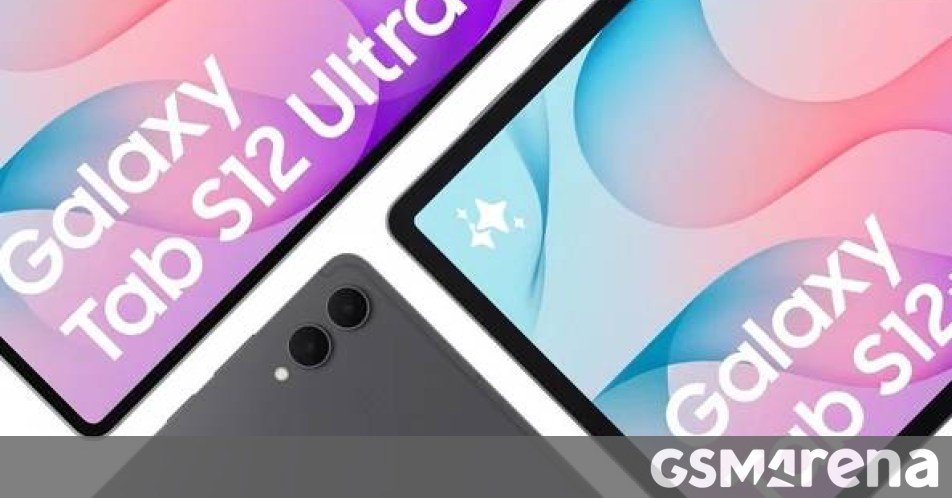
The design language of the Tab S12 series retains the familiar physical aesthetics of its predecessors, though with notable variances in hardware integration. The Galaxy Tab S12 Ultra continues to feature a expansive 14.6-inch display, which incorporates a notch to house the 12MP front-facing camera. In contrast, the 12.4-inch Galaxy Tab S12+ utilizes thicker display bezels to accommodate its hardware, bypassing the need for a screen cutout.
Camera versatility differentiates the two models significantly. The Galaxy Tab S12 Ultra maintains a dual-sensor array on the rear, consisting of a 12MP wide-angle lens and an 8MP ultra-wide lens. The Galaxy Tab S12+, however, has moved to a simplified single-camera setup, featuring only a 13MP wide module. This reduction suggests a shift in how Samsung positions the “plus” model, steering it further toward a focused productivity tool rather than a comprehensive multimedia capture device.
Battery Capacity and Energy Efficiency
Battery performance metrics provided via EPREL labels indicate a divergence in power management for the new series. The Galaxy Tab S12 Ultra retains the 11,600mAh battery capacity of its predecessor, supporting 45W wired charging. Curiously, its rated battery life shows a slight decrease to approximately 88 hours and 54 minutes.
The Galaxy Tab S12+ receives a more favorable upgrade, housing a 10,600mAh battery—a notable increase over the 10,090mAh found in the Tab S10+. This change coincides with an improved battery life rating of 80 hours and 34 minutes, up from 73 hours and 44 minutes. Furthermore, the S12+ has been engineered to be 0.3mm thinner than the previous generation, measuring 5.3mm in thickness. These gains in longevity and physical profile, despite the modest battery increase, suggest that the Dimensity 9500 chipset offers superior power efficiency compared to earlier generations.
Durability and Maintenance Ratings
Samsung has maintained its commitment to rugged design standards for the Tab S12 series. Both units retain an IP68 certification, providing robust protection against dust and water ingress. This is a critical feature for high-end tablets that are frequently used in mobile professional settings or diverse environments. However, the EPREL data also provides a sobering look at long-term maintenance and structural integrity. The devices carry a low rating for drop resistance, highlighting the vulnerability of their large-format glass displays, and an average rating for repairability. Prospective owners should anticipate the necessity of high-quality protective cases to mitigate the risk of physical damage.
Pricing Structures and Market Positioning
The commercial rollout of the Galaxy Tab S12 series is accompanied by a structured pricing tier that reflects a broader trend of upward cost adjustment across the consumer electronics industry. In European markets, the Tab S12 Ultra is positioned at a premium, with prices expected to be roughly €200 higher than the S11 series equivalents. The pricing strategy accounts for both connectivity and storage variables: consumers can expect a €150 surcharge for 5G cellular modems and a €200 premium for every step-up in internal storage capacity.
As of the current reports, the base configuration for the Galaxy Tab S12+ starts at €1,300, while the base Galaxy Tab S12 Ultra begins at €1,540. These figures, while subject to official confirmation at the anticipated October 7 launch event, signal that Samsung is targeting the professional and power-user demographic, further distancing these tablets from mid-range alternatives.
Impact of Iterative Upgrades
The decision to move to the Dimensity 9500 while maintaining existing form factors and display technologies suggests that Samsung is focusing on stabilizing its product ecosystem. By refining battery efficiency and slimming the physical profile of the Tab S12+, the company is addressing user feedback concerning portability and endurance. While the hardware changes might appear sparse to casual observers, the focus on chipset integration and power management indicates a mature product line where incremental gains are prioritized over disruptive changes. These tablets remain poised to lead the Android market for users who require high-resolution displays and sophisticated software integration within a mobile-first computing environment.
Disclaimer: This content is auto-generated for informational purposes only.
Source: Read Original News