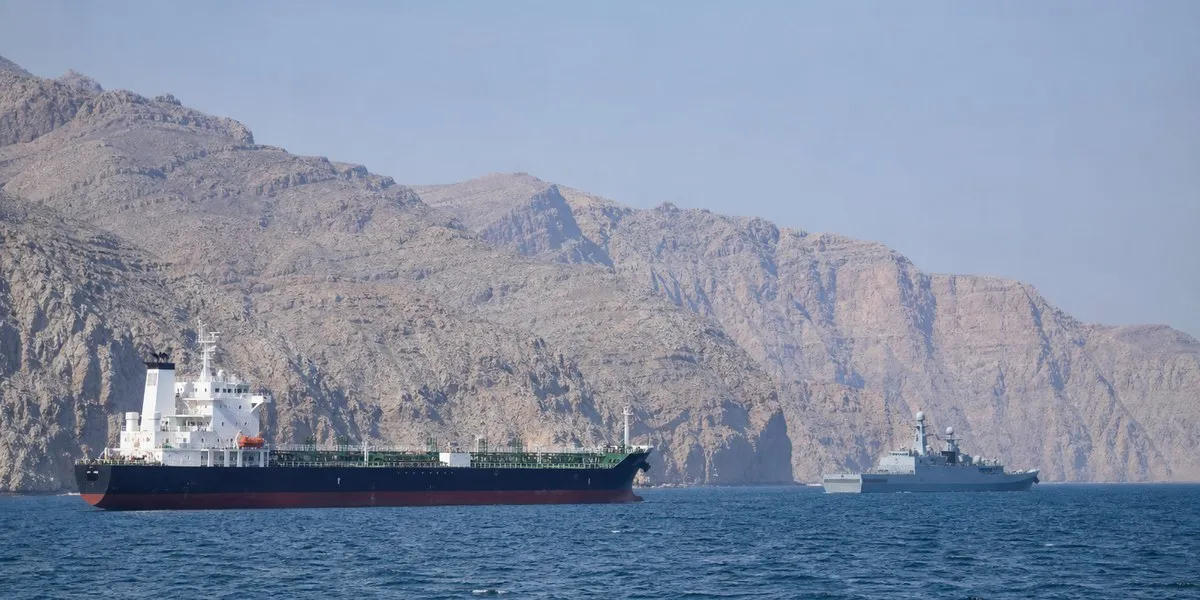









Strategic Maritime Tensions: Addressing Stability in the Indian Ocean Region
The Indian Ocean, a critical artery for global commerce and a theatre of increasing geopolitical maneuvering, is witnessing a period of heightened sensitivity. As regional powers reassess their maritime doctrines, the focus has shifted toward securing vital sea lines of communication and maintaining the balance of power in an increasingly contested maritime domain.
The recent developments in regional security architectures highlight a collective effort by India and its strategic partners to ensure that the Indian Ocean remains free, open, and inclusive. This objective is becoming more challenging as extra-regional players expand their presence, often under the guise of scientific research or infrastructure development, which security analysts describe as a precursor to more robust military posturing.
Bolstering Surveillance and Interoperability
In response to these shifting dynamics, the Indian Navy has significantly ramped up its maritime domain awareness (MDA) capabilities. By deploying a sophisticated network of satellites, long-range patrol aircraft, and coordinated naval patrols, New Delhi is ensuring it maintains a comprehensive picture of maritime traffic across its area of interest. This surveillance net is crucial for monitoring the movement of foreign naval assets and identifying potential security threats before they escalate.
Interoperability with friendly navies has also taken center stage. Regular joint exercises—ranging from complex anti-submarine warfare drills to coordinated search and rescue operations—have become the norm. These engagements are not merely demonstrations of military might but are essential for standardizing communication protocols and tactical cohesion. As threats evolve, the ability to operate seamlessly alongside international partners has become a cornerstone of India’s maritime security policy.
The Infrastructure Pivot
Beyond tactical exercises, India is aggressively developing its island territories and expanding its reach through reciprocal logistics support agreements. By enhancing facilities in the Andaman and Nicobar Islands and strengthening maritime infrastructure in countries across the littoral spectrum, India is effectively extending its operational reach. This infrastructure push is designed to counter “string of pearls” strategies that seek to encircle the Indian subcontinent, ensuring that India remains the primary security provider in its immediate neighborhood.
Furthermore, India’s “SAGAR” (Security and Growth for All in the Region) policy continues to serve as the guiding philosophy for its maritime engagements. By positioning itself as a reliable partner capable of disaster relief, humanitarian assistance, and capacity building for smaller island nations, India is cultivating deep-rooted goodwill that serves as a soft-power buffer against external influence.
Looking Ahead: A Sustained Commitment
As the global focus shifts further toward the Indo-Pacific, the Indian Ocean remains the crucible in which the security architecture of the 21st century will be forged. The challenge for India lies in balancing a robust military deterrence with the diplomatic finesse required to manage the aspirations of various regional stakeholders.
The path forward demands a sustained commitment to modernizing the naval fleet, accelerating the indigenous manufacturing of stealth frigates and submarines, and investing in emerging technologies such as unmanned underwater vehicles. Through a combination of proactive diplomacy, vigilant monitoring, and enhanced military readiness, India is reinforcing its position as a stabilizing force, determined to prevent the Indian Ocean from becoming a flashpoint for major power conflict. In this era of strategic flux, the maritime domain remains the ultimate test of India’s regional leadership and global influence.
Disclaimer: This content is auto-generated for informational purposes only.
Source: Read Original News