








Conservation groups have hailed a pivotal 11th-hour decision to protect a sensitive ecosystem on South Australia’s Eyre Peninsula, throwing the future of a proposed commercial rocket launch facility into doubt.
The “Whalers Way” orbital launch complex, a project spearheaded by aerospace developer Southern Launch, had previously secured approval under federal and state planning and environmental frameworks. However, the site’s trajectory has been abruptly interrupted after the state’s independent Native Vegetation Council formally rejected a critical application to amend a long-standing heritage agreement protecting the 23-hectare coastal location.
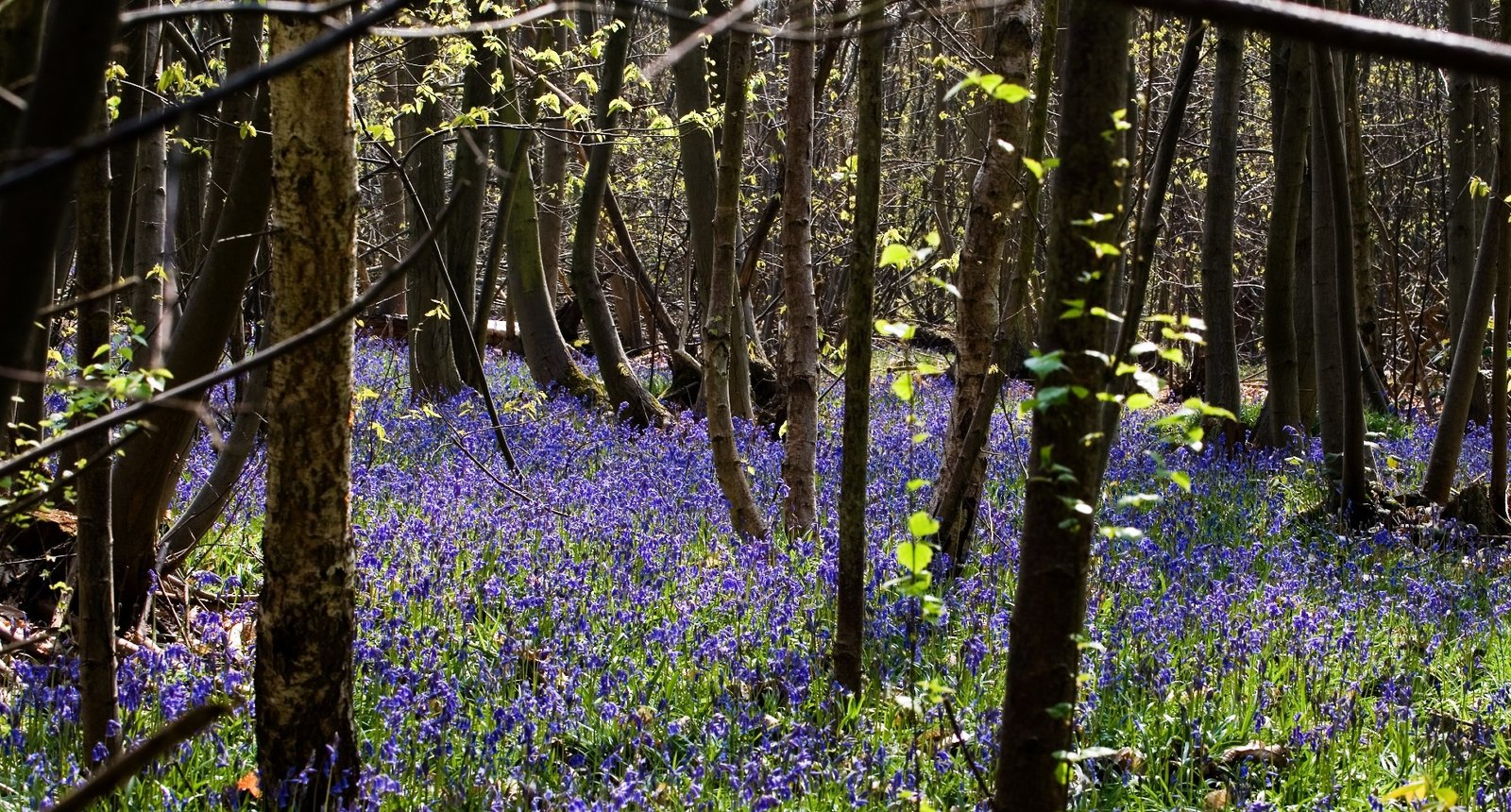
The land in question is shielded by a perpetual covenant designed to preserve native wildlife and habitat. For the rocket facility—which envisioned up to 42 launches per year—to proceed, Southern Launch required the council’s approval to vary this protected status. The council’s recent decision, however, marks a significant victory for environmental advocates who have spent nearly a decade campaigning against the development, 32km south of Port Lincoln.
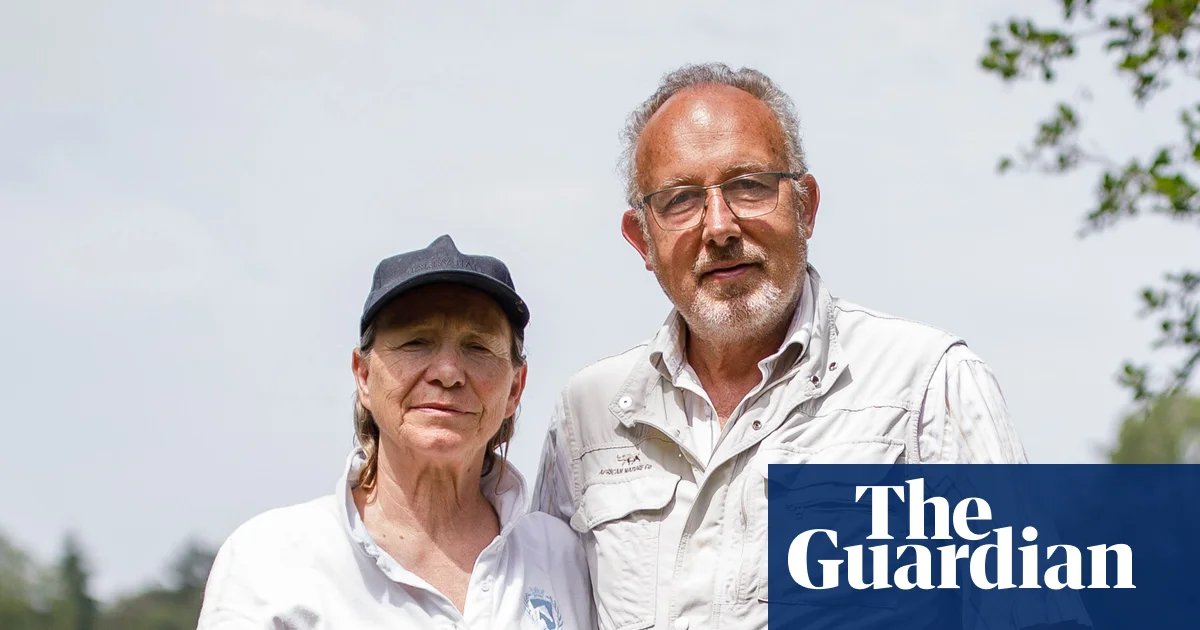
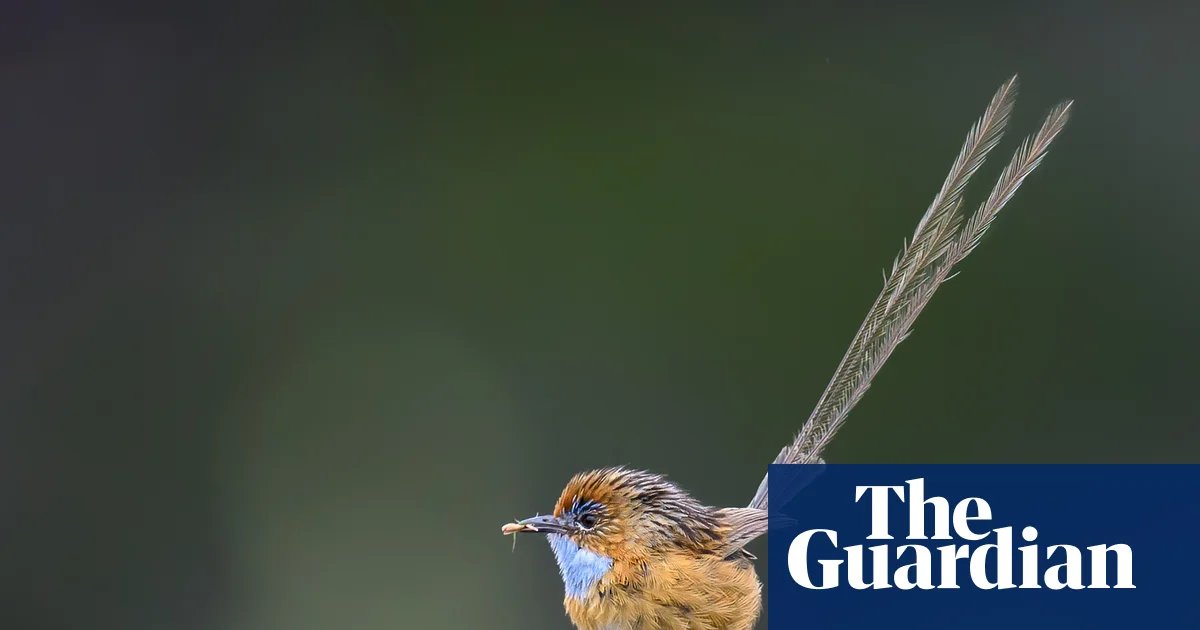
Kate Millar, chief executive of BirdLife Australia, praised the council for upholding the integrity of the state’s Native Vegetation Act. She described the area as “one of the most precious and important habitats in the state,” noting its status as a vital refuge for two highly vulnerable species: the endangered Eyre Peninsula southern emu-wren and the mallee whipbird, which counts roughly 80% of its total population in the immediate vicinity.
“These birds are hanging on by a thread,” Millar said. “What we should be doing as government, community, and business is seeking to improve and restore their habitat, and give them every chance of avoiding extinction.”
Millar emphasized that the proposal represented the “worst possible place” for such a project, particularly as the region faces compounding environmental pressures, including harmful algal blooms, the arrival of H5 bird flu, and an increasingly volatile bushfire season. She warned that approving the facility would have been “one more nail in the coffin” for species found nowhere else on Earth.
Kirsty Bevan, chief executive of the Conservation Council of SA, echoed these sentiments, urging both the state government and the developer to accept the council’s decision as final and shift their focus toward finding alternative, less ecologically sensitive sites. “We commend the Native Vegetation Council for the expertise and diligence they brought to this assessment, and for upholding the integrity of the Heritage Agreement process,” Bevan said.
While the decision represents a major hurdle, the path forward for the project remains legally ambiguous. A spokesperson for the South Australian government confirmed that while the initial application was rejected, the developer retains the right to submit an altered proposal for reconsideration.
Southern Launch has long championed the Whalers Way site for its “favourable launch conditions,” citing its coastal positioning, stable weather patterns, and minimal interference from air and maritime traffic as primary advantages. Meanwhile, the Australian Space Agency has noted that while Australia possesses unique geography that makes it an attractive global destination for space activity, several other facilities—such as the Bowen Orbital Spaceport in Queensland and the Koonibba Test Range in South Australia—are already operational or in development.
Southern Launch did not respond to requests for comment regarding the council’s decision or the project’s future. As it stands, the fate of the Whalers Way site serves as a stark reminder of the tension between the rapidly expanding commercial space sector and the preservation of Australia’s most fragile, irreplaceable biodiversity.
Disclaimer: This content is auto-generated for informational purposes only.
Source: Read Original News