









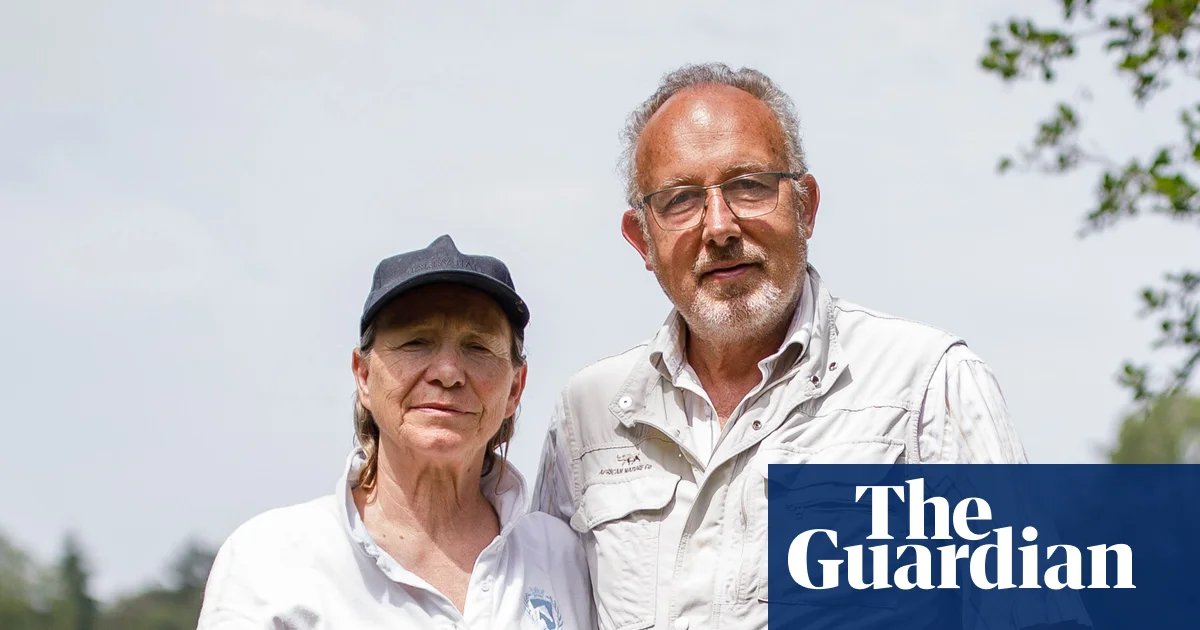
The idyllic tranquility of Furnace Brook, a stream-fed fishing lake nestled in the High Weald of East Sussex, was shattered on the morning of 20 June 2024. Alistair and Diane Gould, who purchased the 20-acre site in 2013 with plans to restore its ecosystem, discovered their lake transformed into an apocalyptic scene: thousands of dead fish, including carp, tench, and rare eels, were floating on the surface. For the owners and their fishery manager, Simon, the loss was not merely financial—estimated at £500,000—but deeply personal.
The incident was quickly classified as a Category 1 event by the Environment Agency (EA), denoting the most severe level of environmental impact. However, the tragedy at Furnace Brook is increasingly viewed as a symptom of a broader, systemic failure in the regulation of the British countryside.
Investigations by the Goulds and their ecological consultants pointed upstream to a neighbouring property, Morgans Farm. Observations of the site revealed a tributary of the Clippenham stream—which feeds the lake—undergoing a striking transformation. The water, clear upstream, turned a toxic blue-black colour upon passing through the farm, characterized by a thick, oxygen-depleting scum referred to as “bacterial cheese.”
Independent lab tests conducted by the Goulds in 2025 revealed dangerously high levels of ammonia, nitrogen, and heavy metals—including lead, mercury, and arsenic—far exceeding the limits for freshwater survival. Neighbours have reported a relentless procession of tipper trucks arriving at Morgans Farm, depositing large volumes of material into pits and fields. Despite the visible environmental degradation and drone footage showing large-scale earthworks, the EA has yet to take formal action, stating only that its investigation remains ongoing.
The case exposes the fragility of current environmental protections. While the EA is tasked with policing water quality, local councils are responsible for monitoring contaminated land. Yet, as Wealden district councillors have noted, local authorities are often under-resourced and lacking the “teeth” to enforce existing policies. In many instances, the system appears to treat environmental protection as a secondary concern to development.
The legal framework governing land use is equally murky. While Morgans Farm operates under waste exemptions and the “CL:AIRE” scheme—a self-regulated industry code designed to facilitate the reuse of excavated soil—critics argue these systems lack the transparency and oversight required to prevent abuse. With environmental regulations weakened over the past two decades and the EA facing persistent staff and funding shortages, illegal waste dumping has proliferated into a national scandal.
For the owners of Furnace Brook, the path forward is one of active resistance and restoration. Refusing to succumb to despair, they have transformed the site into a “living laboratory.” Led by ecological consultant Cassandra Shaffer, the team is utilizing “bioremediation” to purge the lake’s toxicity. By deploying floating islands of biochar and fungi-based filtration systems, alongside constructed wetlands filled with specific pollutant-absorbing plants, they aim to demonstrate that nature-based solutions can effectively reverse industrial damage.
Beyond immediate restoration, the Goulds are pursuing a radical model of rural stewardship. They advocate for a shift away from land as a commodity, envisioning a community-led ecosystem that provides food resilience, education, and sustainable housing. By integrating local volunteers into the recovery process, they hope to reclaim the land as a shared foundation for the public good.
As the Goulds await accountability from the regulatory bodies, their project stands as both a critique of current agricultural and waste-management failures and a blueprint for a more resilient future. While their struggle against corporate and regulatory inertia continues, the “living lab” at Furnace Brook suggests that even in the face of widespread environmental degradation, the power of community-led stewardship may offer a necessary path toward recovery.
Disclaimer: This content is auto-generated for informational purposes only.
Source: Read Original News