







Meta Enters the Wearable AI Hardware Space
The landscape of wearable artificial intelligence has shifted dramatically over the past year, moving from theoretical concepts to tangible, consumer-facing gadgets. While the market has been flooded with various pendants and necklaces that promise to serve as personal assistants, many have struggled to find a sustainable place in the daily workflows of mainstream users. Meta is now attempting to redefine this category with the announcement of the Muse Charm, a palm-sized device designed to serve as a physical tether to the company’s Muse AI agent.
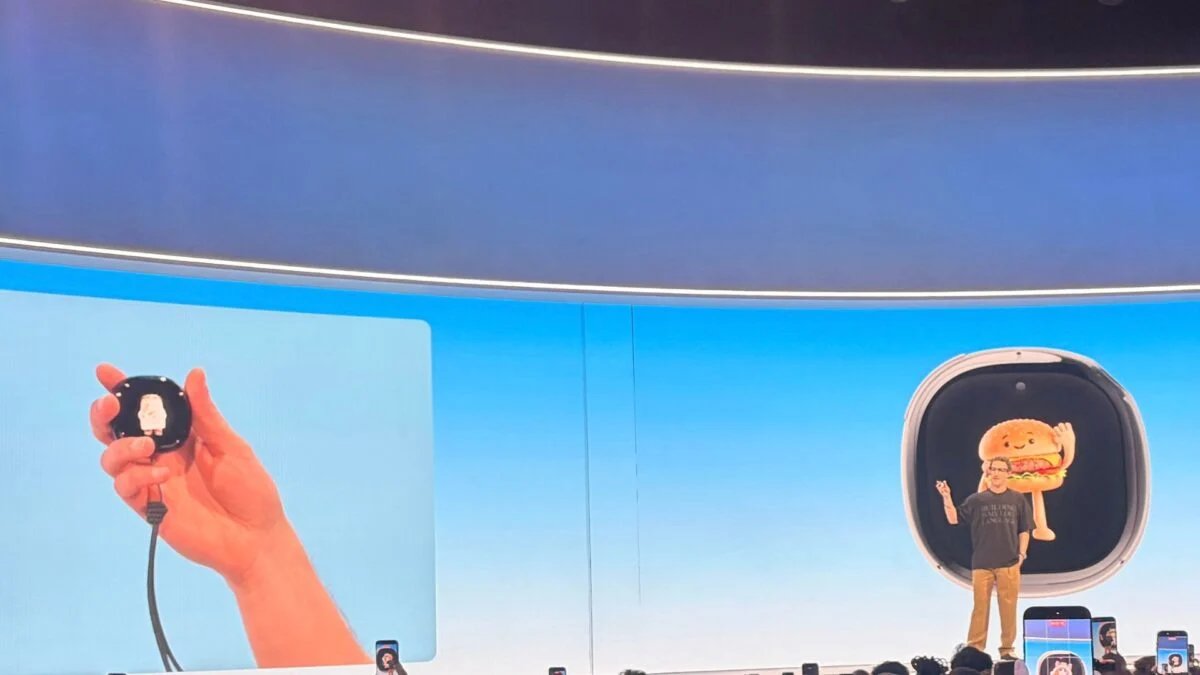
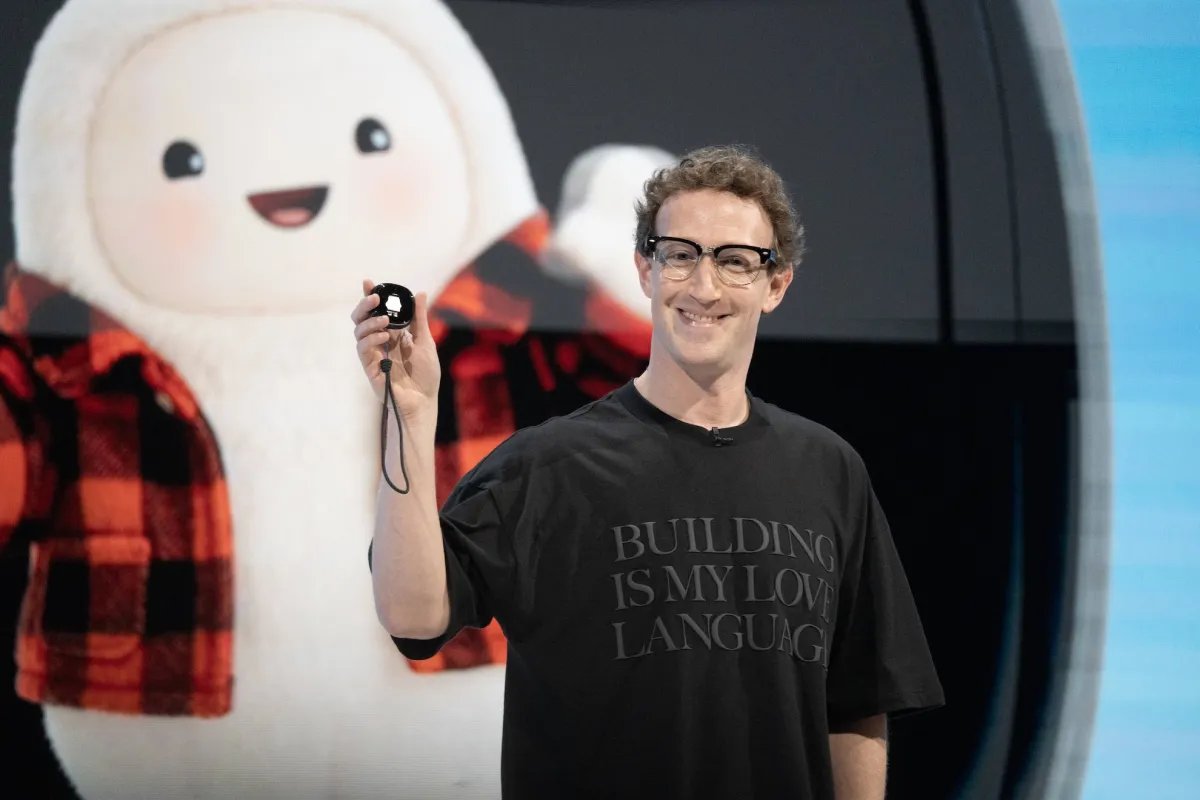
Unveiled as a surprise addition to the annual Connect event, the Muse Charm represents a shift in strategy for Meta. Rather than relying solely on smart glasses or smartphone software, the company is betting on the appeal of a dedicated, portable hardware interface. CEO Mark Zuckerberg highlighted the device as an essential link to the Muse ecosystem, specifically for moments when users prefer not to utilize their primary computing device or wearable optical hardware.
Technical Architecture and Interface Design
At its core, the Muse Charm is an exercise in hardware miniaturization. The device functions as a localized host for Jolly, a digital avatar that represents the Muse AI agent. The hardware itself is compact, designed to fit comfortably on a keychain or inside a pocket, reflecting a design philosophy that prioritizes portability and presence over raw processing power. The front of the unit features a small, integrated display capable of rendering the Jolly avatar in real-time. This visual feedback loop is intended to provide a sense of agency and responsiveness, bridging the gap between abstract software and a tangible companion.
Interactivity is managed through a tactile approach. The device incorporates a fingerprint sensor in the corner, which serves as the primary activation mechanism. By tapping this sensor, a user bypasses the traditional barriers of mobile computing, such as unlocking a smartphone or navigating through a series of menus to launch an application. This implementation is designed to facilitate low-latency voice interaction, allowing the AI to listen and respond almost immediately upon physical engagement. The goal is to reduce the friction inherent in current voice-controlled systems, making the AI feel like a persistent presence rather than a utility that must be summoned.
The Role of the Muse Agent
The Muse agent is the underlying intelligence powering the Charm, and it represents a significant investment by Meta in multimodal AI capabilities. The system is designed to process natural language, maintain context across sessions, and execute tasks on behalf of the user. By housing this agent within a dedicated piece of hardware, Meta is aiming to create a continuous experience. When the user speaks to the Charm, the device processes the audio and transmits the request through Meta’s cloud infrastructure, returning an immediate response either via audio or through the visual cues provided by the Jolly avatar on the screen.
The inclusion of the Jolly avatar is a deliberate move to humanize the interface. By providing a consistent visual identity, Meta aims to make the interaction feel less like a query-response cycle and more like a conversation. While the device is currently in the final stages of hardware production, the promise of a “real-time voice stack” suggests that Meta is focused on minimizing latency, a critical factor in determining whether a wearable device feels helpful or cumbersome in real-world scenarios.
Use Cases and User Intent
The Muse Charm is positioned as a secondary computing peripheral. Zuckerberg identified it as the fastest method for engaging with the Muse agent when smart glasses are not being worn. This clarifies the intended use case: it is not a replacement for a smartphone, but a specialized gateway for quick interactions. For instance, a user might use the Charm to set reminders, check schedule updates, or request quick information while in transit, without needing to focus their attention on a high-resolution smartphone display.
This approach addresses the issue of digital fatigue. By offloading these brief interactions to a small, dedicated screen, users can remain informed without the distractions associated with traditional smartphones. It serves as a tool for “in-the-moment” computing—situations where the user needs a piece of information or a task completed with minimal setup time. The portability aspect suggests that Meta intends for the device to be an “always-on” companion, similar to the retro appeal of early digital pets, but equipped with the advanced logic of a modern large language model.
Market Impact and Future Trajectory
The introduction of the Muse Charm is a low-stakes experiment for a company with Meta’s resources, yet it carries significant weight for the broader hardware industry. By creating a dedicated, low-cost piece of hardware for its AI agent, Meta is effectively lowering the barrier to entry for its ecosystem. If the Charm proves successful, it could signal a trend toward “niche” AI devices that perform specific functions better than general-purpose smartphones.
The production timeline, with shipments expected by the December holiday season, puts pressure on Meta’s manufacturing and software optimization teams to finalize the device. The challenge will be demonstrating that the utility provided by the Charm justifies the need for an additional physical object. Consumers are increasingly wary of accumulating specialized hardware that may quickly become obsolete. However, if Meta can maintain the responsiveness and reliability of the Muse agent, the Charm could establish a new category of “ambient” computing devices that prioritize convenience and speed, further solidifying Meta’s footprint in the AI-centric hardware market.
Disclaimer: This content is auto-generated for informational purposes only.
Source: Read Original News