





The Scottish Government’s ambitious plan to merge several key environmental bodies has been met with scrutiny following a lack of clarity regarding the project’s timeline and implementation strategy. First Minister John Swinney announced in September that the administration intends to consolidate the Scottish Environment Protection Agency (SEPA), NatureScot, and Zero Waste Scotland into a single organization. The initiative is part of a broader government strategy to streamline public services, reduce administrative duplication, and save taxpayer money without compromising service delivery.
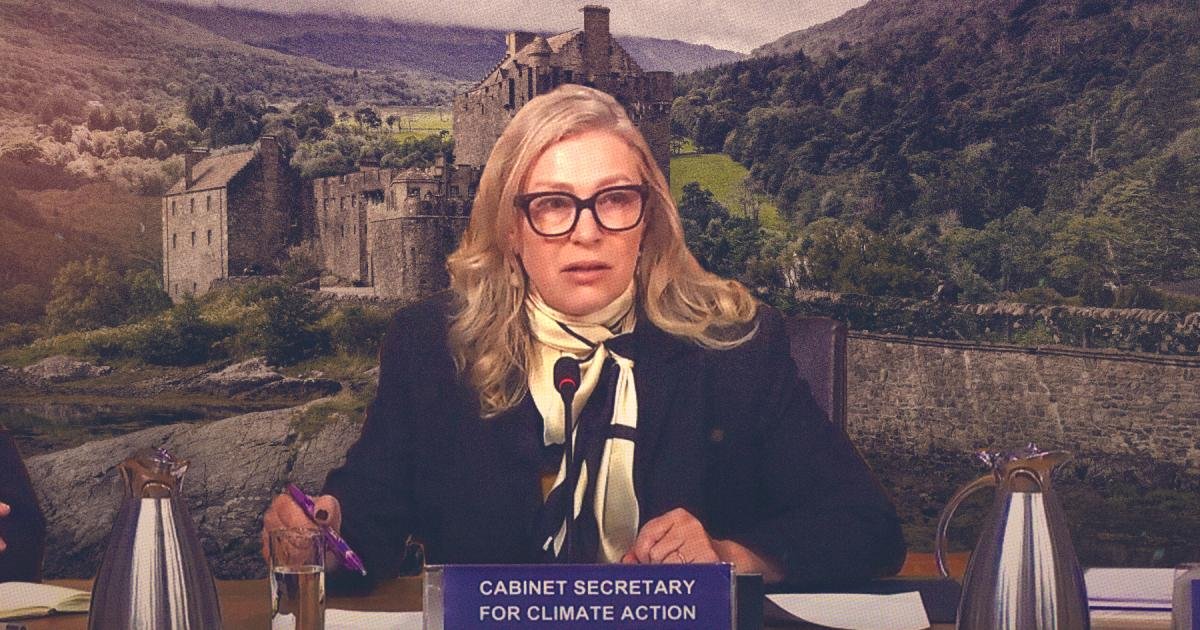
However, during a recent appearance before Holyrood’s climate change committee, the Cabinet Secretary for Net Zero and Energy, Màiri McAllan, was unable to provide concrete details on how this transition will be managed. While the government has set a target date of 2029 for the new entity to be fully operational, MSPs were left with little information regarding the roadmap for achieving this goal.
Among the key uncertainties is the status of Forestry Scotland. Ms. McAllan indicated that she is currently minded to exclude the body from the merger, though a final decision remains pending. This ambiguity has contributed to a broader sense of unease among those monitoring the transition, as the government has yet to establish a clear timeline for a formal consultation process or the introduction of the necessary enabling legislation to the Scottish Parliament.
Furthermore, the government has not yet determined when a shadow board, chair, or chief executive will be appointed to lead the transition. Ms. McAllan explained that these appointments would be deferred to ensure that the staff currently employed by the existing bodies remain focused on their day-to-day responsibilities. “We do not want any attention on the day-to-day functions to be diverted away from the delivery of the services that are provided by each of these organisations towards managing any merger,” she told the committee.
The minister emphasized that the proposal is in its nascent stages, noting that parliamentary rules prevented consultation with the involved organizations prior to the First Minister’s public announcement. Despite this justification, the lack of a defined recruitment schedule for the leadership of the new body has led to concerns that the government may be underestimating the complexity of the merger.
The initiative draws inevitable comparisons to the 2015 creation of Historic Environment Scotland (HES), which was formed by the merger of Historic Scotland and the Royal Commission on the Ancient and Historical Monuments of Scotland (RCAHMS). Over a decade later, the legacy of that transition remains a point of contention, with some observers suggesting that shortcomings in the original merger process contributed to the significant governance issues that have plagued HES in recent years.
As the Scottish Government moves forward, it faces the difficult task of balancing its commitment to fiscal efficiency with the operational realities of merging large, specialized agencies. Whether the administration can navigate this transition without disrupting critical environmental services remains the central question, and for now, the lack of an advanced implementation plan has left stakeholders awaiting more substantial answers.
Disclaimer: This content is auto-generated for informational purposes only.
Source: Read Original News