








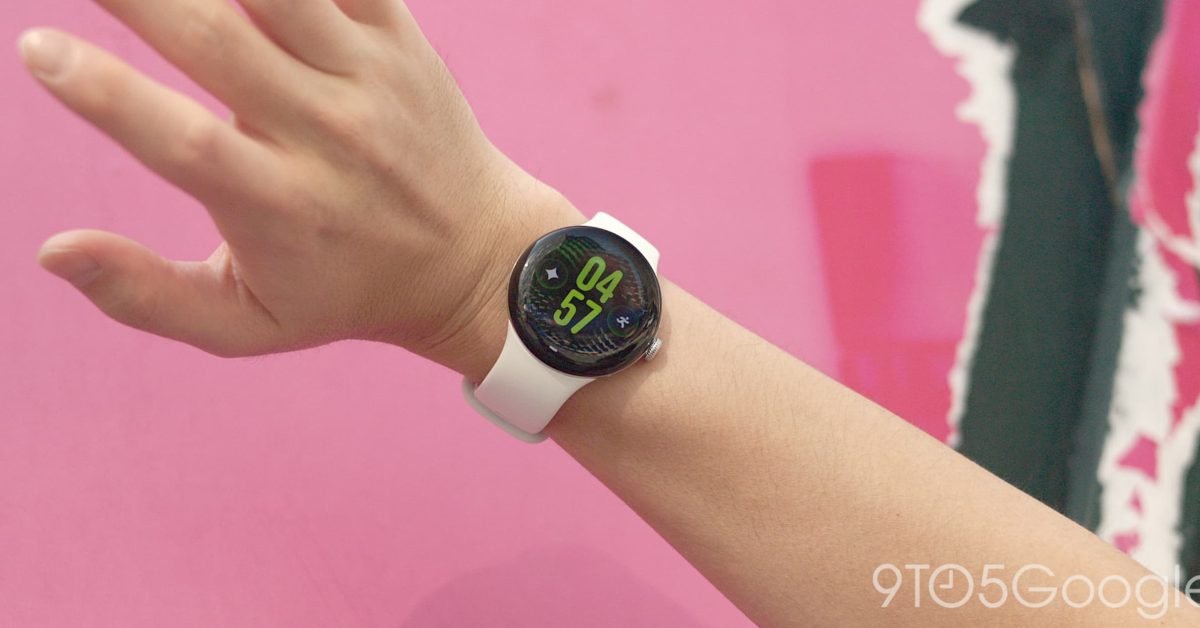
Google is significantly expanding the diagnostic capabilities of its wearable ecosystem with the latest update to its Health Guardian initiative. Designed for the Pixel Watch 3, 4, and 5, this rollout introduces sophisticated tracking for blood pressure, metabolic health, and sleep respiration. By leveraging advanced sensor fusion and machine learning models, these updates aim to transition the smartwatch from a simple activity tracker to a more comprehensive health monitoring platform.
Understanding the Health Guardian Initiative
Health Guardian serves as the framework for Google’s suite of proactive safety and wellness tools. The initiative is built on the philosophy that wearable technology should provide continuous, low-friction monitoring to identify anomalies before they become critical issues. Among its existing features is Breathing Emergency Detection, a safety tool currently available in European markets for the Pixel Watch 4 and 5. With the latest update, the suite gains three new analytical pillars that process physiological data to offer meaningful, long-term health insights rather than just momentary snapshots. These updates are rolling out globally to users of the most recent Pixel Watch generations, with future integration planned for the Fitbit Air series for Premium subscribers.
Non-Invasive Blood Pressure Trend Monitoring
One of the most technically ambitious features in this release is the blood pressure trend tracker. Unlike clinical devices that require an inflatable cuff to measure arterial pressure, the Pixel Watch approach uses passive sensors to monitor pulse wave velocity and motion patterns over extended periods. This method focuses on identifying persistent cardiovascular trends rather than providing a single diagnostic reading.
To ensure the accuracy of these trends, the system requires a baseline of at least five consecutive days of data within a single week. The algorithm was developed using billions of minutes of raw heart rate and kinetic movement data. By focusing on trends, Google provides a mechanism for users to spot early indicators of cardiovascular shifts. It is important to note that this is a screening tool designed to facilitate conversations with healthcare professionals, rather than a replacement for standardized medical blood pressure monitors.
Advancements in Metabolic Health Analysis
Google is also introducing a feature dedicated to monitoring insulin resistance trends. Insulin resistance affects the efficiency with which the body processes energy from food, and traditionally, its detection involves direct blood analysis. The Pixel Watch now offers a non-invasive alternative by monitoring metabolic indicators through multi-week physiological data streams.
This feature is underpinned by Google’s most advanced sensor foundational model to date. The model underwent extensive pre-training, utilizing over one trillion minutes of data collected from a cohort of five million opted-in participants. By analyzing these shifts over a month, the watch can provide users with insights into their metabolic health patterns. The requirement for a minimum of seven days of data ensures that the resulting analysis is based on a sufficient sample size to account for natural daily fluctuations in human physiology.
Sleep Breathing Quality Metrics
Beyond cardiovascular and metabolic monitoring, the latest update addresses respiratory health during sleep. The new sleep breathing quality metric evaluates how effectively an individual breathes throughout the night. By tracking respiratory rhythms and oxygen-related data, the watch categorizes sleep time into segments of optimal breathing.
Users receive a daily overview of their sleep quality, which is supplemented by a comprehensive monthly report. This longitudinal perspective is useful for identifying patterns that may indicate changes in health or environment over time. Much like the cardiovascular and metabolic tracking, the sleep breathing analysis is designed to identify long-term deviations from a user’s personal baseline, allowing for earlier awareness of potential disruptions to restorative rest.
Data Accessibility and Deployment
All three features are managed through the Google Health app, which serves as the central hub for the Health Guardian ecosystem. Users will receive their aggregated trend insights on the first day of each month, ensuring a clean and consistent data reporting schedule. This structured approach avoids the noise of daily volatility, focusing instead on identifying actionable patterns.
The rollout begins this week for owners of the Pixel Watch 3, 4, and 5. Access to these advanced analytics is included free of charge for these device owners, with the first reports scheduled to populate in early October. This deployment signifies a broader shift toward proactive, data-driven wellness, where the compute power of modern wearables is used to synthesize complex physiological signals into clear, understandable trends. By lowering the barrier to entry for long-term health tracking, Google is positioning the Pixel Watch as a persistent observer of user health, bridging the gap between daily fitness tracking and long-term medical awareness.
Disclaimer: This content is auto-generated for informational purposes only.
Source: Read Original News