








The Evolution of Gaming Collectibles
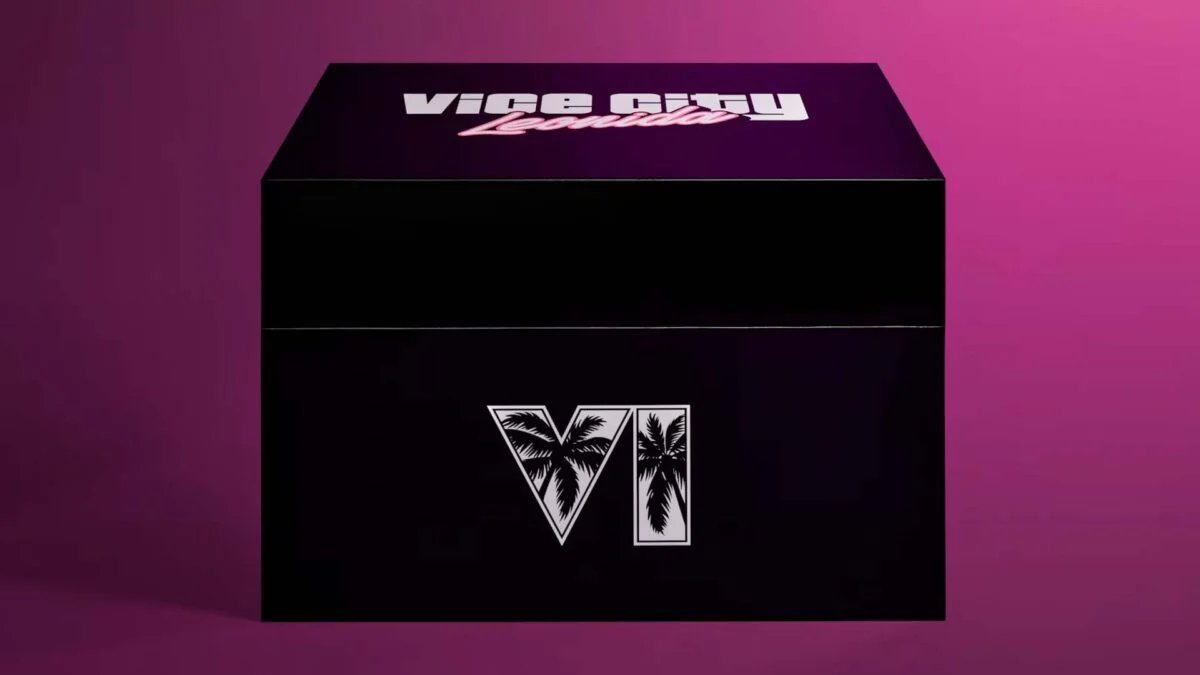
The landscape of video game marketing has shifted significantly over the past decade. As digital-first distribution becomes the standard, the physical presence of a title—once defined by discs, manuals, and fold-out maps—is being replaced by premium physical merchandise bundles. Rockstar Games is leaning into this trend with the announcement of the Grand Theft Auto VI: The Goodtime State – Vice City Collection. This move highlights a strategy centered on high-end lifestyle products that capitalize on the intellectual property of the Vice City setting, rather than traditional collector’s editions that typically include the software itself.
The collection, priced at $400, represents a significant departure from standard industry pricing models. By decoupling the hardware or software from the merchandise, the company is targeting the superfan demographic that values brand immersion over bundled utility. This release arrives in anticipation of the November 19 launch of Grand Theft Auto VI, providing a tangible way for players to interact with the environment of Leonida before the game is even accessible.
An In-Depth Breakdown of the Collection
The Vice City Collection is an expansive assortment of items, most of which are derived from in-universe fictional media. The central theme revolves around Macca the Gator, a television property native to the world of the upcoming game. The full inventory list includes a specialized figure of Macca the Gator, branded Oakley Frogskins sunglasses, a Leonida Keys crossbody bag, and a New Era 9FORTY snapback hat.
Functionality is integrated into several items, such as the Macca the Gator magnetic mirror, a Chunkee the Manatee shot glass, and a collectible swizzle spoon. For collectors who prioritize iconography, the box also contains a Vice City razor blade keychain and an enamel pin set housed in a specialized metal tin. Rounding out the pack are a sticker set and, perhaps most importantly for long-time series enthusiasts, a double-sided souvenir poster featuring a detailed map of Leonida. This inclusion of a physical map is particularly notable, as modern game releases have largely abandoned the practice of including printed world guides in standard editions.
The Strategy Behind the Digital-Only Shift
The existence of this collection underscores a growing irony within the gaming industry. Grand Theft Auto VI has been confirmed as a title that will not receive a physical disc release, forcing users to rely entirely on digital storefronts and cloud-based authentication. Despite the absence of a physical disc, the demand for physical keepsakes remains high. By selling a $400 box of merchandise alongside custom hardware like limited-edition PlayStation 5 controllers, the publisher is effectively replacing the traditional “game-in-a-box” model with a “lifestyle-in-a-box” model.
This strategy serves two purposes. First, it mitigates the overhead costs associated with the logistics of physical software distribution, which involves manufacturing discs and global shipping. Second, it creates an entirely separate revenue stream that is not tied to the software development cycle. Once the consumer has purchased the digital game license, they are essentially invited to spend additional capital on high-quality manufacturing of branded goods, which carry higher profit margins than software titles.
The Role of In-Game Lore in Marketing
Much of the value in the Vice City Collection is derived from the consumer’s curiosity regarding the fictional world of Leonida. Rockstar Games has consistently used in-game media—such as television shows, radio commercials, and branded clothing—to build a sense of place. By bringing items like the Macca the Gator figure or the Chunkee the Manatee shot glass into the real world, the publisher is effectively treating the game’s lore as a lifestyle brand.
For players, this creates a unique psychological link. When a fan sits down to play on November 19, their environment is filled with physical artifacts that exist within the digital world they are exploring. It blurs the line between the virtual experience and tangible reality, turning the player into a participant in the marketing ecosystem. However, this relies heavily on the quality and humor of the in-game shows; if the content—like the referenced Macca the Gator show—resonates with the audience, the merchandise gains secondary value as a piece of pop culture history.
Impact on Future Game Launches
As other major publishers observe this shift, the Vice City Collection may serve as a blueprint for the future of AAA game marketing. The era of the “Collector’s Edition” that includes an art book and a plastic statue is evolving into a more curated, fashion-oriented approach. By partnering with established, reputable brands like Oakley and New Era, Rockstar is positioning their merchandise as legitimate apparel rather than mere gaming trinkets.
This transition places a higher premium on brand aesthetics over simple utility. The impact on the consumer is a higher cost of entry for those wanting a physical connection to the game. With the software becoming an ephemeral digital entity, fans are left to decide whether their attachment to a franchise justifies the investment in high-end, real-world merchandise. As November 19 approaches, the market will reveal if the appetite for these premium bundles can sustain the trajectory set by the Vice City Collection, potentially resetting expectations for what constitutes a “complete” gaming experience in the digital age.
Disclaimer: This content is auto-generated for informational purposes only.
Source: Read Original News