






The Evolution of Automated Assistance: Introducing Call for Me
Google has consistently sought to bridge the gap between digital convenience and real-world utility through its Pixel hardware line. With the launch of the Pixel 11 series, the company is taking a significant stride forward by introducing “Call for Me,” a feature powered by Gemini Intelligence designed to manage routine telephone interactions. This new tool represents a sophisticated iteration of earlier concepts like Google Duplex, transforming how users interact with businesses over the phone. By delegating mundane tasks such as confirming reservations or checking stock availability, Pixel 11 users can reclaim time that would otherwise be spent navigating hold queues or repeating basic information to automated systems.
How Call for Me Operates in Real-Time
The core functionality of Call for Me relies on the integration of Gemini Intelligence directly into the Phone by Google application. When a user requests a task—such as rescheduling a haircut or inquiring about a specific hardware part—the AI takes control of the outbound communication. Unlike traditional automation that follows rigid scripts, the Gemini-driven assistant is designed to handle fluid, natural conversations.
Upon initiating a request, the user remains in the driver’s seat. The Pixel 11 provides a live, real-time transcript of the entire interaction, allowing the user to monitor the progression of the call as it happens. If at any point the conversation requires a human touch or the AI encounters a scenario it cannot navigate, the user can seamlessly take over the call. This design ensures that the AI functions as a collaborative agent rather than a black-box system, providing transparency throughout the transaction.
Technical Architecture and User Control
Google emphasizes that Call for Me is built upon a foundation of trust and explicit user control. Because the AI is tasked with speaking on behalf of the user, the system is engineered to introduce itself clearly to the recipient, ensuring that the business or person on the other end is aware they are interacting with an automated assistant. This transparency is a key technical and ethical safeguard intended to maintain the integrity of business-to-consumer communications.
The underlying infrastructure handles the complexities of modern telephony, including navigating automated phone menus and the often-frustrating experience of waiting on hold. By utilizing advanced speech processing and natural language understanding, the assistant can identify when a human agent has picked up the line and proceed with the specific inquiry provided by the user. The system is designed to act as an extension of the individual, treating every request as a legitimate transaction from a real customer.
Use-Cases for Modern Life
The practical applications for this technology are broad, targeting the friction points of modern scheduling and commerce. For instance, a user might need to reserve patio seating at a busy restaurant during peak hours. Instead of the user dialing, navigating the IVR (Interactive Voice Response) system, and waiting for an available host, the Pixel 11 handles the process in the background. Similarly, checking if a local shop has a specific item in stock becomes an automated query, removing the need for the user to make multiple phone calls manually.
These capabilities are particularly useful for busy professionals or those managing complex schedules who need to move appointments, such as rescheduling a service for a later date. By shifting these routine burdens to the device, users can optimize their daily workflows, delegating tedious coordination to their hardware.
Rollout Strategy and Availability
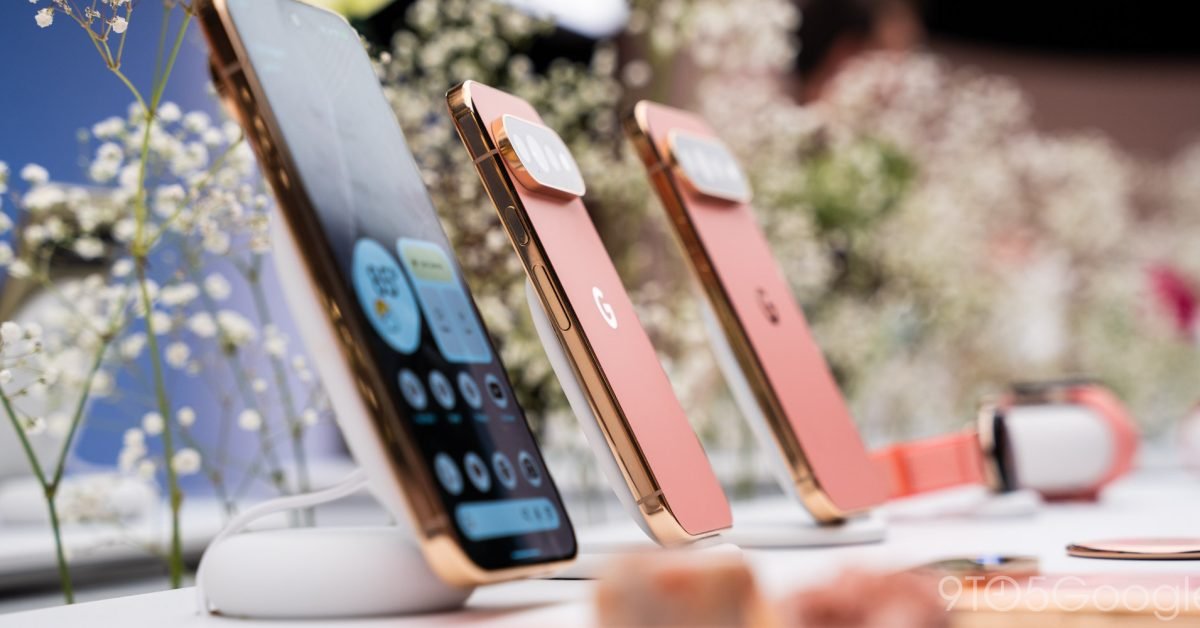
Google is adopting a methodical approach to the release of this technology, acknowledging the complexities of voice-based AI. The feature is currently available as an early preview exclusively for Gemini subscribers who are enrolled in the Phone by Google beta program. This rollout is specifically limited to the United States and encompasses the entire Pixel 11 range: the Pixel 11, 11 Pro, 11 Pro XL, and 11 Pro Fold.
By restricting access to a beta environment, Google aims to gather data on how the AI interacts with a wide variety of real-world business scenarios, refining the natural language models to ensure high success rates. This phased deployment strategy reflects a commitment to service quality, ensuring that when the feature eventually sees a wider release, it will provide a reliable, predictable, and professional experience for both the Pixel user and the recipient of the call.
The Future of Device-Led Communication
The introduction of Call for Me serves as a milestone in the integration of on-device AI. By moving beyond static assistance and into the realm of active, conversational participation in the real world, the Pixel 11 series redefines what is expected of a smartphone. As these models evolve, the line between software and assistant continues to blur, suggesting a future where devices do not just provide information, but actively execute tasks to improve the quality of life for their users. As the early preview continues, the success of Call for Me will likely depend on its accuracy, the speed of its interactions, and its continued ability to foster trust between the automated assistant and the human agents it contacts.
Disclaimer: This content is auto-generated for informational purposes only.
Source: Read Original News