






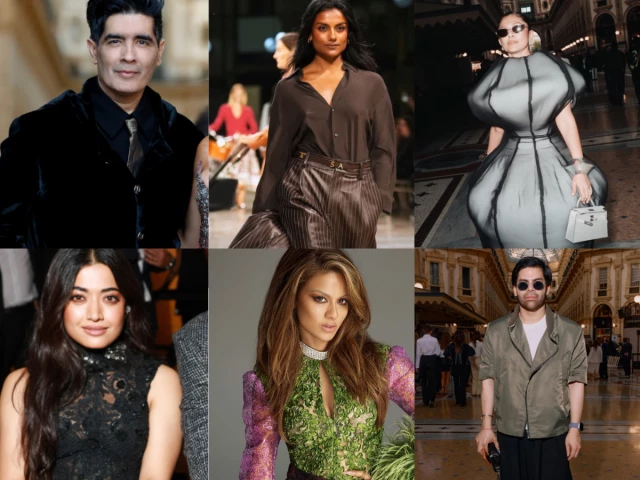
The landscape of global fashion is undergoing a profound transformation. If you look at the front rows of major runway shows or the pages of influential magazines, you will notice a shift that feels both overdue and incredibly exciting. South Asian influence is no longer sitting on the sidelines; it is center stage, driving the conversation about what luxury and personal style look like in the modern world.
This isn’t just about a few famous faces popping up on Instagram. It is about a fundamental change in who gets to define beauty, craft, and couture. From the meticulous embroidery of veteran designers to the bold, experimental choices of new-age talent, this era of representation is multifaceted. It is no longer just about traditional aesthetics—it is about a global, fluid approach to identity that fits perfectly into the fast-paced nature of modern life.
The Global Language of Craft
When we think about the evolution of Indian fashion, the name Manish Malhotra often leads the pack. He has successfully bridged the gap between the glitz of cinema and the precision of haute couture. His recent debut on the Paris Haute Couture Week calendar was a turning point. It proved that traditional techniques like zardozi and delicate hand embroidery do not have to be relegated to wedding ceremonies or historical archives. Instead, they can be woven into the fabric of international luxury. For anyone interested in style, this teaches us a valuable lesson: heritage and innovation are not enemies. You can appreciate your roots while pushing your personal aesthetic toward something entirely new and contemporary.
Breaking Barriers and Borders
Modern style is increasingly about how we navigate different spaces. Consider figures like Rashmika Mandanna, who embodies the power of being multilingual and multi-regional. In an age where digital platforms allow us to consume culture from anywhere, her presence reflects a world where you don’t have to choose between being local or global. You can be both. This is a practical takeaway for your own closet: don’t feel restricted by a single look or influence. Mixing elements from different cultures is a hallmark of a well-traveled, thoughtful wardrobe. When you embrace a diverse range of inspirations, your personal style becomes more layered and authentic.
Redefining Representation on Screen
Simone Ashley has become a vital symbol of this shift, especially for those watching how media influences our daily habits. Her work on screen has brought Indian identity into the mainstream of Western popular culture, proving that there is no single box for how a person should look or dress. She shows us that you can occupy space in high-fashion campaigns while staying true to your background. For anyone seeking to feel more represented in the clothing they buy or the trends they follow, the message is clear: the industry is finally waking up to the reality that a diverse audience wants to see themselves reflected in the brands they support.
Curating a Personal Aesthetic
If you look at the experimental choices of tastemakers like Natasha Poonawalla or the fresh, forward-thinking silhouettes of designers like Dhruv Kapoor, you see that style is a form of self-expression rather than a set of rules. Poonawalla, for instance, often blends heritage textiles with cutting-edge cuts. It is a masterclass in how to stay grounded while remaining bold.
For the average person, this is an invitation to experiment. You don’t need to be at the Met Gala to mix a vintage piece with a modern item. Take that heirloom accessory your grandmother gave you and pair it with a sleek, minimalist outfit. That tension between the old and the new is exactly where the most interesting outfits are born.
An Ecosystem of Creativity
Perhaps the most heartening part of this shift is the rise of emerging voices like Jaya Raheja. Fashion is now an ecosystem where veterans and newcomers learn from one another. This tells us that the future of style isn’t being dictated by a small group of gatekeepers anymore. It is being shaped by a community that values different viewpoints and experiences.
As we move forward, take inspiration from this changing landscape. Don’t feel pressured to stick to one specific trend or look. The best way to engage with the current fashion climate is to be curious, stay open to different cultural influences, and always prioritize your own unique voice. Representation matters, but it also provides us with a richer palette to draw from when we get dressed every morning. Whether you are incorporating traditional craftsmanship into your daily rotation or simply supporting designers who challenge the status quo, you are participating in a movement that makes the world of style a much more interesting place to be.
Disclaimer: This content is auto-generated for informational purposes only.
Source: Read Original News