







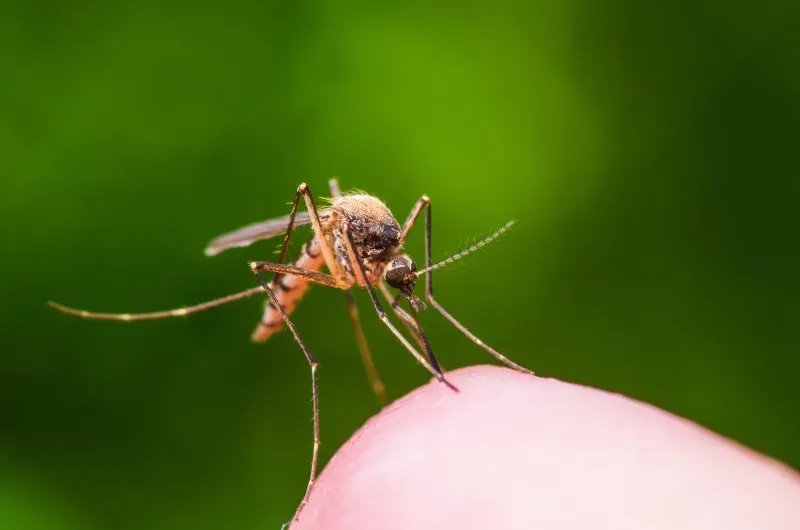
TAMPA, Fla. — A team of researchers at USF Health has announced a landmark discovery that could fundamentally alter the global fight against malaria. In a study published this week, scientists identified a critical genetic vulnerability within Plasmodium vivax, a malaria parasite responsible for millions of infections annually across Central and South America, as well as Southeast Asia.
Plasmodium vivax has long been considered one of the most difficult malaria strains to eradicate. Unlike other forms of the disease, this parasite possesses the unique ability to lie dormant in a patient’s liver for months or even years, triggering debilitating relapses long after the initial infection has been treated. This “hidden” stage has historically hindered public health efforts, as patients often believe they have recovered, only to be struck down by the disease again when the parasite reactivates.
The USF Health research team, led by a group of molecular biologists and parasitologists, utilized advanced gene-editing tools and high-resolution imaging to map the parasite’s life cycle at a cellular level. During their investigation, they discovered a specific protein pathway that the parasite relies upon to successfully survive the transition from the bloodstream into the liver’s dormant state. By disrupting this pathway in laboratory models, the researchers were able to effectively prevent the parasite from establishing its “hideout,” rendering it vulnerable to standard medical interventions.
“This is a significant breakthrough because we are no longer just reacting to the symptoms of the disease; we are identifying the Achilles’ heel of the parasite’s survival mechanism,” said the project’s lead investigator. “By targeting this specific vulnerability, we believe we can develop new drug therapies that prevent the parasite from entering its dormant phase entirely. This would change the clinical approach to malaria from a cycle of recurring treatments to a potential one-time cure.”
The implications for global health are profound. Plasmodium vivax accounts for a vast majority of malaria cases in the Americas and remains a primary health challenge throughout the Asia-Pacific region. Current treatments often require a 14-day course of medication to flush the liver of dormant parasites, but many patients struggle to adhere to such long regimens, leading to drug resistance and further outbreaks. A shorter, more effective treatment targeting this newly discovered protein could dramatically improve patient compliance and reduce the overall transmission rate of the disease.
While the research is currently in the pre-clinical phase, the team is already working with international pharmaceutical partners to begin the development of inhibitors designed to strike this vulnerability. If successful in human trials, the discovery could serve as a primary tool in the World Health Organization’s ongoing mission to eliminate malaria in high-burden nations. For now, the scientific community is hailing the USF Health findings as a critical step toward a world finally free from the burden of chronic, relapsing malaria.
Disclaimer: This content is auto-generated for informational purposes only.
Source: Read Original News