







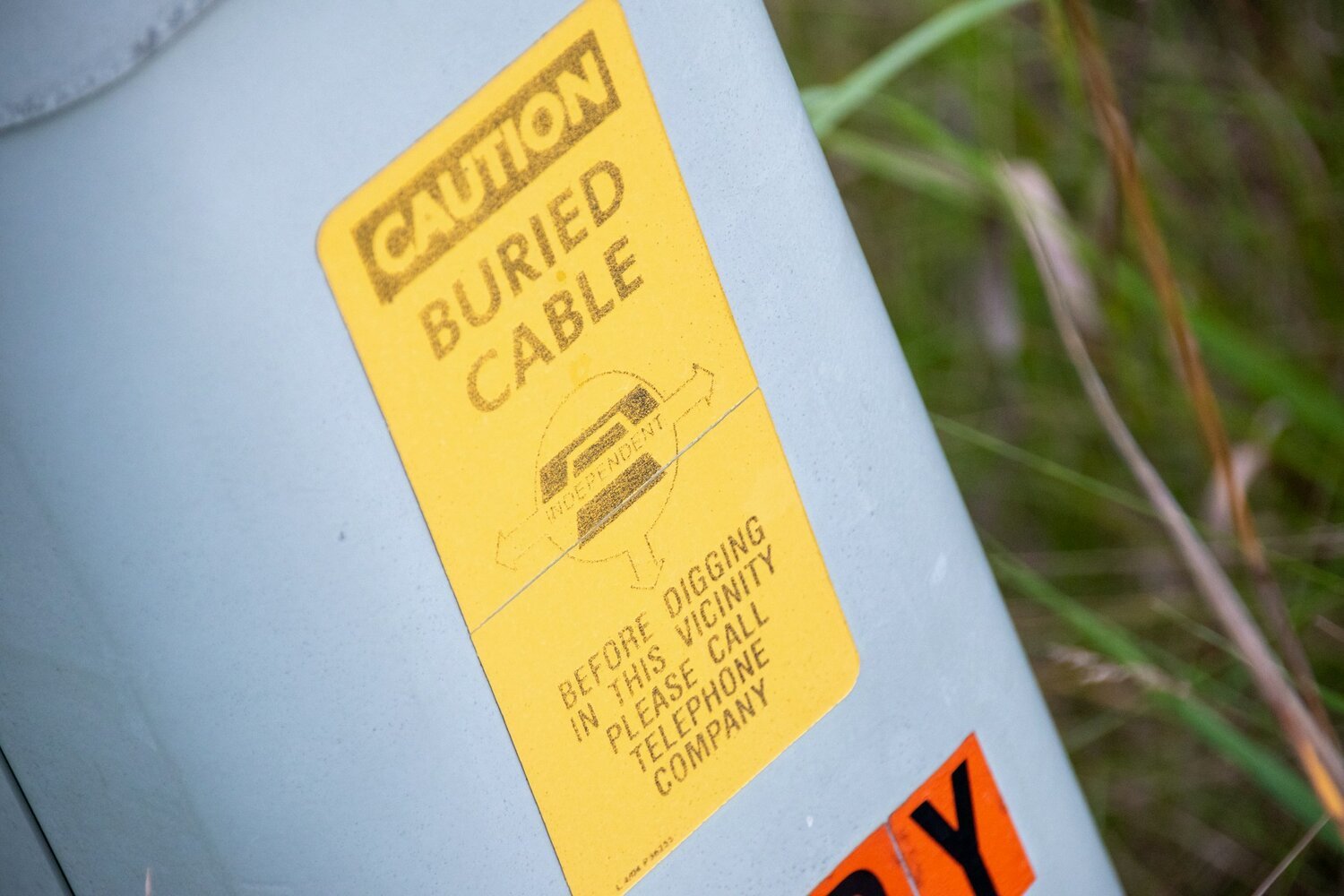
A severed gas line, a snapped fiber optic cable, or a breached water main is often dismissed as a localized construction headache. However, a new analysis from the Common Ground Alliance (CGA) reveals that the financial ripples of these incidents extend far beyond the immediate repair site, imposing a staggering $83.2 billion in annual economic costs across the United States.
The CGA’s findings challenge the traditional way infrastructure stakeholders—including utility operators, contractors, and regulators—evaluate excavation risk. According to the report, direct infrastructure repairs account for a mere 5.9% of the total economic impact, or roughly $4.9 billion. The overwhelming majority of the financial burden is tied to the secondary, often invisible, consequences of utility damage.
These indirect costs encompass a wide range of operational and societal disruptions. Delayed construction schedules, lost business activity, emergency response deployments, road closures, and prolonged service interruptions for power, water, and communications drive the lion’s share of the $83.2 billion estimate.
Breaking down the national figures, the CGA attributes $32.6 billion to community and environmental impacts, while another $31.6 billion is lost to broad business and economic disruption. Additionally, operational response costs total $7.8 billion, with human impacts—including injuries and fatalities—accounting for an estimated $6.2 billion.
“The largest share of the modeled cost also comes from incidents that may receive little public attention,” the analysis notes. Moderate-severity damages, which rarely make headlines, are responsible for $64.5 billion of the total, underscoring that the cumulative impact of frequent, smaller strikes is more damaging to the national economy than rare, high-profile disasters.
Geography plays a critical role in the severity of these incidents. Urban environments account for $77.9 billion of the total economic impact. Because cities host dense concentrations of interconnected infrastructure, workers, and businesses, a single utility strike can trigger cascading failures that paralyze commercial districts and disrupt services for thousands of citizens simultaneously. Florida serves as a primary example of this risk, where the state faces roughly 26,000 underground utility damage incidents annually—a rate of approximately 71 strikes per day.
To provide more granular insight, the CGA has applied its economic-impact model to state-level data collected from its Damage Information Reporting Tool (DIRT) throughout 2025. While these state-level figures provide a vital window into localized risk, the CGA cautions that they are conservative, as reporting remains voluntary and practices vary by jurisdiction.
For companies managing infrastructure projects, these findings represent a shift in how to calculate the return on investment for damage-prevention initiatives. Often, safety measures—such as improved locating technology, better infrastructure mapping, and rigorous staff training—are measured only against the cost of a repair invoice. The CGA’s data suggests that this narrow view significantly underestimates the value of prevention.
When contractors account for project delays, productivity losses, and the potential for multi-million dollar community disruptions, the case for proactive damage prevention becomes clear. There is empirical evidence that these efforts work: excavators participating in the CGA’s Damage Prevention Institute reduced their attributable damage rates by more than 11% between 2023 and 2025.
As infrastructure development accelerates across the country, the CGA’s analysis serves as a call to action for the industry to move beyond viewing utility strikes as simple maintenance issues. Instead, they must be managed as significant operational and economic risks. By accurately accounting for the full cost of these incidents, stakeholders can better justify the investments necessary to secure the foundational networks that keep the economy running.
Disclaimer: This content is auto-generated for informational purposes only.
Source: Read Original News