







Understanding the Rapid Release Cycle of Android 17 QPR2
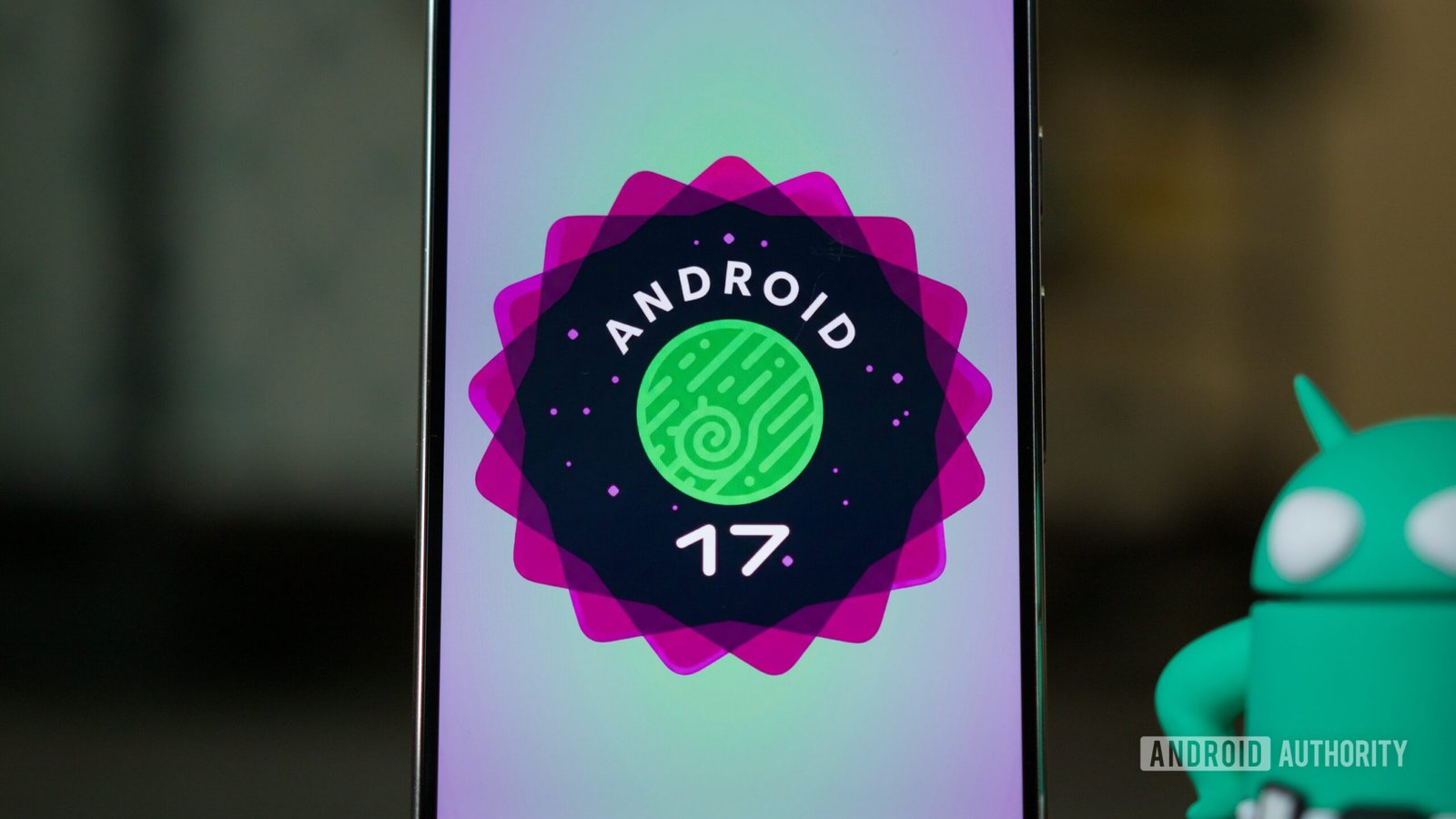
The evolution of the Android operating system has shifted into a highly accelerated development cycle. Google’s Quarterly Platform Release (QPR) program serves as the testing ground for this rapid iteration, allowing developers and enthusiasts to engage with features long before they hit the stable, general-consumer market. The release of Android 17 QPR2 Beta 6, arriving barely a week after its predecessor, marks a significant departure from the traditional two-week cadence. This shortened duration indicates that the development team is focused on stabilizing the codebase, addressing critical bugs, and fine-tuning the system architecture for an imminent public rollout.
For the end user, this pace provides a front-row seat to the refining process of the Android 17 ecosystem. While many casual users prefer the stability of public builds, the QPR program is essential for developers who need to ensure their applications are compatible with upcoming API adjustments and system behaviors. By pushing Beta 6 so soon after Beta 5, Google is signaling a prioritization of system integrity and performance, ensuring that the final QPR2 launch is as seamless as possible for millions of global users.
Technical Refinements and Performance Impact
Beta 6 is primarily a stability-focused maintenance release, centering on the elimination of lingering technical debt identified in the previous testing phases. The build, identified as CP41.260831.007, addresses several high-priority issues that were reported by the testing community. These updates typically encompass improvements to memory management, kernel stability, and the optimization of power consumption routines.
One of the primary objectives of this release is the reduction of anomalous system crashes that were observed when toggling hardware-dependent features. Additionally, the development team has focused on smoothing out UI frame drops that occurred during high-intensity multitasking scenarios. For power users, these granular changes are noticeable. Improved background process efficiency often leads to better battery life, as the operating system becomes more adept at managing resources without constant wake-locks. The technical impact of these updates cannot be overstated; they represent the final stage of hardening the OS, transforming experimental code into a polished, production-ready product.
The Current State of Device Compatibility
A noteworthy aspect of this release is the temporary exclusion of the newly launched Pixel 11 series. While Pixel 11 hardware was supported during the Beta 5 lifecycle, Beta 6 is currently capped at the Pixel 10 lineup. This shift has prompted questions from the enthusiast community regarding the future of device support within the beta program.
Google has confirmed that this gap in coverage is strictly temporal rather than permanent. The engineering team is currently working to integrate the specific hardware abstraction layers required for the Pixel 11 series into the latest stable development branch. This separation of build streams is common in complex software development environments, where high-end hardware may require specialized driver optimizations that are not yet compatible with the unified QPR2 source code. Users of newer hardware can expect a subsequent update in the near future that will align their devices with the current beta progress, ensuring that no segment of the Pixel family remains behind for extended periods.
Engagement and Risk Management in Beta Testing
Participating in the Android Beta for Pixel program is a calculated decision that balances access against stability. As with any early-stage software, users should anticipate potential instability, including application incompatibilities or unexpected reboots. The requirement to back up data before flashing a new build remains the most critical rule for anyone involved in this process. Because these versions are essentially pre-release snapshots, they are not intended for use on primary devices where reliability is paramount.
The program serves as a critical feedback loop for Google. By providing early access, the company leverages the collective expertise of its user base to identify edge-case bugs that might not appear in controlled laboratory environments. For those who choose to join the program, the process is streamlined: registering a device via the official portal triggers an over-the-air update. However, users should remain cognizant that exiting the beta program typically requires a full device factory reset, which will wipe all local data. This high barrier to entry ensures that participants are generally experienced users who understand the implications of installing pre-production firmware.
Looking Toward the Future of Android 17
The swift progression to Beta 6 suggests that the full release of QPR2 is approaching rapidly. As the feature set locks in, the focus shifts entirely toward optimization and long-term compatibility. This phase of development provides a clear indication of how Google intends to support its hardware ecosystem for the remainder of the year. The improvements implemented throughout this beta sequence will likely serve as the foundation for future Android iterations, including enhancements to security protocols and the refinement of integration between hardware and software.
As we wait for the upcoming builds that will restore Pixel 11 support, the broader takeaway from this development cycle is the increased agility of the Android platform. By compressing the testing window, Google is shortening the time between feature conceptualization and deployment, ensuring that users benefit from performance upgrades without waiting for an annual major version update. This shift underscores a broader trend in mobile technology: the transition of operating systems from static annual milestones to fluid, constantly evolving service layers. Whether for developers debugging their apps or enthusiasts seeking the newest features, the Android 17 QPR2 track remains a vital component of the modern mobile experience.
Disclaimer: This content is auto-generated for informational purposes only.
Source: Read Original News