








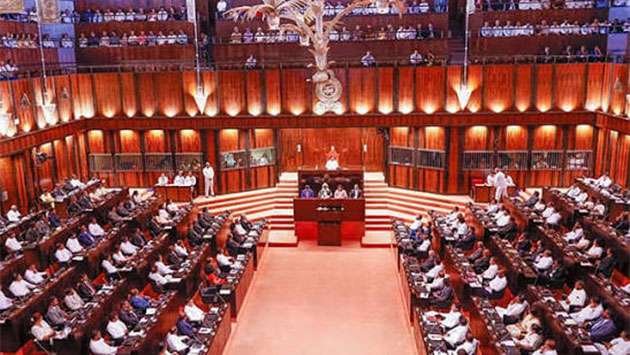
COLOMBO — The National People’s Power (NPP) government has signaled a major shift in its legislative agenda, announcing plans to initiate the drafting of a brand-new Constitution immediately following the enactment of the 22nd Amendment to the Constitution. This development marks a pivotal moment in the administration’s strategy to overhaul the country’s governance framework.
Government spokespersons confirmed that while the 22nd Amendment—which focuses on essential constitutional reforms related to executive powers and governance accountability—remains the immediate priority, it is viewed as a transitional step. The NPP leadership has long maintained that piecemeal amendments are insufficient to address the deep-seated structural issues within the current legal system. By moving toward a new Constitution, the government aims to replace the existing framework, which has been subject to over two dozen amendments since its inception in 1978.
Political analysts suggest that this announcement underscores the NPP’s commitment to its campaign promise of systemic change. The proposed constitutional rewrite is expected to address critical areas including the abolition of the executive presidency, the strengthening of independent commissions, and the devolution of power to ensure better regional representation.
“The 22nd Amendment is a necessary bridge,” a senior government source stated. “It allows us to stabilize the current governance structure while we undertake the rigorous and inclusive process of drafting a new Constitution that reflects the contemporary aspirations of the people.”
The road to a new Constitution, however, is expected to be complex. The government will likely have to navigate significant legal and political hurdles, including the requirement for widespread public consultation and potential parliamentary debates. The NPP, which secured a strong mandate in recent elections, is reportedly preparing to establish a consultative committee to gather input from civil society, legal experts, and opposition parties.
Observers are watching closely to see how the opposition will react to this timeline. While there is broad consensus on the need for reform, the specifics of a new constitutional draft—particularly regarding the role of the executive and the electoral system—are set to be the subject of intense debate in the coming months.
The government intends to present the framework for the constitutional drafting process to the Cabinet early next month, immediately following the passage of the 22nd Amendment. The move is seen as an attempt to maintain momentum and fulfill the “system change” mandate promised to voters. As the administration shifts focus from crisis management to long-term structural reform, the move toward a new Constitution will undoubtedly become the central feature of the nation’s political discourse for the foreseeable future.
For now, all eyes are on Parliament, where the passage of the 22nd Amendment is considered the essential precursor to the broader reform agenda that the NPP government hopes will define its tenure.
Disclaimer: This content is auto-generated for informational purposes only.
Source: Read Original News