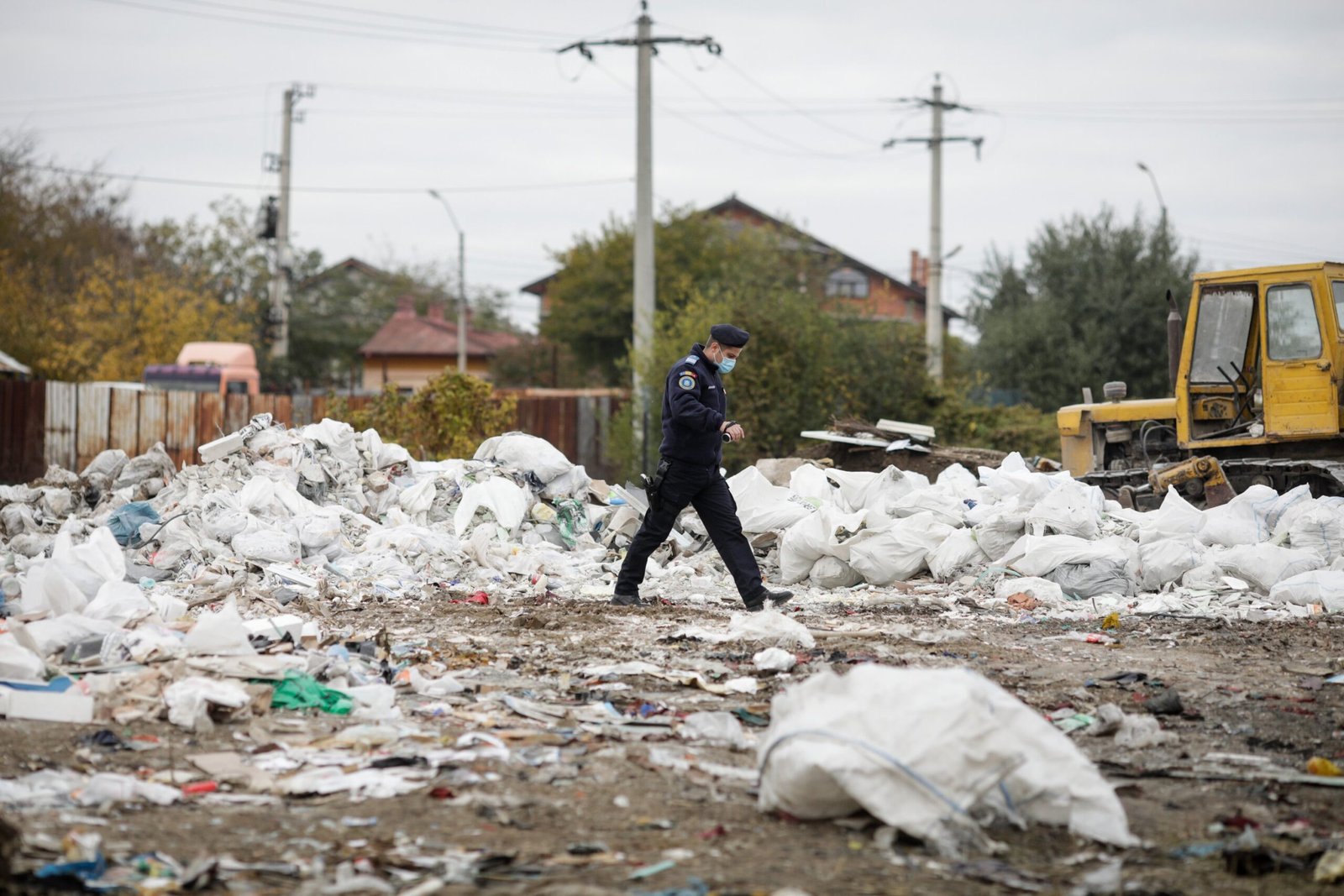









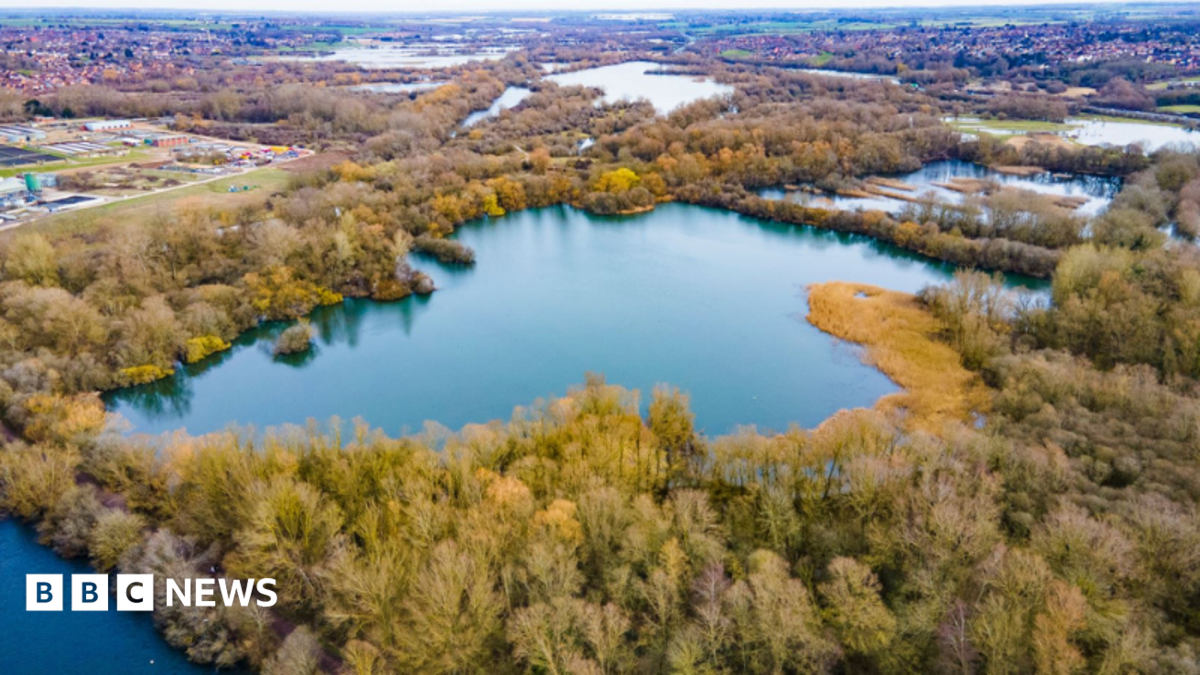
West Northamptonshire Council has officially approved its inaugural Local Nature Recovery Strategy (LNRS), marking a significant shift in how the region manages its ecological health. The move comes as the council acknowledges that the area is currently among England’s “most nature-depleted,” with existing wildlife sites often fragmented, isolated, and struggling to maintain viability.
Mandated by the Environment Act 2021, the LNRS establishes a framework for restoring biodiversity through targeted interventions such as large-scale tree planting, wetland restoration, and strategic drainage improvements. By working in partnership with landowners, environmental organizations, and the local community, the council aims to create a more interconnected network of natural habitats capable of reversing the long-term decline of local species.
The strategy arrives at a critical juncture. According to the council, the region’s natural landscapes are currently under “unprecedented pressure” from development, pollution, and climate change. Local wildlife sites have historically been small and poorly maintained, which has made it difficult for flora and fauna to migrate or thrive in a changing climate. By focusing on landscape-scale restoration, the LNRS seeks to bridge these gaps, turning isolated pockets of nature into a robust, integrated ecosystem.
A spokesperson for the council emphasized that the initiative is not merely about conservation for conservation’s sake, but about securing the essential services that a healthy environment provides to the public. “A healthy natural environment is essential for tackling climate change and wider environmental challenges,” the spokesperson noted. “The diversity of habitats and species provide essentials such as clean and plentiful water, food, clean air, productive soil, flood protection, shading and cooling, as well as benefits like space for recreation, exercise and wellbeing.”
Nigel Stansfield, the cabinet member for environment, recycling and waste, underscored the urgency of the situation. Stansfield described the strategy as a “workable” and necessary roadmap designed to “safeguard nature for generations to come.” He expressed a desire to move beyond local government action alone, aiming to inspire a collective effort across the county.
“Our aim is to create cleaner, greener spaces that meet the needs of local communities and offer them an opportunity to connect with nature,” Stansfield said. “We want to encourage organizations, landowners, and local people to take action to ensure our natural environment becomes more robust and resilient to provide the benefits we often take for granted.”
The focus on drainage and wetland restoration is particularly significant for Northamptonshire, which has faced increasing risks from flooding in recent years. Natural solutions, such as restoring wetlands and improving soil health, act as a sponge for heavy rainfall, protecting local infrastructure and agricultural land while simultaneously creating habitats for amphibians, birds, and insects.
The approval of the strategy represents a formal commitment by the council to move toward a more sustainable management of public and private land. While the success of the LNRS will depend on the participation of external partners and the availability of resources, the council maintains that this collaborative approach is the only way to reverse the current trend of biodiversity loss.
As the project enters its implementation phase, officials hope that the focus on “nature recovery” will not only result in a richer landscape for wildlife but will also provide tangible improvements in the quality of life for Northamptonshire residents, ensuring that the natural environment remains a functional and accessible asset for future generations.
Disclaimer: This content is auto-generated for informational purposes only.
Source: Read Original News