









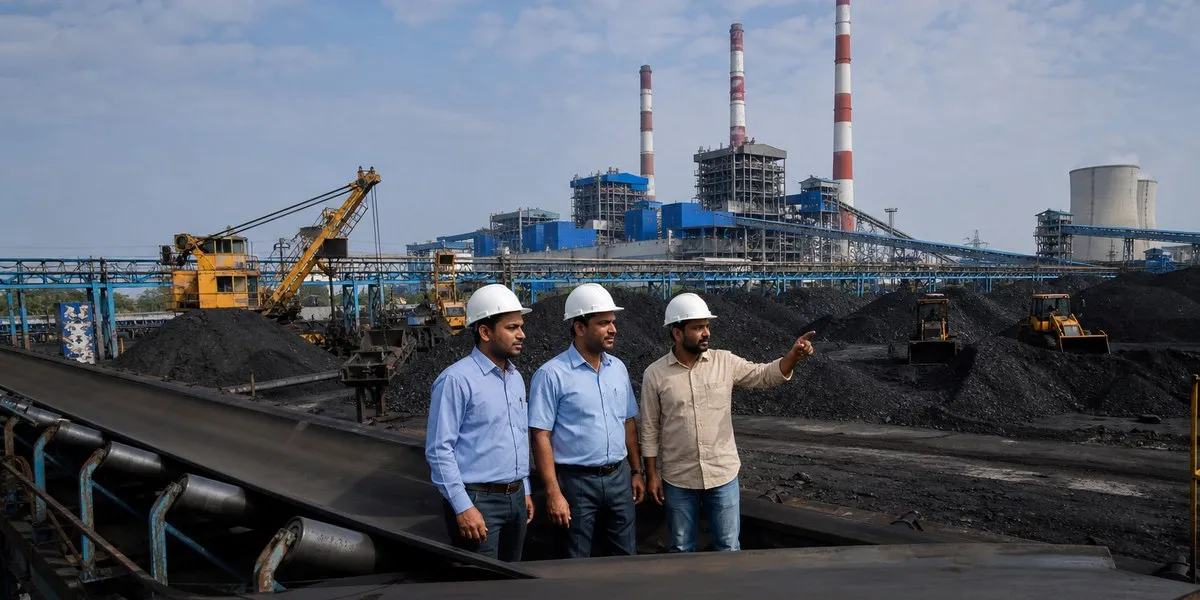
India Weighs Mandatory Imported Coal Blending as Power Plant Stocks Dip
Indian energy authorities are currently deliberating a potential policy shift that would require thermal power plants to blend imported coal with domestic fuel supplies. This move comes in response to a concerning depletion of fuel stocks at numerous power generation facilities across the country, as the government seeks to ensure uninterrupted electricity supply amid surging national demand.
If finalized, the directive would mandate that thermal power plants incorporate up to 5% imported coal into their fuel mix. While the proposal is still in the preliminary stages of discussion, industry insiders suggest it represents a significant tactical pivot. For the past two years, India has aggressively prioritized self-reliance, channeling massive investments into ramping up domestic coal production and curtailing the nation’s reliance on foreign energy imports.
Supply Chain Challenges and Declining Inventories
The sudden consideration of this policy is largely driven by logistical bottlenecks rather than a lack of raw material. While India’s overall coal production remains robust, the effective distribution of this fuel from mining hubs to power generation stations has faced mounting challenges. These transport constraints, combined with an unexpected spike in electricity consumption, have caused inventory levels to drop significantly at many plants.
Recent data paints a precarious picture for the nation’s energy grid. In the latter half of September, reports indicated that 74 coal-fired power plants were operating with critical fuel reserves—holding enough stock for less than three days of operation. This represents a sharp escalation from the previous week, where roughly 60 plants reported similarly low levels. Currently, nearly 40% of all operating coal-fired facilities in India are grappling with critically low stock thresholds, forcing government officials to look for immediate contingency measures to prevent potential blackouts.
Balancing Domestic Growth with Energy Security
The push for mandatory blending marks a departure from the government’s recent successful efforts to curb import dependence. By forcing a 5% blend, policymakers hope to create an immediate buffer for those plants struggling with local logistics.
Despite the current strain on stockpiles, the broader outlook for India’s energy sector remains growth-oriented. According to the International Energy Agency’s (IEA) “Coal Mid-Year Update 2026,” India is expected to see a significant rise in coal consumption. The IEA forecasts that the nation’s total coal demand will grow by 4.2% this year, reaching a staggering 1.353 billion tonnes. This projected increase signals a return to an upward consumption trajectory following a brief, temporary stagnation observed last year.
As the government weighs the logistics of mandating imports, the primary challenge remains balancing the need for energy security with the long-term goal of domestic self-sufficiency. For now, the administration is focused on stabilizing supply chains to ensure that the rapid growth in industrial and consumer electricity demand is met without triggering widespread power disruptions. Authorities are expected to monitor transport efficiency closely in the coming months, while a final decision on the blending mandate will likely depend on whether the domestic supply chain can resolve the ongoing distribution issues.
Disclaimer: This content is auto-generated for informational purposes only.
Source: Read Original News