








Chhattisgarh Churches Restrict Entry Amid Growing Anti-Conversion Tensions
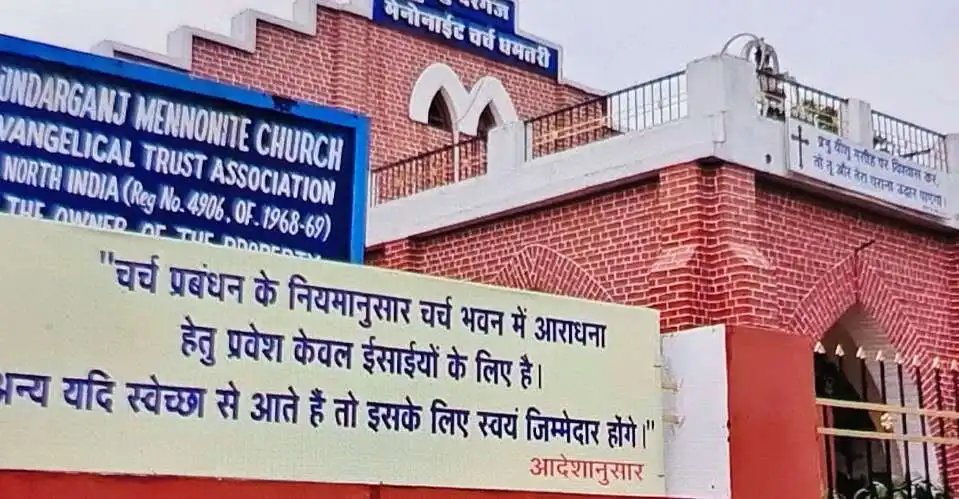
Churches across the Dhamtari district of Chhattisgarh have implemented a new policy, placing signs at their entrances that explicitly limit worship access to members of the Christian community. This move follows a period of escalating friction regarding religious conversion allegations and recurring disruptions during prayer services.
A Defensive Measure Against Legal Scrutiny
The notices, which have appeared at various sites including the historic 116-year-old Sunderganj Mennonite Church, cite management regulations as the basis for restricting entry. The signage carries a stern warning: non-Christians who choose to enter the premises do so entirely at their own risk.
Diamond Philus, general secretary of the Dhamtari District Christian Forum, clarified that the strategy is not intended to be exclusionary, but rather a protective measure. The aim, according to Philus, is to shield congregations from potential legal entanglements and volatile confrontations that have become increasingly common under the state’s rigorous new religious freedom legislation.
“We are not actively banning anyone, but if individuals choose to attend, they must be aware that they are responsible for their own actions,” Philus stated. While eight churches in Dhamtari city were among the first to adopt this policy, reports indicate that roughly 40 prayer centers across the district have now displayed similar warnings.
Climate of Suspicion Under New Legislation
The implementation of these signs coincides with the enactment of the Chhattisgarh Freedom of Religion Act, 2026, which took effect on April 7. The legislation replaced a 1968 law, introducing significantly harsher penalties for conversions deemed fraudulent or forced.
Since the new law came into force, Christian communities have reported frequent visits from Hindu nationalist groups and representatives of local tribal communities. These groups have often disrupted prayer services to interrogate pastors and congregants, accusing them of using bait—such as aid or community gatherings—to entice poor and indigenous people into converting.
The pressure has reached a point where some 1,000 congregants have felt compelled to submit formal self-declaration forms at the local district collectorate. These documents serve as sworn statements confirming that their participation in Christian worship is strictly voluntary, intended to act as a safeguard against potential accusations of forced conversion.
A Broader Context of Legal Conflict
The situation in Chhattisgarh mirrors a wider trend across India, where several states governed by the Bharatiya Janata Party (BJP) have enacted or strengthened anti-conversion laws. Critics argue that these measures are used to intimidate religious minorities, who constitute less than two percent of the state’s population of nearly 30 million.
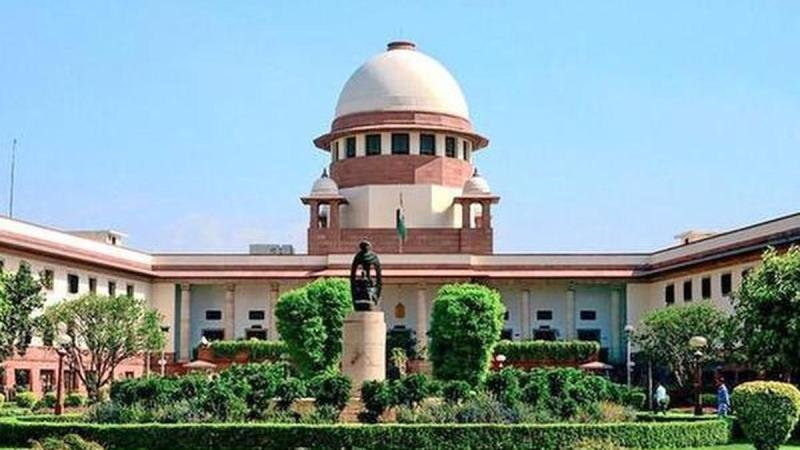
The constitutionality of these state-level laws is currently being challenged in the Supreme Court of India. Organizations such as the All India Catholic Union have filed petitions arguing that such legislation infringes upon the fundamental right to freedom of religion. As the legal battle continues in New Delhi, the atmosphere on the ground in districts like Dhamtari remains tense, with religious institutions increasingly turning to defensive posturing to navigate the evolving legal and social landscape of the state.
Disclaimer: This content is auto-generated for informational purposes only.
Source: Read Original News