







The Evolution of Martial Ka’tah Mechanics in the Adeptus Custodes
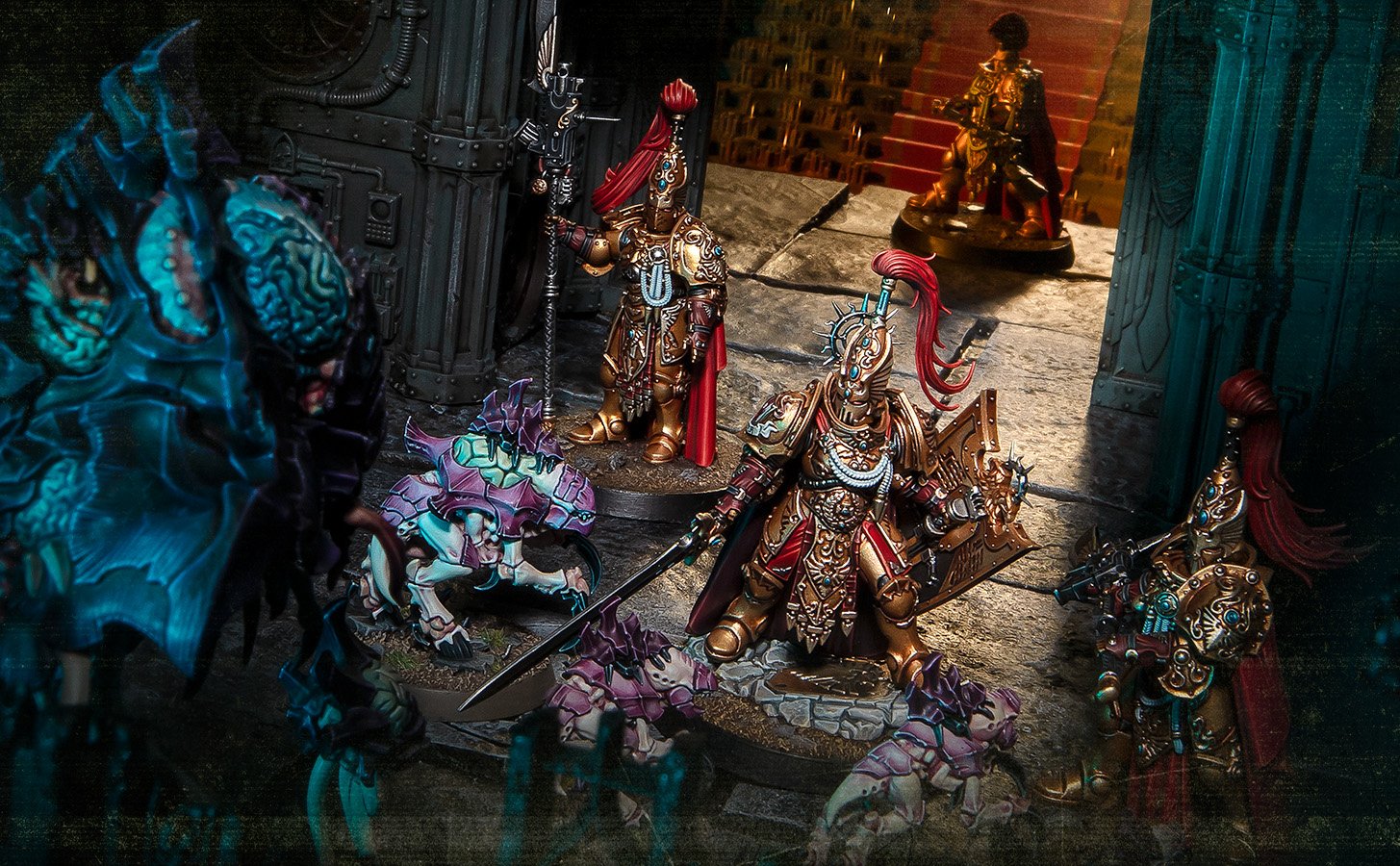
The Adeptus Custodes represent the pinnacle of post-human engineering, serving as the ultimate guardians of the Golden Throne. Within the tabletop framework of Warhammer 40,000, representing these ten-millennium-old warriors requires a ruleset that mirrors their unparalleled combat efficiency. The latest update to the Adeptus Custodes army rules introduces a refined iteration of the Martial Ka’tah system, designed to simulate the fluid, pre-programmed combat stances that define the fighting style of the Ten Thousand.
In this update, the designers have shifted the focus from static, turn-long buffs to a more reactive, tactical decision-making process. The Martial Ka’tah represents a library of combat subroutines uploaded into the Custodians’ neural networks. By selecting specific stances during the Command phase, players now orchestrate the flow of battle with greater precision, ensuring that their elite infantry can adapt to the unique defensive or offensive profiles of their adversaries. This transition highlights a move toward a more deterministic style of gameplay, where the superior skill of the Custodes is reflected in the reliability of their combat performance rather than luck-based outcomes.
Mastering Stance Selection and Tactical Flexibility
The core functionality of the new Martial Ka’tah system lies in the selection of specific combat stances. Each stance provides a distinct tactical advantage, ranging from increased defensive layering to explosive offensive output. Under the updated guidelines, a player must commit to a primary Ka’tah at the start of a turn, which dictates the performance of the entire army for that phase.
One notable improvement is the streamlined nature of these stances. The rulebook now categorizes Ka’tahs into distinct archetypes: those favoring sustained engagement and those prioritized for rapid, surgical strikes. For instance, a stance might prioritize defensive parries, granting the unit a bonus to their armor save against high-AP weaponry. Conversely, an offensive stance might allow for the re-rolling of wound rolls against heavy infantry. This depth ensures that players are not merely advancing models across the board but are actively modulating their army’s capabilities in response to the enemy’s deployment. The decision-making process is now more frequent, requiring players to anticipate both the incoming threat and the long-term positioning of their squads.
Impact on Infantry Survivability and Attrition
A critical challenge for any Adeptus Custodes player is managing a low model count while maintaining control of the board. The new rules address this by heavily weighting the Ka’tah system toward survivability. By utilizing specific stances that grant hit modifiers or defensive buffs, the Custodes can weather fire from massed infantry and specialized armor alike.
This focus on attrition-resistant mechanics creates a distinct playstyle. Because the Adeptus Custodes are numerically inferior to almost every other faction, the reliability of these martial stances becomes their primary force multiplier. When a single squad of Custodian Guard can hold a central objective against significantly larger forces due to a perfectly timed defensive Ka’tah, the faction’s narrative power as the galaxy’s greatest warriors is fully realized. This mechanical shift makes the army more resilient in protracted games, rewarding players who carefully track the cooldowns and limitations of their stances to ensure they are never caught in a vulnerable position.
Synergy with Shield-Captain Abilities
The integration of Martial Ka’tah rules with the specific leadership abilities of Shield-Captains adds another layer of complexity. Shield-Captains now act as the nexus for these combat subroutines, often providing unique modifiers that amplify the existing benefits of a selected Ka’tah. This creates a reliance on character positioning that is both rewarding and challenging.
For example, a Shield-Captain in range of a unit can trigger an additional defensive protocol or extend the effectiveness of a current stance. This synergy encourages a death-ball or supported-fireteam approach, where individual squads remain within the aura range of their leaders to maximize the impact of their Ka’tahs. This design choice prevents the army from feeling like a collection of disjointed units, forcing players to treat their detachment as a cohesive combat formation. It effectively mirrors the lore of the Custodes, who train in constant synchronization with their brothers to form a singular, unstoppable wall of gold and ceramite.
Strategic Implications for the Tabletop Meta
The introduction of these updated combat rules significantly alters the competitive landscape for Adeptus Custodes. By removing some of the randomness associated with earlier editions and replacing it with deterministic, selectable stances, the army has become more consistent. Competitive players will likely find that this consistency allows for more aggressive board control, as the risks associated with moving into enemy territory are now easier to calculate.
However, the cost of this consistency is a higher ceiling for player error. Because the Martial Ka’tah dictates the performance of the entire force for the turn, selecting the wrong stance at the wrong time can lead to a collapse in effectiveness. If a player activates an offensive stance while their units are under sustained heavy fire, the lack of defensive mitigation could lead to the loss of a key unit. This shift elevates the skill floor for the army, ensuring that veteran players can extract more performance from their models while punishing those who fail to read the tactical situation correctly. The resulting meta will favor players who possess a deep understanding of their opponent’s threat range and the ability to pivot their strategy at a moment’s notice, maintaining the Adeptus Custodes’ reputation as the supreme tactical force in the Imperium.
Disclaimer: This content is auto-generated for informational purposes only.
Source: Read Original News