







The Next Generation of Apple Hardware: Anticipating the October Refresh
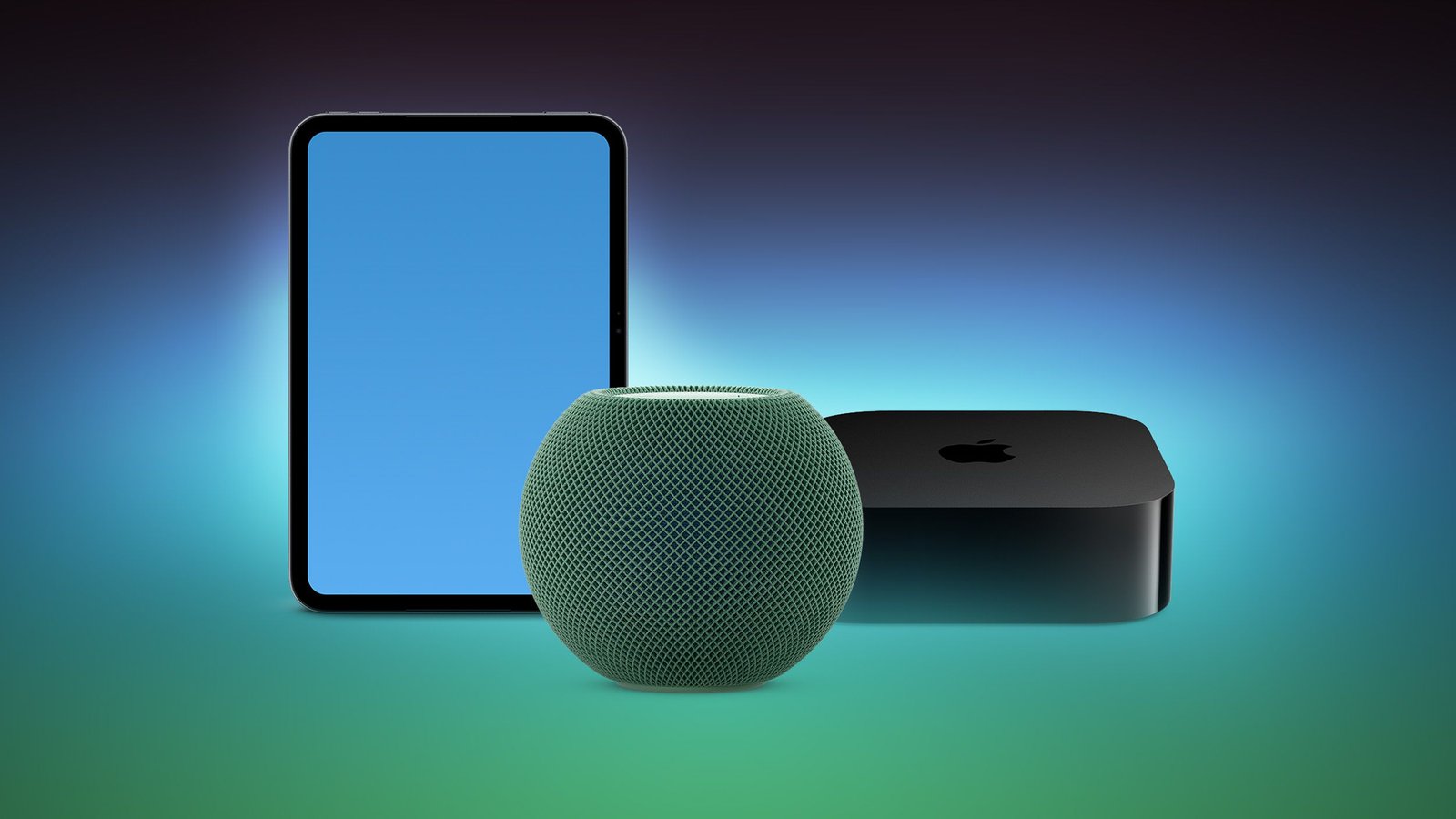
As the technology sector moves into the final quarter of 2026, industry observers are focused on a series of anticipated hardware updates from Apple. Recent disclosures involving model identifiers and internal code references point toward significant revisions for the iPad mini, the HomePod mini, and the Apple TV 4K. These updates signify a shift toward increased computational power and integration, as Apple moves to harmonize its peripheral hardware with the advanced processing requirements of modern artificial intelligence and high-fidelity media consumption.
The information suggests that these product lines are approaching their next major iteration, with a launch window likely occurring within the coming weeks. For consumers and professionals alike, these refreshes represent more than minor aesthetic changes; they indicate a strategic alignment of hardware capabilities across the mobile, smart home, and living room sectors.
iPad mini: Powering Small-Form Performance
The rumored seventh-generation iPad mini is positioned to receive the most substantial internal upgrade of the group. According to the discovered documentation, the device is slated to utilize the A20 Pro chip. Moving to the A20 Pro architecture represents a significant leap in performance, particularly for a device designed for handheld use. This transition suggests that Apple intends for the iPad mini to handle increasingly complex creative tasks, such as high-resolution photo editing, augmented reality applications, and advanced gaming, which previously required larger iPad Pro models.
Beyond the processor, the device is expected to incorporate a refined speaker design, addressing long-standing critiques regarding audio output in the compact form factor. Furthermore, the inclusion of a landscape-oriented front camera indicates a functional shift. By repositioning the camera to the long edge of the chassis, Apple is clearly designing the device for improved performance in video conferencing, catering to users who utilize the iPad mini as a primary communication tool in a landscape orientation.
Apple TV 4K: The Long-Awaited Performance Leap
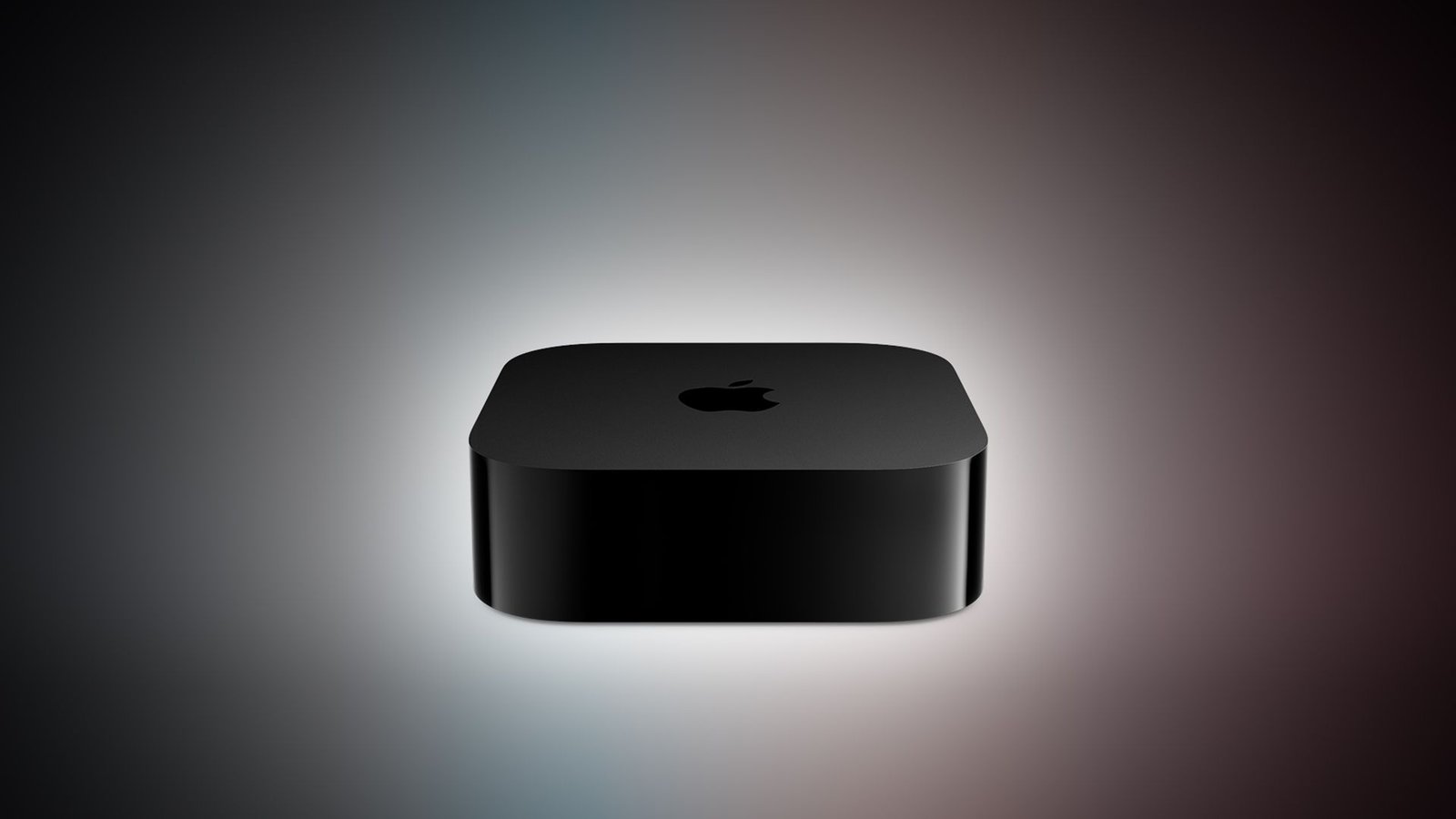
After a four-year interval since the last major refresh, the Apple TV 4K is expected to receive a substantial internal overhaul. Industry data indicates the new fourth-generation model will be powered by either the A19 or A19 Pro chip. This is a considerable upgrade from the current A15 Bionic architecture, effectively doubling the expected RAM capacity from 4GB to 8GB or possibly 12GB.
This increase in memory and processing speed serves a clear purpose: the acceleration of local machine learning tasks. As Apple continues to integrate more advanced AI-driven features into its operating systems, the Apple TV requires a higher baseline of silicon capability to manage real-time data processing without latency. This hardware jump suggests the company is preparing the platform for more demanding interactive media and more sophisticated smart home coordination, moving the device beyond a simple content streamer into a more robust home hub.
HomePod mini: Aesthetic Evolution and Strategic Consistency
While the HomePod mini is primarily a software-driven device in the context of its ecosystem, the leaks reveal an update focused on design refreshes. The addition of new color variants, such as green and pink, signals a commitment to the product’s role as an interior design element. However, the importance of the HomePod mini lies in its expanded role as an entry point for the company’s evolving smart home strategy.
The expected updates to these devices are largely believed to be centered around enhanced Siri responsiveness and deeper integration with other smart home standards. By updating the underlying components, the HomePod mini is being readied for more complex voice-processing tasks that occur on-device, prioritizing privacy by reducing the reliance on cloud-based computation. This serves as a vital component for those building a cohesive smart home environment where latency and privacy are primary considerations.
Impact on the Consumer Ecosystem
The simultaneous update of these three product lines suggests a unified push by Apple to refresh its peripheral hardware before the end of the year. The transition to the A19 and A20 series chips across different devices indicates that the company is standardizing its architecture to ensure that even its smaller, more specialized devices can benefit from the same software advancements found in its flagship smartphones and laptops.
For the end user, this consolidation means greater longevity for their devices. As applications, media streaming quality, and smart home automation become more data-intensive, the increased RAM and processing power of these new models will provide a buffer against obsolescence. This move is characteristic of a long-term strategy to ensure that the entire spectrum of Apple devices, from the small screen of the iPad mini to the living room television, remains capable of executing the company’s vision for a highly connected and intelligent home and mobile experience. With the October announcement window approaching, the tech community is watching to see how these hardware improvements translate into tangible user experiences.
Disclaimer: This content is auto-generated for informational purposes only.
Source: Read Original News