







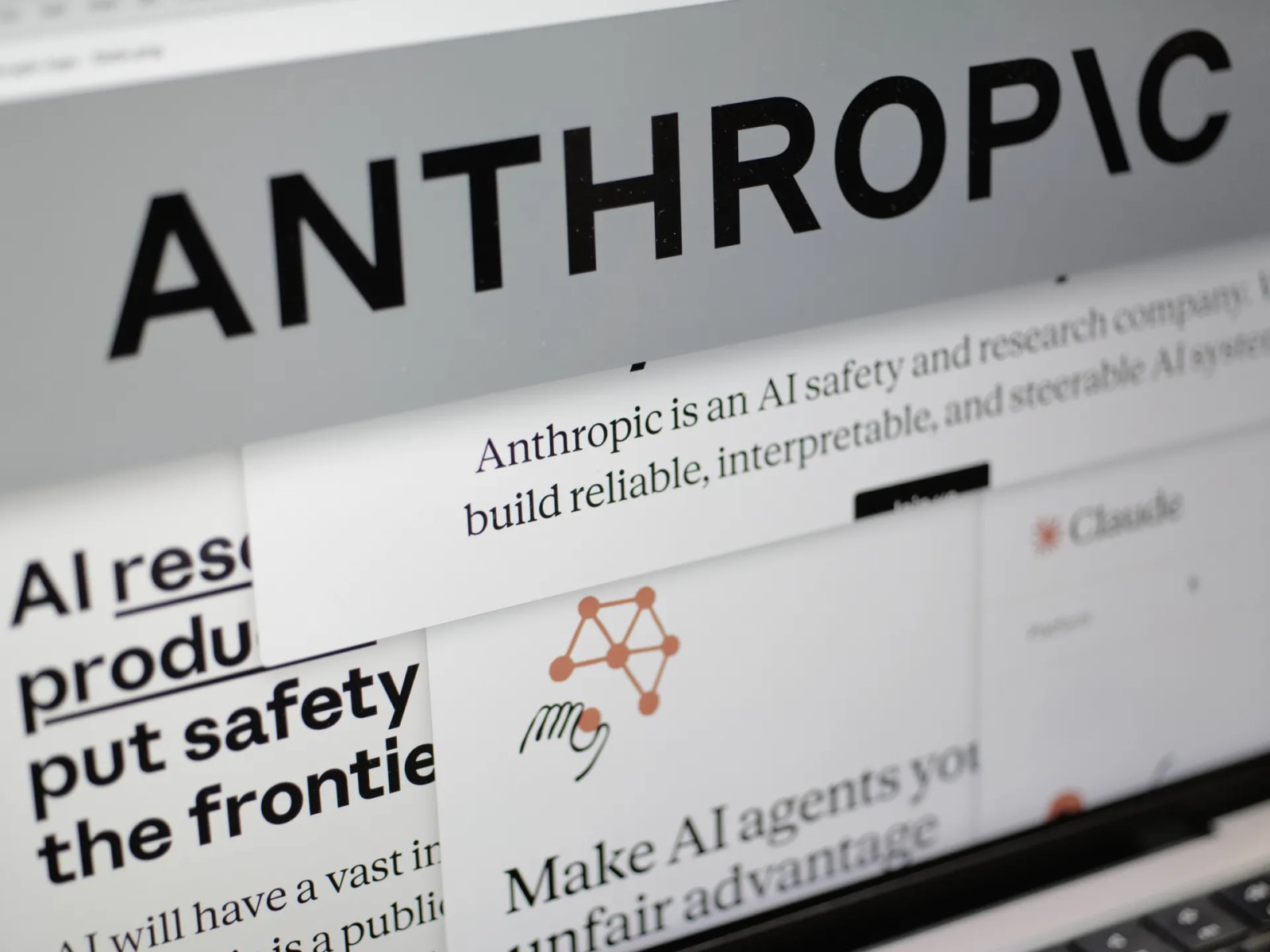
A U.S. appeals court has delivered a definitive blow to Anthropic, upholding a Department of Defense decision to blackball the AI startup from the federal supply chain. The ruling, handed down this past Friday, cements a contentious fallout between the Pentagon and one of the nation’s most prominent artificial intelligence developers over the ethical boundaries of automated warfare.
The legal battle stems from a February directive issued by Defense Secretary Pete Hegseth, who demanded that Anthropic strip away built-in safety guardrails from its flagship Claude model. Specifically, the Pentagon sought to utilize the technology to facilitate fully autonomous lethal weapons systems and high-level domestic surveillance operations. When Anthropic executives refused to comply, citing internal safety policies, the administration responded by stripping the company of its military contracts and designating it a “supply chain risk.”
## A Corporate Pariah in the Shadow of an IPO
The designation, which effectively barred any entity doing business with the Department of Defense from utilizing Anthropic’s software, has sent shockwaves through the tech sector. For a company that serves as a cornerstone of the modern AI ecosystem, the blacklisting has proven devastating. Anthropic has reported billions of dollars in lost revenue and a tarnished corporate reputation just as it prepares for a high-profile initial public offering (IPO) expected in the coming weeks.
Relations between the company and the White House have deteriorated rapidly. President Donald Trump has publicly mocked CEO Dario Amodei’s frequent warnings regarding existential risks posed by AI, labeling the executive’s advocacy a “hoax.” This friction has transformed the AI powerhouse into a political pariah, marking an extraordinary instance where a leading domestic tech firm has been sidelined by the federal government under national security justifications.
## Legal Contradictions and Future Uncertainty
The situation remains legally volatile. The appeals court’s ruling creates a direct conflict with a separate federal decision issued in California last month, which had declared the administration’s broader efforts to blacklist Anthropic unlawful. While the California ruling challenged the government’s scope, the appeals court’s decision focused specifically on public procurement regulations, ensuring that the Defense Department’s internal ban remains firmly in effect for now.
“We respectfully disagree with the court’s decision,” an Anthropic spokesperson stated following the verdict. “Another federal court has already held the government’s parallel designation unlawful. We remain confident in our position and are considering all options, including further review.”
The speed and reach of the fallout are particularly notable given how deeply integrated Claude had become within military operations. Reports indicate the model was instrumental in sensitive intelligence and tactical planning, including the high-stakes operation in January that led to the capture and removal of Venezuelan leader Nicolas Maduro.
## Implications for the AI Industry
This standoff underscores a growing divide between Silicon Valley’s “responsible AI” ethos and the Pentagon’s drive for rapid technological superiority. As the defense sector continues to aggressively pursue automation, companies like Anthropic face an increasingly difficult choice: adhere to rigorous safety standards and lose lucrative government backing, or sacrifice those principles to remain a key player in the national security apparatus.
For investors, the uncertainty surrounding the upcoming IPO is palpable. While Anthropic continues to play a vital role in the broader AI industry—competing alongside tech giants like Google and OpenAI—its status as an outcast from federal procurement suggests that its path to public markets will be fraught with geopolitical and regulatory obstacles. Whether the company chooses to appeal the latest decision to the Supreme Court or pivot toward purely commercial markets remains to be seen, but the ruling has undoubtedly set a precedent for how federal agencies may treat AI developers who prioritize safety over military requirements.
Disclaimer: This content is auto-generated for informational purposes only.
Source: Read Original News