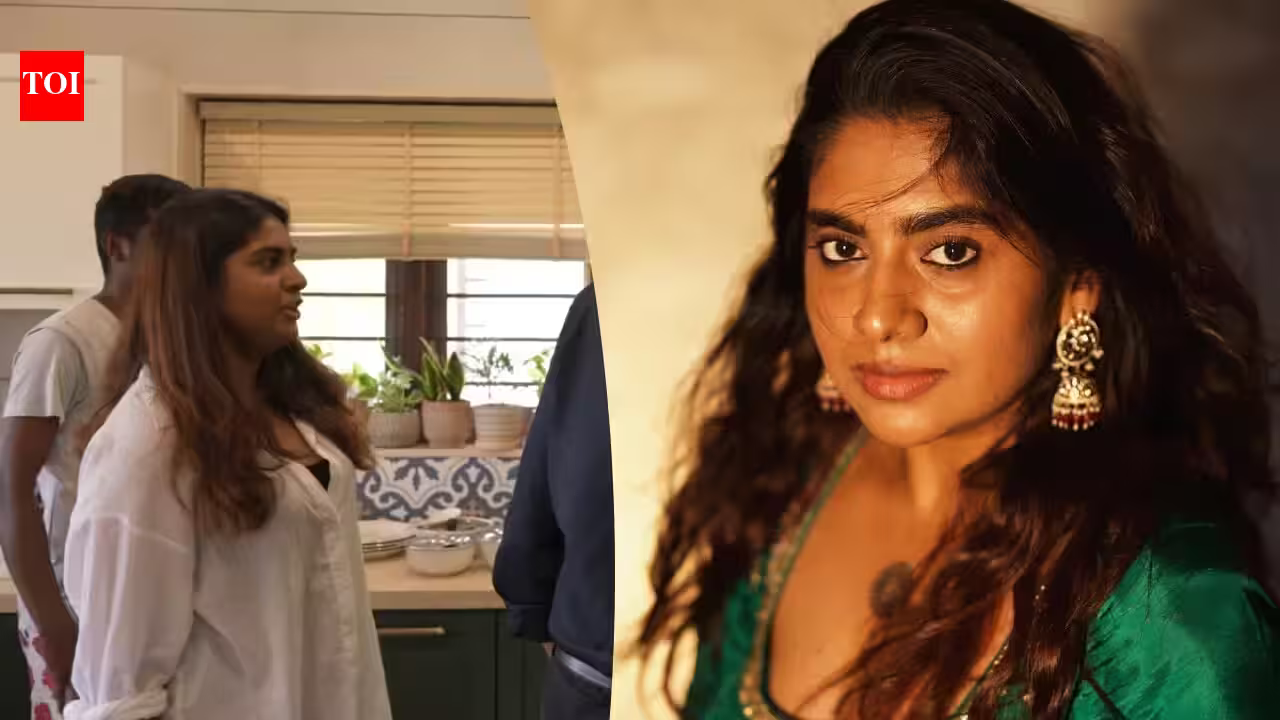







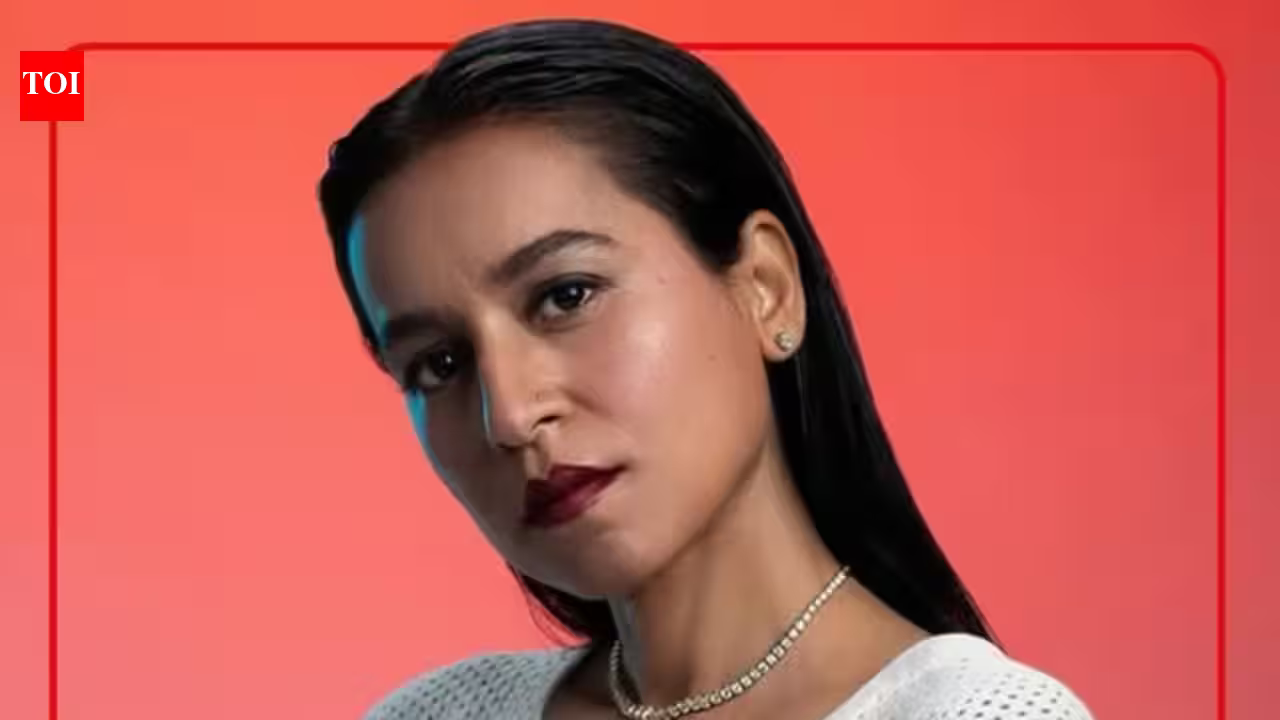
In the landscape of modern celebrity culture, social media has become a double-edged sword—a megaphone for the voices of the marginalized and a hunting ground for those eager to weaponize “concern” as a form of dismissal. Few know this better than powerhouse actress Tillotama Shome, who recently found herself locked in a sharp, necessary exchange after a candid reflection on women’s safety in Mumbai drew the ire of an internet troll.
The interaction, which unfolded on Instagram, serves as a masterclass in how women in the public eye are often expected to perform a delicate balancing act: speak up about systemic issues, but don’t be “anxious.” Express empathy, but don’t be “performative.” It is an exhausting tightrope, and Shome’s response proved she has little patience for the games being played in her comment section.
The Trigger: A Moment of Unease at a Juhu Signal
The discourse began with an innocuous but deeply vulnerable observation. Shome, known for her sharp intellect and emotionally resonant performances, shared a moment of existential anxiety she experienced while sitting in her car at a traffic signal in Juhu. She had watched a young woman standing near a railing, nonchalantly scrolling through her phone as various men passed by.
Nothing happened. There was no assault, no verbal harassment, and no dramatic confrontation. Yet, for Shome, the incident triggered an internal alarm—a familiar, gnawing unease that women carry as a default setting when navigating public spaces. She reflected on her desire to ensure the woman remained safe, noting that she even contemplated stepping out of her vehicle to offer assistance, only to hold back out of the fear that she might be perceived as “mad” or intrusive. She wrote candidly about telling herself to “relax,” acknowledging that she was living in Mumbai, not a war zone, yet the fear persisted.
Weaponizing Mental Health: The Troll’s Tactic
The response to this vulnerable confession was swift, and arguably representative of a specific brand of modern online hostility. A user took to the comments, not to discuss the merits of Shome’s concerns, but to diagnose her. The commenter claimed Shome suffered from “anxiety issues” and patronizingly suggested she see a doctor. Furthermore, the user attacked her sincerity, questioning why she hadn’t simply asked the woman to sit in her car if she were truly “so worried.”
The use of “laughing emojis” in the now-deleted comment was the final, insulting flourish. By reducing a woman’s deep-seated concern for societal safety to a symptom of clinical instability, the troll attempted to invalidate her entire perspective. It is a common tactic: dismiss a woman’s critique of the status quo by labeling her “hysterical” or, in the modern vernacular, “anxious.”
A Sharp Rebuttal and the Reality of Privilege
Shome, who has built a career on nuanced characters in films like Monsoon Wedding and Qissa, did not retreat. Her response was surgical. “Welcome to the conversation. Thank you for your inputs. How sensitive of you,” she wrote, dripping with a quiet, icy disdain.
She turned the table on the troll’s feigned empathy, noting that anxiety is a universal human experience and expressing hope that the user might one day understand it—if not for his own sake, then perhaps for the sake of the women in his own life. Regarding the accusation of privilege, Shome was equally uncompromising. She pointed out that she has lived a life familiar with public transport and the vulnerabilities that come with it, and that her current status is the result of hard-earned professional growth, not a reason to be silenced on matters of safety. She dismantled the narrative that because she is an actress, her concerns about public spaces are inherently disingenuous or “performative.”
The Context of Global Safety Concerns
What the troll failed to realize—or perhaps willfully ignored—is that Shome’s post wasn’t an isolated rant about a single woman at a signal. It was a reaction to an atmosphere of pervasive dread. Shome explicitly contextualized her feelings within the framework of recent, harrowing headlines regarding violence against women across the country, including horrific incidents in New Delhi and Bihar.
Her post highlights the “tax” that women pay daily: the mental energy spent assessing one’s surroundings, the constant vigilance in hospitals and on the streets, and the exhaustion of trying to determine if one is overreacting or simply being observant. By calling out her own “anxiety,” Shome was not admitting a personal defect; she was articulating a collective psychological burden that society is largely unwilling to acknowledge.
Staying Focused on the Craft
While the social media skirmish garnered significant attention, it is but a minor footnote in an incredibly prolific year for the actress. Shome remains a formidable force in Indian cinema, balancing these real-world battles with a career defined by technical precision and emotional depth.
Most recently seen in the Netflix courtroom drama Ikka, helmed by Siddharth P Malhotra and starring industry heavyweights like Sunny Deol and Akshaye Khanna, Shome continues to choose projects that demand complexity. She has carved out a niche where her voice, both on-screen and off-screen, carries the weight of lived experience. Whether she is bringing characters to life in Delhi Crime or holding a mirror to the societal prejudices of her followers, Tillotama Shome has made one thing abundantly clear: she will not be managed, she will not be minimized, and she is certainly not going to “relax” when the safety of others is at stake.
Disclaimer: This content is auto-generated for informational purposes only.
Source: Read Original News