








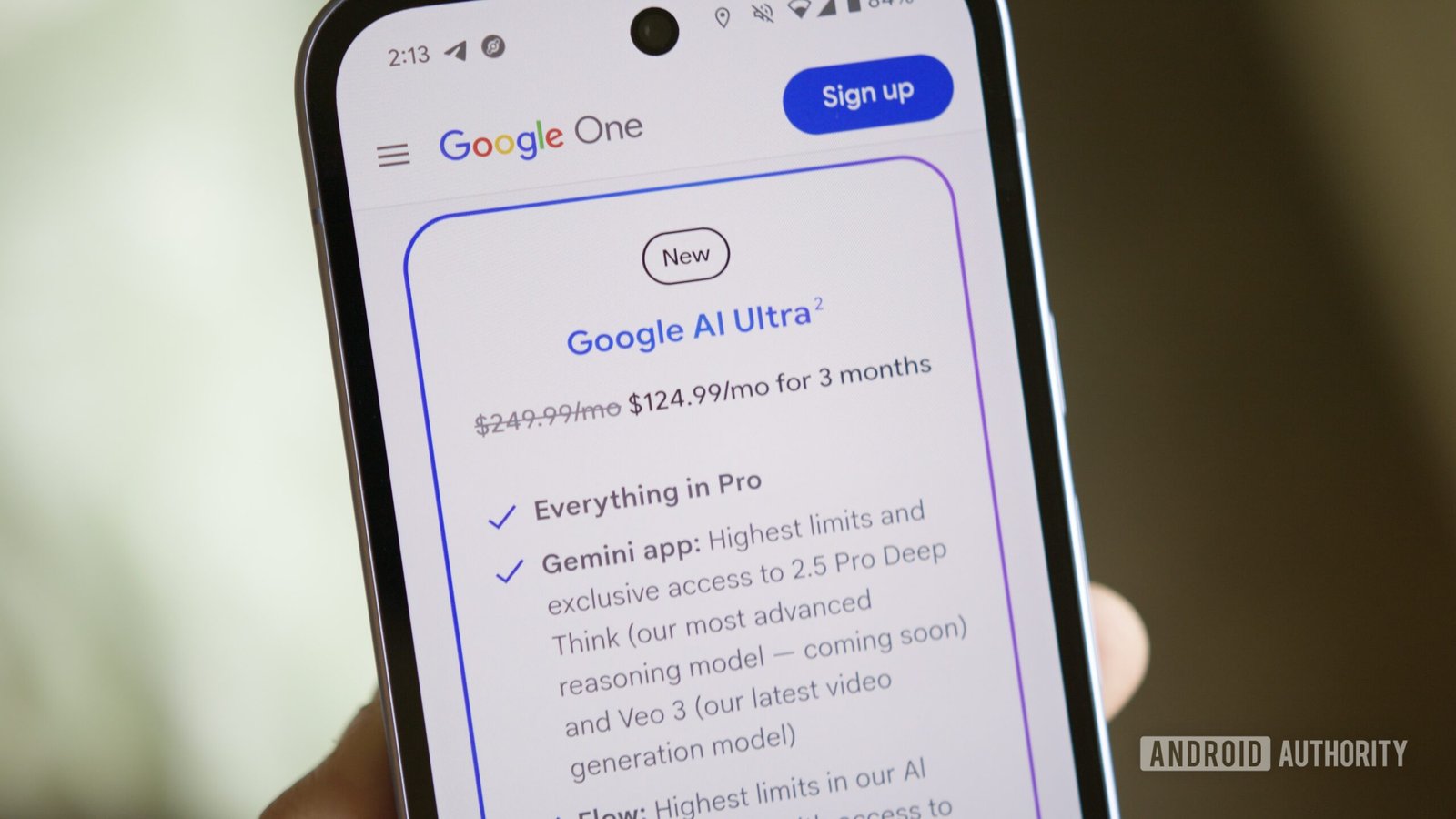
Google has officially integrated its Colab computing platform into its Google One AI subscription tiers, creating a significant value proposition for developers, data scientists, and AI hobbyists. By bundling browser-based cloud computing resources directly into the AI subscription ecosystem, Google is consolidating its professional services, allowing users to move seamlessly from building AI-driven workflows to executing complex data tasks without managing fragmented subscriptions.
Unifying Cloud Resources and AI Access
For years, Google Colab has functioned as a primary tool for those needing immediate access to GPU and TPU resources for Python-based research and machine learning projects. Previously, Colab required a standalone subscription to unlock higher compute limits and faster hardware. By folding these benefits into the Google One AI plans, the company is effectively lowering the barrier to entry for entry-level developers.
Users can now access Colab compute units starting with the basic paid Google AI subscription tier, which is priced significantly lower than the historical standalone cost for entry-level Colab Pro features. This integration implies that a user paying for advanced AI model capabilities—such as priority access to the latest Gemini iterations—will now receive a baseline of cloud computing power as part of their monthly commitment.
The AI Ultra Advantage
The most significant changes are reserved for subscribers of the Google AI Ultra plan. These users receive not only the standard compute allocations but also access to premium GPU tiers that are necessary for training more intensive neural networks or processing larger datasets.
Perhaps the most critical technical benefit for AI Ultra subscribers is the inclusion of uninterrupted background execution. In standard cloud computing environments, session timeouts are a frequent hurdle for developers running long-form data analysis or iterative model training. By granting Ultra subscribers the ability to maintain background processes, Google is catering to researchers who require persistent runtime environments that do not terminate when a browser tab is minimized or the network fluctuates. This distinction positions the Ultra plan as a legitimate tool for sustained development rather than just a testing sandbox.
Stacking Benefits for Power Users
One of the more flexible aspects of this rollout is the ability for existing Colab power users to stack their current benefits. Those who already maintain a standalone Colab Pro or Pro+ subscription do not need to discard their current service to take advantage of the new AI bundles. Instead, the compute units from both the standalone Colab subscription and the Google One AI plan aggregate into a single pool.
This stacking capability ensures that long-term users retain their previous hardware access levels while gaining the added utilities of the AI plan, such as expanded cloud storage and the integration of Gemini features across Google Workspace applications. It provides a modular approach to service management, allowing developers to scale their compute resources based on project-specific requirements without undergoing a complex cancellation and re-subscription process.
Deployment and Accessibility
The transition to this integrated model is currently rolling out to all supported regions. Google has streamlined the activation process, requiring users to link their Google One account within the Colab interface under the settings menu. Once the accounts are verified and the Google AI subscription is active, the system automatically recalibrates the user’s available compute units and hardware permissions.
It is important to note that this consolidation is exclusive to paid subscription tiers. Users currently utilizing promotional free trials of Google AI or those operating on the free, ad-supported version of Colab will not see these specific benefits reflected in their accounts. The requirement to maintain a paid status ensures that these high-performance compute resources—which are energy-intensive and cost-heavy—are reserved for subscribers.
Impact on the Developer Workflow
The primary impact of this update is the reduction of overhead for technical users. By consolidating payments and platform access, Google is encouraging a more cohesive development workflow. An AI developer can now write code in a document, leverage Gemini to debug that code within the workspace, and then execute that code in a cloud environment using the same account credentials.
This move mirrors a broader industry trend where hardware and software tools are becoming inseparable from AI service layers. By bringing Colab into the fold, Google is essentially creating a vertical stack where the data analysis environment is as much a part of the AI subscription as the models themselves. As these benefits continue to propagate across user accounts over the coming weeks, the shift suggests that Google intends to maintain its influence over the developer community by offering a singular, all-encompassing productivity ecosystem. For professionals who operate at the intersection of data science and generative AI, this unification offers a more streamlined, predictable, and cost-effective method for handling technical tasks.
Disclaimer: This content is auto-generated for informational purposes only.
Source: Read Original News