







The Geopolitical and Economic Reality of India-US Relations
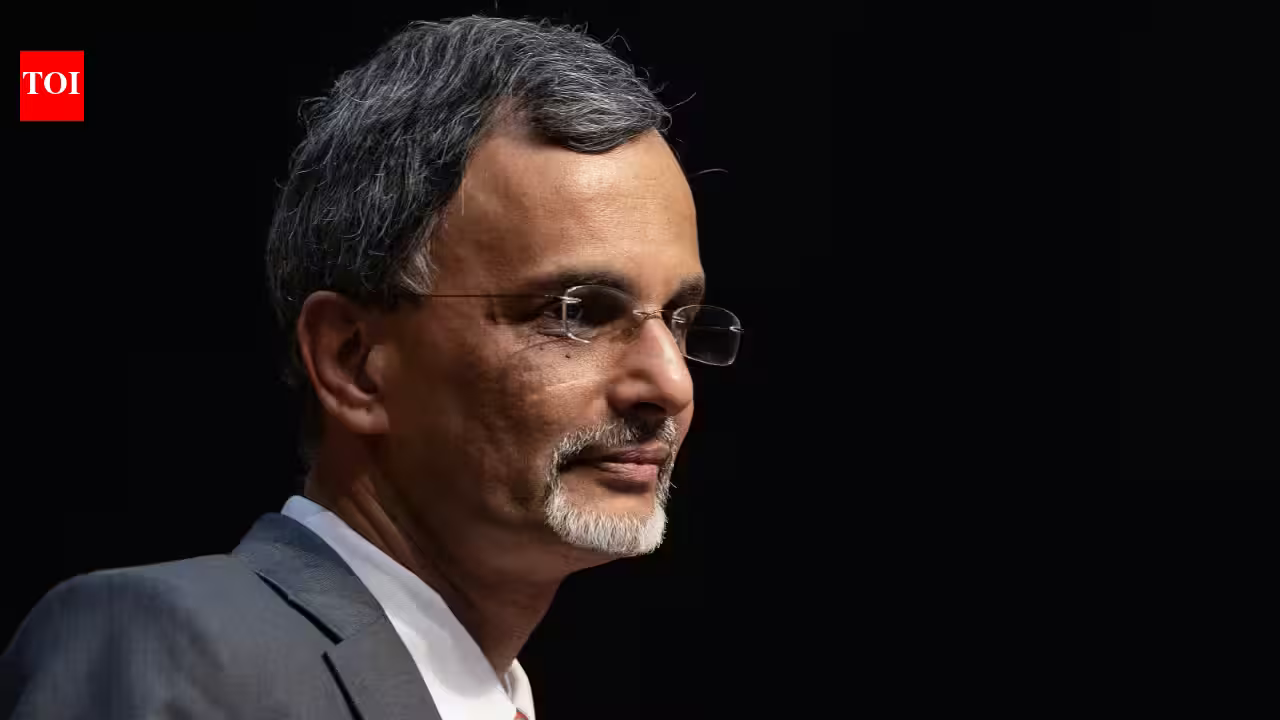
The relationship between India and the United States has long been characterized by a complex mix of strategic alignment and commercial friction. While both nations share a robust partnership in defense, technology, and intelligence, the economic dimension remains a theater of persistent negotiation. Chief Economic Advisor V. Anantha Nageswaran recently characterized this state as an “uneasy equilibrium.” This terminology encapsulates the delicate balance India must strike as it navigates a global landscape increasingly defined by protectionist policies and geopolitical bloc formation.
For India, the primary challenge lies in balancing its strategic autonomy—a cornerstone of its foreign policy—with the necessity of maintaining market access to the world’s largest economy. As global supply chains undergo structural shifts, the trade relationship with the US has transitioned from a straightforward exchange of goods into a high-stakes arena where energy security, tariff regimes, and geopolitical neutrality intersect. The current friction stems not from a lack of mutual interest, but from the divergent priorities regarding trade protectionism and the global transition away from fossil fuels.
Navigating the Persistent Tariff Landscape
Tariff disputes have historically served as a recurring flashpoint in the bilateral relationship. Despite progress made during interim trade discussions, the underlying structural disagreements remain unresolved. These disputes are often rooted in the US focus on market access and intellectual property rights, juxtaposed against India’s mandate to protect its domestic manufacturing base through programs such as “Make in India.”
The uncertainty is compounded by shifts in US legislative priorities. The potential for aggressive tariff actions—particularly those tied to energy trade—introduces a level of volatility that complicates long-term corporate planning for Indian exporters. When the threat of 100 percent levies on countries engaging in specific energy transactions arises, it forces Indian policymakers to recalculate the cost-benefit analysis of its energy procurement strategy. For Indian businesses, this creates a challenging environment where the predictability of trade rules is subject to sudden changes in American domestic law. This climate of uncertainty necessitates a more agile approach to export strategies, as Indian firms must now account for sudden geopolitical externalities that were previously relegated to the periphery of trade planning.
Energy Security and the Cost of Strategic Independence
Energy remains the most significant vector of the current economic tension. India’s decision to continue purchasing Russian oil and gas following the conflict in Ukraine has created a clear friction point with Western sanctions regimes. From an Indian macroeconomic perspective, the procurement of discounted energy is a vital tool for controlling inflation and maintaining a manageable current account deficit. For a developing economy with a massive population, energy costs are not merely a corporate concern; they are a fundamental pillar of national welfare and industrial competitiveness.
However, as Nageswaran highlighted, the pursuit of this independent energy policy carries an implicit cost. India is essentially paying a premium—not always in immediate currency, but in the form of trade headwinds and potential supply chain disruptions—to maintain its ability to trade with all major global powers. The US threat to impose tariffs on countries dealing with specific energy partners is an attempt to force alignment. For India, succumbing to this pressure would mean higher energy input costs, which would inevitably slow domestic industrial growth. Consequently, New Delhi maintains a policy of non-alignment, choosing to absorb the friction rather than sacrifice its energy cost-efficiency.
The Global Bloc Dilemma and Strategic Autonomy
The world is witnessing a return to a more bifurcated global order, marked by competition between Western-led alliances and emerging blocs involving China and Russia. In this environment, medium-sized and large developing nations are being subtly, and sometimes overtly, pushed to choose a side. India’s position is unique due to its geography, its demographic scale, and its aspirations to become a global manufacturing hub.
Belonging to any single bloc would limit India’s strategic options and hamper its ability to engage in “multi-alignment.” While the US is a crucial market and technology partner, India’s engagement with other global actors is essential for its infrastructure and energy needs. Nageswaran’s assessment suggests that India has accepted the fact that its independence is not free of charge. The cost manifests as periodic supply chain bottlenecks and the necessity to negotiate tariff rates from a position that is perpetually under pressure. This is a pragmatic calculation: the long-term benefit of maintaining an independent voice in international forums outweighs the short-term economic discomfort caused by US trade sanctions or diplomatic warnings.
Implications for the Indian Corporate Sector
For the Indian corporate sector, the “uneasy equilibrium” necessitates a recalibration of risk management frameworks. Businesses that rely heavily on exports to the US market must now factor in a high degree of geopolitical beta. It is no longer sufficient to monitor market demand and competitor pricing; firms must also track legislative developments in Washington that could trigger sudden, punitive tariff regimes.
Supply chain diversification has become an imperative rather than an optional strategic preference. Companies are increasingly looking at building resilience into their procurement processes to mitigate the risks associated with sudden trade disruptions. Furthermore, the Indian manufacturing sector is facing pressure to enhance its value proposition. As tariff wars become more frequent, the most effective defense for Indian exporters is to increase their integration into high-value global supply chains where their products are indispensable to US industry. When Indian goods are deeply embedded in the American production cycle, the cost of imposing tariffs becomes counterproductive for the US itself.
Future Outlook: A Mature, transactional Relationship
Looking ahead, the India-US relationship will likely remain transactional rather than purely ideological. Both nations understand that they need each other to manage the shifting geopolitical realities of the 21st century. The US needs a strong, stable India as a counterbalance to rising authoritarian powers in the Indo-Pacific, while India needs US investment, technology, and market access to achieve its developmental goals.
The “uneasy equilibrium” should not be interpreted as a failure of diplomacy. Instead, it represents the new standard for interactions between major global stakeholders who have differing economic objectives. Indian policymakers and business leaders must prepare for a future where friction is a constant feature of the bilateral landscape. By focusing on domestic economic resilience, diversifying export markets, and leveraging its role as a bridge between the Global South and the West, India can navigate these tensions. The ultimate objective is to transform this uneasy equilibrium into a stable partnership where both sides recognize that, despite the trade disagreements, their common interests significantly outweigh the costs of their periodic disputes. The maturity of the relationship will be measured by the ability of both nations to compartmentalize trade disagreements while maintaining deep, systemic cooperation in broader security and economic spheres.
Disclaimer: This content is auto-generated for informational purposes only.
Source: Read Original News