



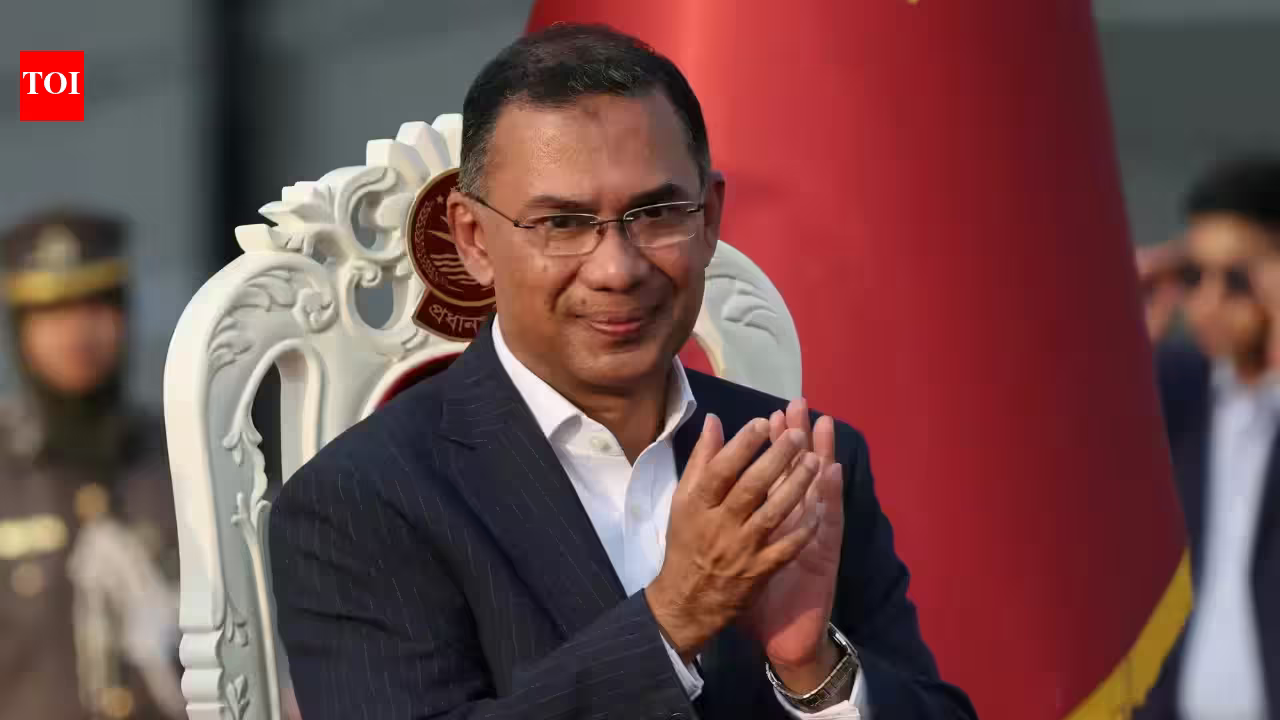



Diplomatic Reset: India and Bangladesh Eye November Date for PM Tarique Rahman’s Visit
New Delhi is actively engaging with Dhaka to revive plans for a state visit by Bangladesh Prime Minister Tarique Rahman, with diplomatic circles signaling a potential window in the third week of November. This renewed push follows a previously aborted attempt to finalize a schedule, highlighting both nations’ commitment to stabilizing a relationship currently navigating a complex transition.
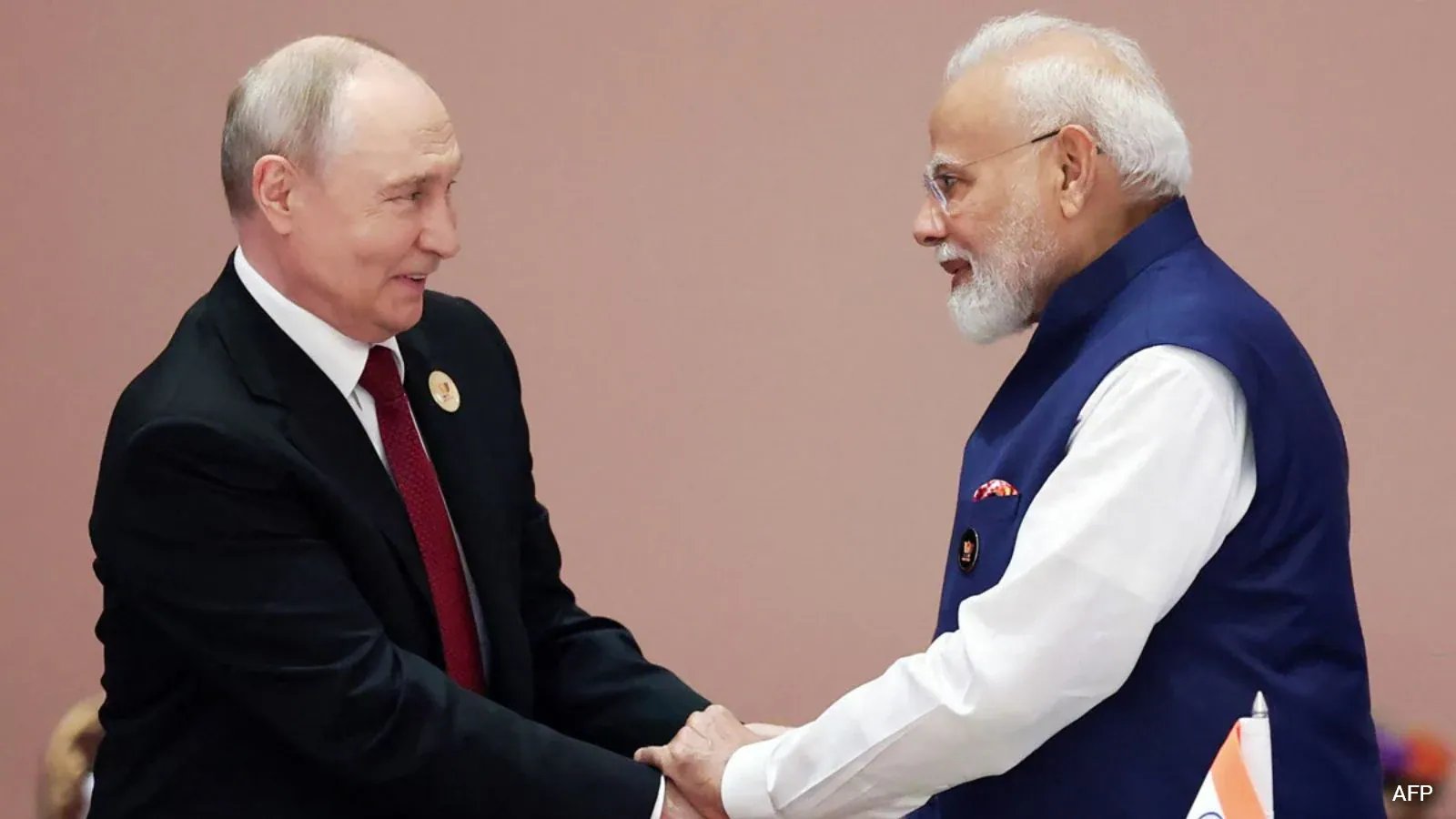
While both capitals remain cautious, the atmosphere has shown signs of thawing. Recent positive exchanges, including a cordial birthday message sent by Prime Minister Rahman to Prime Minister Narendra Modi—and the latter’s swift, appreciative response—have been interpreted by regional observers as a deliberate move to foster goodwill and clear the path for high-level bilateral discussions.
The Role of New Leadership
A critical factor in the impending visit is the transition in diplomatic representation. The arrival of the newly appointed Bangladesh High Commissioner to India, Asad Alam Siam, is expected to serve as a catalyst for final negotiations. Sources suggest that once the High Commissioner assumes his post in late October or early November, the process of formalizing the visit’s itinerary will gain significant momentum.
Diplomatic engagement has been shrouded in a degree of mystery, particularly regarding high-level security contacts. Recent speculation surrounding a potential secret visit by National Security Advisor (NSA) Ajit Doval to Dhaka on September 17 remains officially unaddressed. Neither the Indian Ministry of External Affairs nor their Bangladeshi counterparts have confirmed or denied the mission, fueling rumors that significant back-channel diplomacy is underway to resolve bottlenecks before any formal state reception.
Extradition Remains the Primary Hurdle
Despite the warmth in rhetoric, the road to a successful summit is not without obstacles. The elephant in the room remains the status of former Bangladesh Prime Minister Sheikh Hasina. For the current administration in Dhaka, the extradition of the former leader is a matter of profound domestic political importance.
Analysts suggest that the success of PM Rahman’s visit to New Delhi may be contingent upon a breakthrough or a mutually acceptable understanding regarding this issue. While India has maintained a strategic silence on the legal and diplomatic complexities of the extradition request, it remains a focal point of contention that could dictate the optics and the outcomes of the November visit.
Looking Ahead
As both nations prepare for a potential mid-November summit, the primary goal remains the restoration of trust and the streamlining of economic and security cooperation. For New Delhi, ensuring stability in Bangladesh is a top priority, and a successful visit by PM Rahman would signify a return to predictable, constructive diplomacy between the two neighbors.
Whether the two leaders will succeed in navigating the shadow of the extradition impasse remains to be seen. However, the intensity of the current efforts underscores that both New Delhi and Dhaka recognize the necessity of a stable partnership in an increasingly volatile South Asian geopolitical landscape. Should the November dates be finalized, it will mark a significant milestone in the post-transition era of India-Bangladesh ties.
Disclaimer: This content is auto-generated for informational purposes only.
Source: Read Original News