


Russia Backs India’s Permanent UNSC Seat, Opposes Western Expansion at UNGA
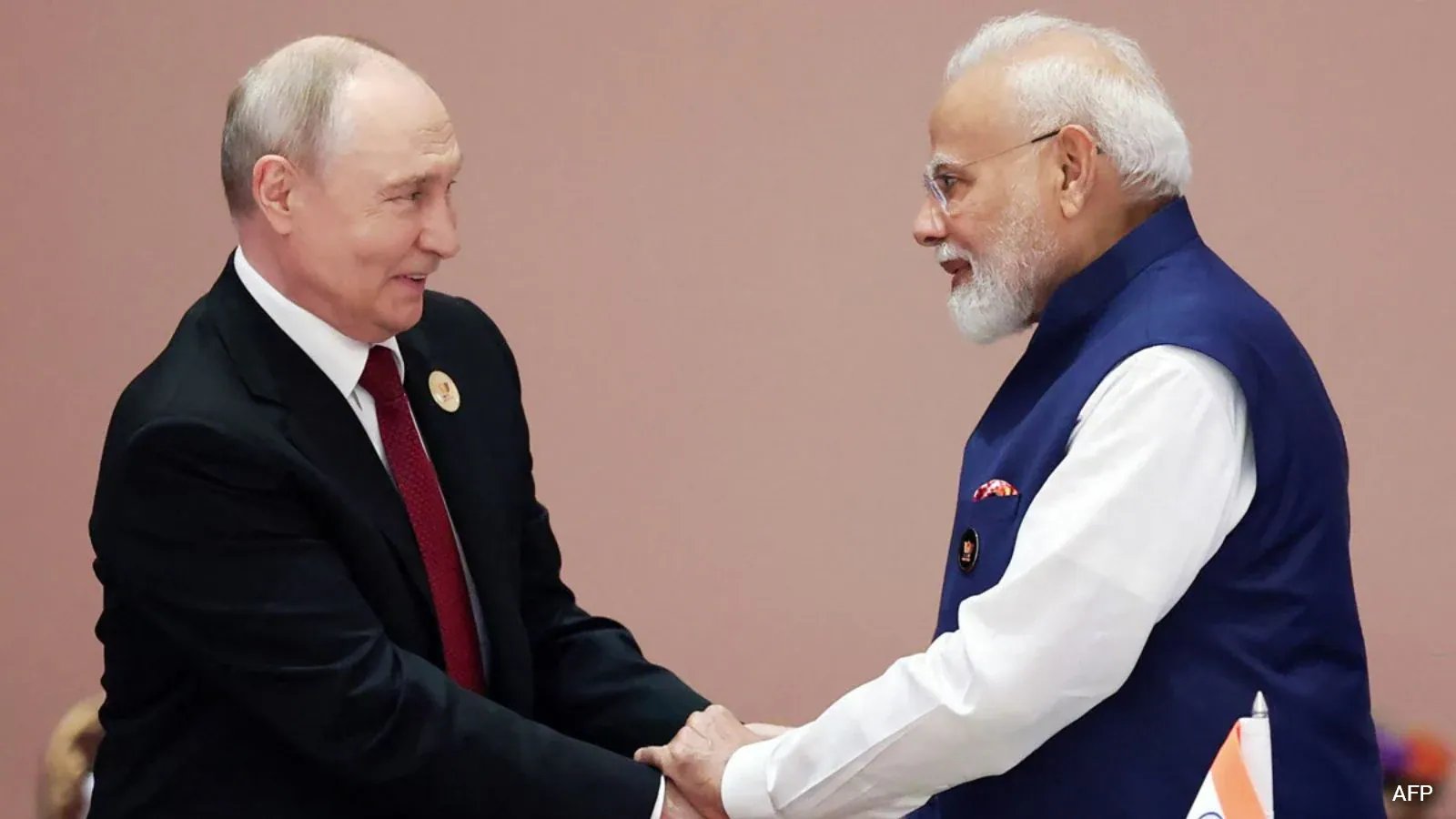
In a significant diplomatic boost for New Delhi, Russian Foreign Minister Sergey Lavrov has reiterated Moscow’s steadfast support for India to be granted a permanent seat on the United Nations Security Council (UNSC). Speaking at the 81st United Nations General Assembly (UNGA) in New York, Lavrov positioned the move as a necessary step toward balancing global governance and amplifying the voice of the Global South.
Strengthening the Global South
Lavrov’s endorsement reflects a long-standing Russian policy that seeks to restructure international institutions to better represent emerging powers. The Russian Foreign Minister highlighted the necessity of broadening the representation of nations from Asia, Africa, and Latin America. In addition to India, he explicitly signaled support for Brazil’s candidacy, arguing that the current structure of the Security Council fails to reflect the realities of the 21st-century geopolitical landscape.
This stance aligns with the broader objectives of the BRICS bloc, which has consistently lobbied for reforms that diminish the dominance of traditional Western powers in global decision-making bodies. By championing the inclusion of India and Brazil, Russia is positioning itself as a primary advocate for the Global South, aiming to curb Western influence within the world’s most powerful security forum.
Opposition to Western Candidacies
While throwing his weight behind India, Lavrov drew a firm line against the inclusion of other nations. He specifically criticized the bids of Germany and Japan, accusing them of shifting toward a stance of “militarism and revanchism.”
“UN Security Council reform cannot involve any additional seats being allocated to Western countries, especially to Germany and Japan,” Lavrov stated during his address. His remarks underscore a clear, ideological divide, as Russia signaled it would block any expansion that strengthens the Western coalition within the Security Council. Despite this, he added a caveat that any modernization of the UN must not dilute the core veto powers currently held by existing permanent members, including Russia.
Growing Momentum for New Delhi
Russia is not the only voice supporting India’s elevation on the global stage. Mauritian Foreign Minister Dhananjay Ramful also utilized the UNGA platform to explicitly endorse India’s bid. Ramful highlighted the importance of G4 and L69 reform groups, stating that India’s potential permanent membership would be “commensurate with its constructive role in global affairs.”
The Path to Reform
The structure of the UNSC currently remains frozen, consisting of five permanent members with veto power—China, France, Russia, the UK, and the US—alongside ten non-permanent members. Achieving structural change is a monumental task, as it requires a two-thirds majority vote in the UN General Assembly and formal ratification by two-thirds of member states. Crucially, any reform must receive the unanimous consent of all five current permanent members.
While Russia’s support is a significant development for Indian diplomacy, the path to a seat remains fraught with challenges. The formal reform process remains largely deadlocked, with other permanent members holding varying degrees of skepticism. Most notably, China—Russia’s close strategic partner—continues to maintain a firm stance against India’s inclusion, creating a significant hurdle for New Delhi’s aspirations to secure a permanent seat at the high table of global security.
Disclaimer: This content is auto-generated for informational purposes only.
Source: Read Original News