







The Evolution of Apple’s Compact Audio Strategy
When Apple introduced the original HomePod Mini in October 2020, it represented a strategic pivot toward accessibility and ecosystem integration. By shrinking the form factor of the premium HomePod while retaining significant computational audio capabilities, Apple successfully penetrated the smart speaker market. Now, recent reports based on internal code discovered in Apple’s latest software deployments suggest that a successor, the HomePod Mini 2, is nearing its official launch.
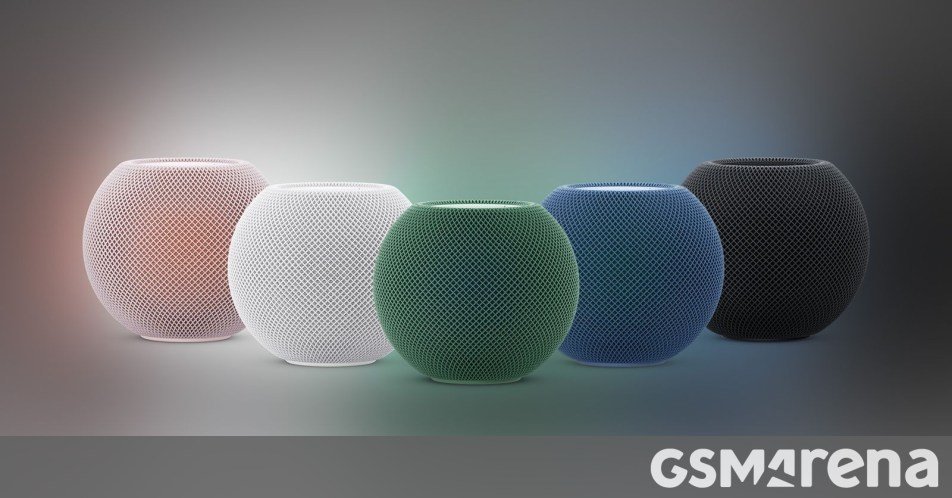
The leaked imagery reveals a design that maintains the iconic spherical aesthetic of its predecessor but introduces a refreshed color palette. The lineup appears to feature five distinct finishes: pink, white, green, blue, and midnight. Notably, the pink and green variants represent new additions to the series, while the blue hue has undergone a subtle saturation adjustment, appearing slightly lighter than the version found on the first-generation model. This aesthetic refinement suggests that while Apple is prioritizing internal upgrades, it remains focused on positioning the device as a versatile piece of home decor capable of blending into diverse interior environments.
Advancements in Processing Power
The most significant anticipation surrounding the HomePod Mini 2 concerns the hardware residing under the acoustic mesh. While the original model utilized the S5 chip, which was originally developed for the Apple Watch, the second-generation device is widely expected to house a more modern, efficient processor. A chip upgrade is a critical necessity to manage the increased computational overhead required for modern smart home automation and advanced audio processing.
A faster, more capable processor will likely handle real-time acoustic adjustments with greater precision. Computational audio relies on the ability of the onboard chip to analyze the listening environment and adjust the output of the drivers to compensate for room geometry and placement. With a more powerful silicon platform, the HomePod Mini 2 will be better equipped to manage complex audio signals, ensuring that high-fidelity performance is maintained even at varying volume levels, a traditional challenge for speakers of this compact footprint.
Integration with Siri AI Capabilities
The primary differentiator for the HomePod Mini 2 will likely be its deep integration with Apple’s evolving artificial intelligence initiatives. Recent industry trends emphasize the shift from basic voice command recognition to sophisticated natural language processing and context-aware assistance. By leveraging new AI-focused neural engines, the HomePod Mini 2 is expected to offer significantly improved Siri functionality.
In practical use cases, this means the speaker will be better at understanding complex, multi-part requests and maintaining context across a conversation. Rather than relying on simple, rigid commands, users will likely experience a more fluid interaction where the speaker understands the intent behind the query. Furthermore, integration with the broader Apple AI framework suggests that the HomePod Mini 2 could act as a more capable central hub for the smart home, managing devices with lower latency and higher reliability by processing more voice data locally on the device rather than relying exclusively on cloud-based servers.
The Role of the Smart Home Hub
Beyond acting as a music playback device, the HomePod Mini 2 is engineered to function as the nerve center for the Matter-enabled smart home. As the industry moves toward universal interoperability under the Matter standard, the hardware requirements for smart home controllers have increased. The new model is expected to provide enhanced support for Thread networking, the low-power mesh technology that allows smart bulbs, locks, and sensors to communicate directly with one another.
By serving as a robust Thread border router, the HomePod Mini 2 will improve the responsiveness of connected devices throughout a residence. This local connectivity is vital for reducing reliance on Wi-Fi congestion and ensuring that automation routines execute instantly, even if the primary internet connection experiences downtime. The combination of a new chip and expanded protocol support positions this device as a foundational component for users invested in the Apple Home ecosystem.
Anticipated Impact on the Market
Given that the original HomePod Mini was launched in October, historical release patterns suggest that an October debut for the second-generation model is highly probable. The timing is strategically advantageous, as it aligns with the holiday shopping season and provides a compelling entry point for consumers looking to integrate high-quality audio into their home systems.
The impact of this update will be felt by both casual users and home automation enthusiasts. For the former, the improved color range and refined audio performance make the device an easy recommendation for multi-room audio setups. For the latter, the shift toward a more capable, AI-driven architecture represents a significant step forward in the utility of smart speakers. If the device achieves the performance targets suggested by recent leaks, it will solidify Apple’s position in a competitive space, offering a balance of privacy-focused processing, refined aesthetics, and seamless connectivity that few competitors can replicate. As the launch window approaches, the focus remains on whether these hardware improvements can fully unlock the potential of Apple’s vision for the intelligent, interconnected home.
Disclaimer: This content is auto-generated for informational purposes only.
Source: Read Original News