






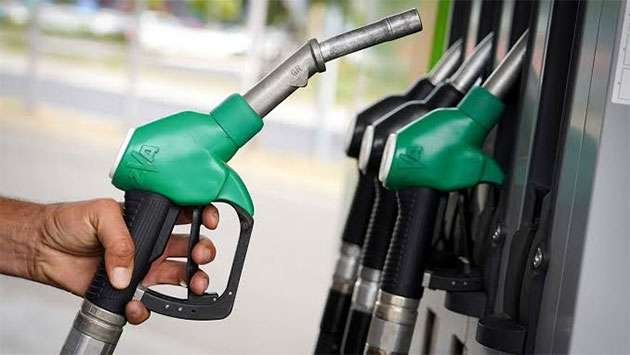
COLOMBO – The Sri Lankan government has come under intense scrutiny following revelations that domestic fuel prices are currently being set at rates lower than the international floor price. The disclosure has sparked a heated debate among economic analysts, opposition politicians, and the public, raising questions about the sustainability of the national energy policy and the fiscal burden on the state.
While global oil markets remain volatile, recent data indicates that the retail price of fuel in Sri Lanka has slipped below the minimum international benchmark for imported refined products. This discrepancy suggests that the government is either heavily subsidizing the fuel supply or relying on older, lower-cost inventory, a practice that experts warn is unsustainable in the long term given the country’s precarious foreign exchange reserves.
Energy sector analysts point out that selling fuel below international procurement costs creates a massive drain on the treasury. In a nation still reeling from its worst economic crisis in decades, any hidden subsidies threaten to derail the fiscal consolidation targets set by the International Monetary Fund (IMF) and the government’s own reform agenda. Critics argue that this pricing strategy might be a short-term populist measure aimed at pacifying public discontent over the cost of living, rather than a reflection of sound market-based pricing.
“If the government is consistently selling at prices below the import parity price, it is effectively borrowing from the future,” said a lead economist based in Colombo. “With the current debt restructuring framework in place, the state cannot afford to bleed revenue through energy subsidies. This strategy is an anomaly that will eventually force a sharp, painful price hike when the coffers can no longer support the gap.”
Government officials have remained largely tight-lipped regarding the specific mechanics of the current pricing structure, though some proponents of the administration argue that the lower prices are a necessary relief for a struggling population. They contend that the pricing mechanism accounts for internal supply chain efficiencies, though critics dismiss this as insufficient to explain the significant delta between local and international rates.
The lack of transparency has fueled widespread debate, particularly online, where citizens are questioning the stability of the energy supply. Many fear that the current situation is a precursor to another round of shortages or a sudden, dramatic spike in fuel costs. As of Wednesday, retail fuel outlets across the country were operating normally, but market observers warn that the current pricing model is a “ticking time bomb” that requires immediate clarification from the Ministry of Power and Energy.
As Sri Lanka seeks to stabilize its macro-economy, the issue of fuel pricing remains one of the most sensitive pillars of domestic policy. Whether the government will move to adjust prices to align with international standards or continue to absorb the losses remains the central question facing policymakers this week.
Disclaimer: This content is auto-generated for informational purposes only.
Source: Read Original News