







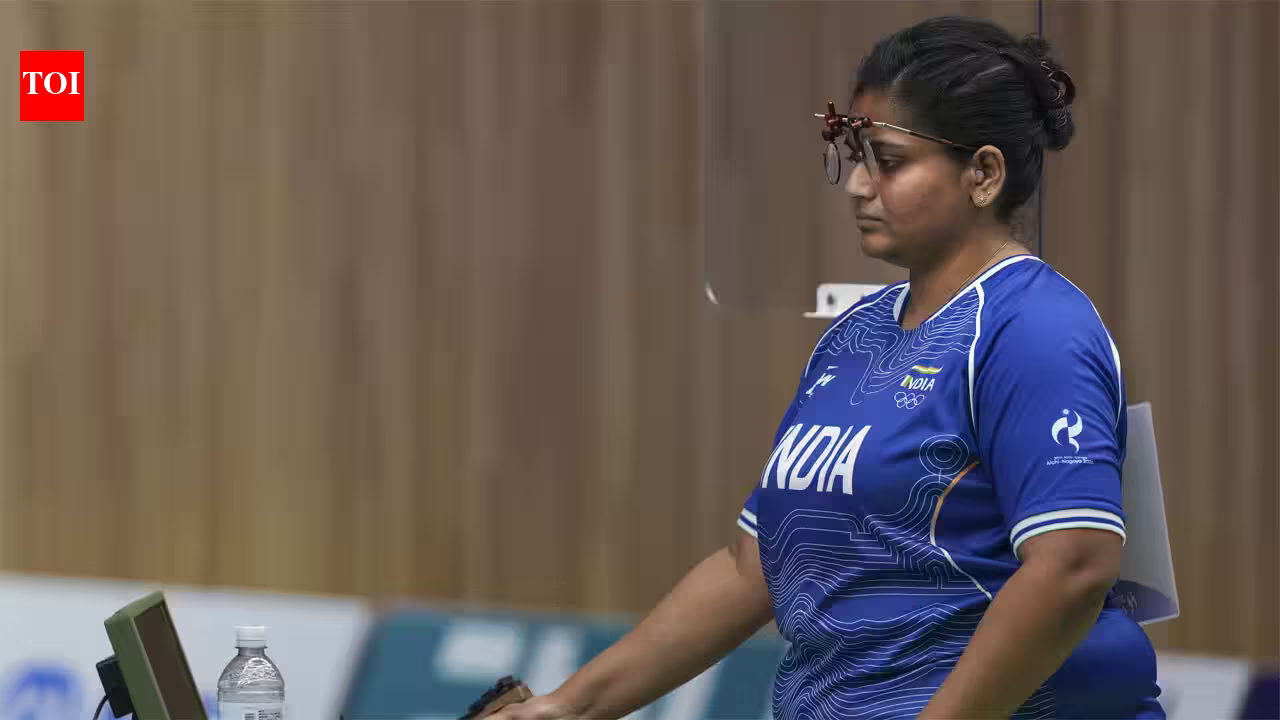
AICHI-NAGOYA — In the high-stakes theater of competitive shooting, where victory is often measured in fractions of a millimeter, the margin for error is razor-thin. On Monday, at the 2026 Asian Games in Aichi-Nagoya, the Indian women’s 25m pistol team learned this lesson in the most agonizing fashion imaginable. A campaign built on years of preparation and podium aspirations was effectively dismantled by a single, inexplicable lapse from one of the nation’s most decorated marksmen, Rahi Sarnobat.
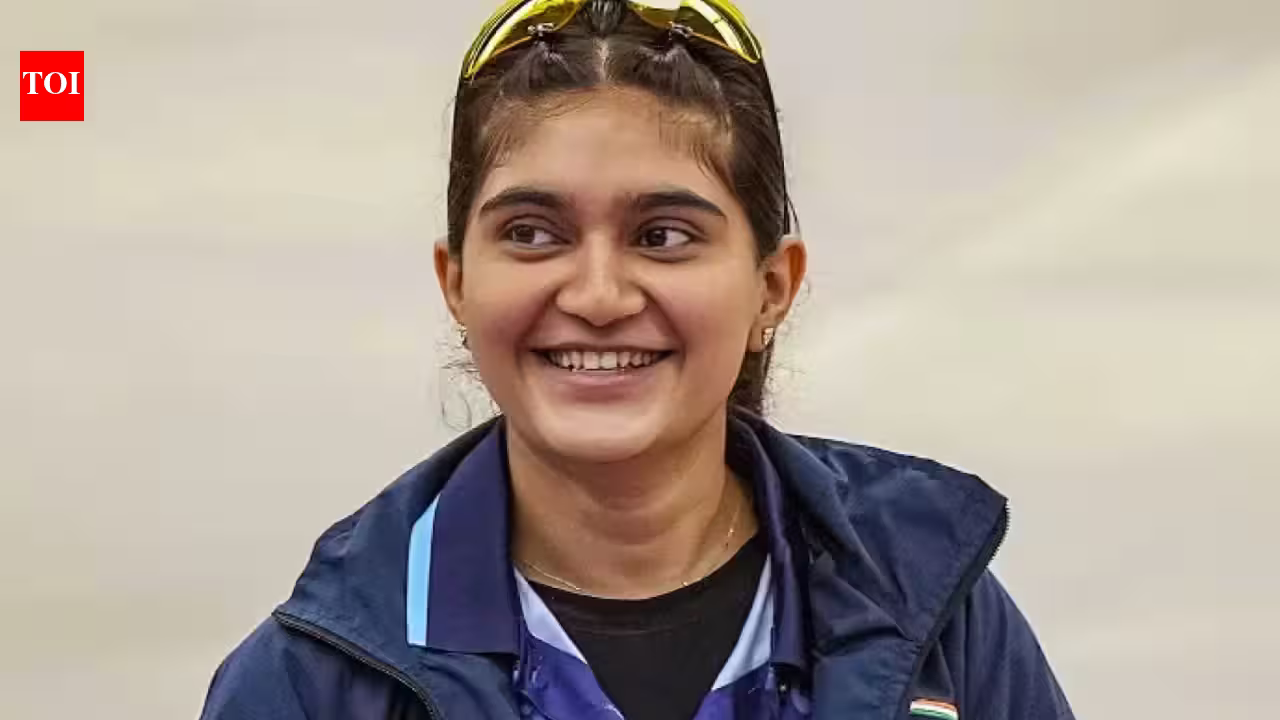
The Indian trio—comprising the legendary Sarnobat, alongside young stars Esha Singh and Manu Bhaker—entered the range with legitimate gold-medal hopes. However, the team’s collective trajectory shifted dramatically during a calamitous fourth series. Sarnobat, a veteran whose resume includes an Asian Games gold medal from Jakarta 2018, experienced a rare failure that sent shockwaves through the Indian contingent: a shot that yielded zero points.
## How one miss changed India’s medal prospects
In the high-pressure world of international sport, a “zero” is the ultimate nightmare. It is not merely a missed opportunity for ten points; it is a psychological blow that can unravel a rhythm meticulously built over hundreds of hours of training. Sarnobat’s miss occurred during the rapid-fire stage, turning a series that should have been a cornerstone of their total into a salvage operation.
The impact was immediate and statistically devastating. India finished the event in fifth place with a total of 1727-56x. When the dust settled on the final scoreboard, the math painted a cruel picture: the bronze medal, claimed by Chinese Taipei, required a score of 1734-48x. The silver medal, taken by South Korea, stood at 1735-65x. India missed the podium by a mere seven points. Given that a standard perfect shot is worth ten, that single zero proved to be the difference between a celebration of national pride and the bitter disappointment of a fifth-place finish.
For Sarnobat, the failure was as baffling as it was painful. Addressing the media after the event, the seasoned campaigner was at a loss to provide a technical rationale for the incident. “This is the first time that something like this has happened in my career,” she stated, her frustration evident. “I do not know how it happened.”
The absence of a clear explanation suggests a momentary lapse in concentration or a freak mechanical anomaly, but for the team, the “why” was secondary to the “what.” In an event where China dominated with a commanding 1743-68x to secure gold, India’s collective talent was clearly enough to contend for a medal, but one errant trigger pull proved fatal to their efforts.
## Esha Singh salvages an individual silver
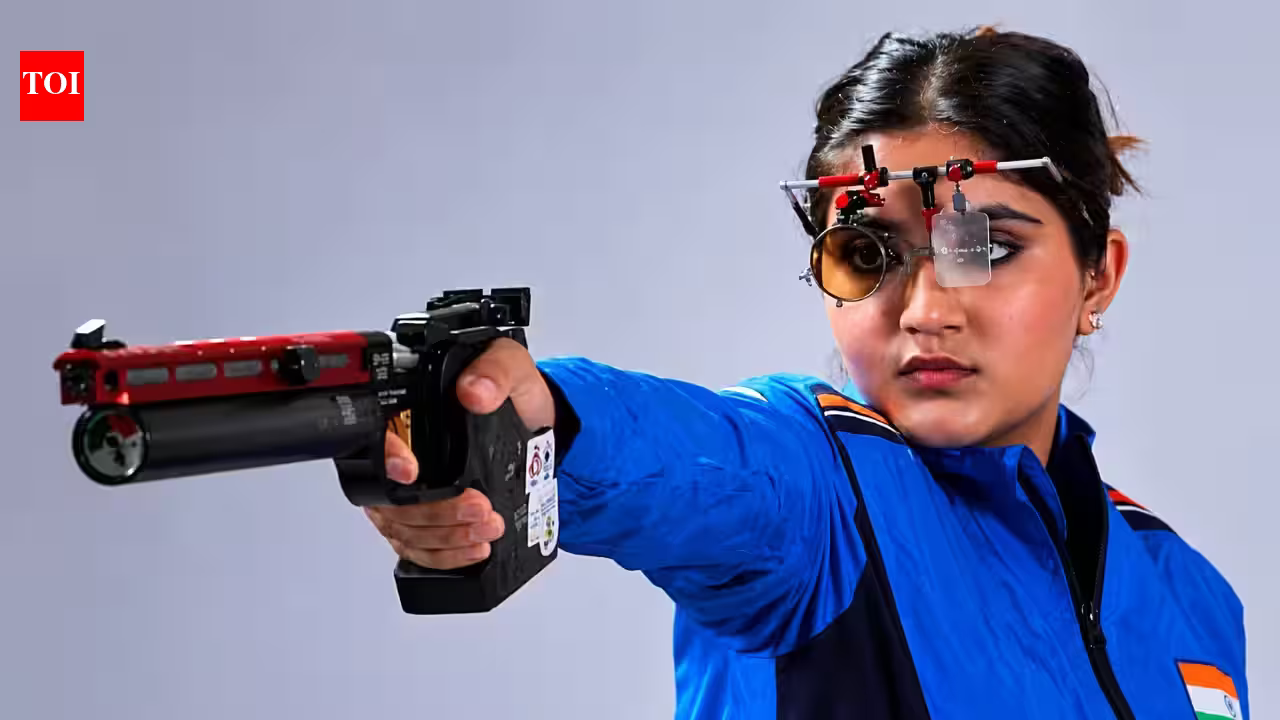
While the team event ended in heartbreak, the day was not without its moments of brilliance for the Indian camp. Esha Singh, the 21-year-old prodigy from Hyderabad and current world number one, provided a masterclass in resilience during the individual 25m pistol final.
The final was an endurance test that pushed the participants to their physical and mental limits. Singh navigated an exhausting sequence of five distinct shoot-offs. Three of those were required just to keep her in medal contention, while two further shoot-offs were necessitated in a nerve-wracking duel against China’s Xiao Jiaruixuan for the gold.
The regulation portion of the final saw both shooters deadlocked at 38 points apiece, a testament to the elite level of accuracy displayed on the day. The subsequent shoot-off was a battle of attrition. Singh, visibly fatigued after the grueling match, admitted, “I was under pressure and this is the longest match of my career so far. My arms were aching at the end of it.”
Ultimately, a single shot in the final shootout separated the Indian star from the top step of the podium. Xiao claimed the gold, leaving Singh with a hard-earned silver—a result that served as a silver lining for a nation left reeling from the team-event disappointment.
## A mixed bag for Indian shooting
The conclusion of the 25m pistol events marks a complex chapter in India’s Asian Games journey. For Manu Bhaker, the Games proved to be an uphill battle. The two-time Olympic medallist, who had previously finished fifth in the 10m air pistol, was unable to find her rhythm in the 25m discipline, failing to qualify for the final and ending her individual campaign without a medal.
As the squad reflects on the results in Aichi-Nagoya, the focus will undoubtedly shift toward analyzing the inconsistencies that plagued their team performance. While Esha Singh’s silver medal serves as a beacon of individual excellence, the collective failure of the 25m team—precipitated by one of the most unusual blunders in recent memory—serves as a stark reminder that in the unforgiving arena of the Asian Games, perfection is not just an ideal, but a requirement.
For Sarnobat, the task now will be to move past the frustration of a single anomalous shot, while for the rest of the Indian shooting contingent, the pressure remains to transform individual flashes of brilliance into consistent, podium-topping team performances.
Disclaimer: This content is auto-generated for informational purposes only.
Source: Read Original News