








The Impending Evolution of the Samsung Galaxy S27 Series
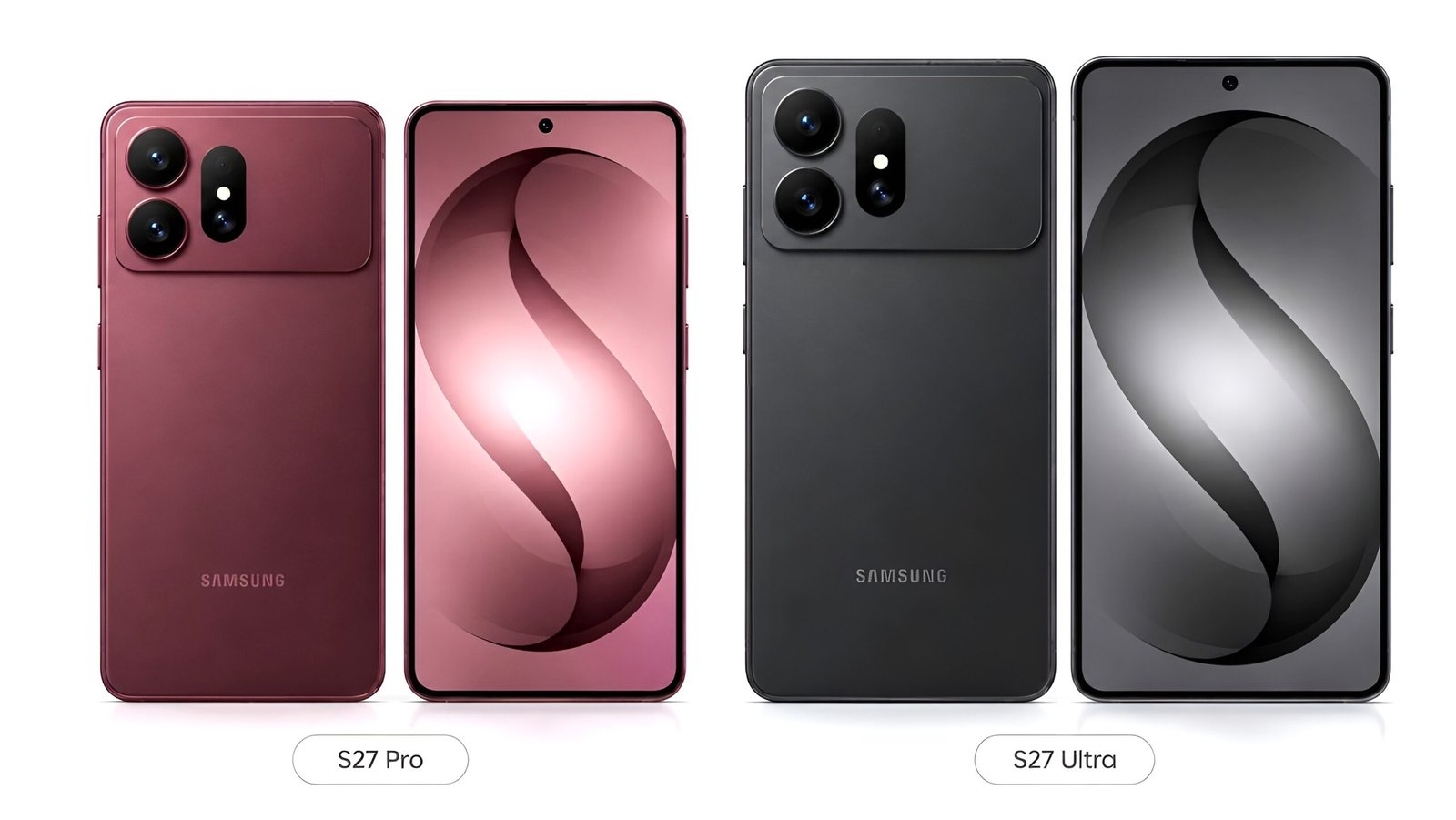
As the smartphone industry approaches early 2027, anticipation is building for the next iteration of Samsung’s premier mobile hardware. Recent reports indicate that the company is preparing a significant strategic shift, transitioning away from the established design language of its recent predecessors. The upcoming lineup is expected to feature two primary flagships: the Galaxy S27 Ultra and the Galaxy S27 Pro. These devices represent a departure from the iterative updates seen in years past, focusing instead on substantial structural changes and hardware upgrades designed to maintain a competitive edge in a crowded market.
Central to this redesign is a reconfiguration of the rear camera array. Early CAD-based renders and leaked protective case images suggest that Samsung is moving toward a wide, integrated camera island. This architectural shift draws visual inspiration from contemporary industry trends seen in competing flagship hardware. While initial renders provided a baseline for the design, subsequent leaks—including images surfacing on social media—hint at nuanced adjustments in component placement. Specifically, there is ongoing debate regarding the exact orientation of the secondary sensors and the LED flash unit, suggesting that the finalized production models may deviate slightly from the initial leaked specifications as engineers optimize for internal component space and heat dissipation.
Advanced Imaging Capabilities and Sensor Upgrades
Beyond the physical chassis, the Galaxy S27 Ultra is positioned to introduce a revamped optical system. The headline feature involves a successor to the current 200-megapixel main sensor. While high-resolution imaging has been a staple of the Ultra series, the 2027 update is expected to leverage advanced computational photography to allow the main sensor to act as an effective replacement for a dedicated 3x telephoto lens. This move could signal a shift in how Samsung manages zoom functionality, potentially consolidating the number of physical lenses required while maintaining high-fidelity output across various focal lengths.
The peripheral optics, specifically the 5x telephoto and ultrawide modules, are expected to remain consistent with previous generations. However, a significant update is rumored for the front-facing camera. A new 16-megapixel sensor is anticipated to replace the current standard, aimed at enhancing clarity for video conferencing and digital content creation. By integrating this hardware with the updated processing capabilities of the next-generation chipset, Samsung aims to improve low-light performance and color accuracy, addressing common pain points in mobile photography.
Computational Power and Efficiency with the Snapdragon 8 Elite Extreme Gen 6
Under the hood, the entire S27 series will be powered by the Qualcomm Snapdragon 8 Elite Extreme Gen 6 chipset. This processor serves as the cornerstone of the 2027 flagship experience, offering notable improvements in both graphical fidelity and power efficiency compared to the Snapdragon 8 Elite Gen 5. For the end user, this transition is critical; it enables more complex on-device machine learning tasks and higher-end gaming performance without necessarily requiring a proportional increase in power consumption.
The integration of this silicon is particularly relevant for the device’s thermal management. As mobile games and professional-grade editing software become more demanding, the ability of the processor to sustain peak clock speeds without thermal throttling becomes the primary metric of performance. The refined architecture of the Gen 6 chip, combined with updated internal cooling structures, is designed to keep the device stable under sustained workloads, providing a more consistent performance profile than previous iterations.
Display Innovation and Battery Sustainability
A critical area of focus for the 2027 flagship rollout is display technology. Samsung is moving to adopt a new generation of OLED material that has already begun to appear in competing high-end devices. This new panel technology offers improved peak brightness levels and significantly higher energy efficiency. For users, this translates to better outdoor visibility and reduced battery strain when viewing HDR content. The synergy between this panel and the new chipset suggests a meaningful improvement in overall power management.
Furthermore, reports indicate that Samsung will finally implement substantial improvements to the battery specifications across both the Pro and Ultra models. By utilizing higher-density cell technology, Samsung intends to provide longer runtimes between charges. This upgrade is long overdue for a segment of the market that demands high-performance hardware capable of lasting through intensive workdays. When coupled with the efficiency gains from the new OLED panel and the 6th-generation Snapdragon processor, these battery improvements represent a holistic approach to device longevity.
Strategic Impact on the Flagship Market
The introduction of the Galaxy S27 Pro alongside the Ultra model indicates a deliberate attempt by Samsung to broaden the appeal of its high-end lineup. By offering a more compact version of the flagship experience, Samsung is catering to users who desire top-tier performance without the physical bulk of the Ultra variant. This dual-flagship strategy allows the company to reach a wider demographic while maintaining the prestige associated with the S-series branding.
As these devices move toward production, the market focus will likely shift to how these hardware changes integrate with the latest software ecosystems. With advancements in AI-driven processing and the aforementioned hardware refinements, the S27 series is set to be a significant release for Samsung. The success of this generation will depend on how well the company balances these aggressive hardware upgrades with the stability and user-centric features that have defined its flagship reputation. For power users and tech enthusiasts, 2027 looks to be a pivotal year in the evolution of the smartphone form factor.
Disclaimer: This content is auto-generated for informational purposes only.
Source: Read Original News