






Internal Dissent Rocks Election Commission Amid Voter Roll Revision Controversy
NEW DELHI – The Election Commission of India (ECI), a constitutional institution traditionally viewed as the bedrock of the world’s largest democracy, is currently weathering a storm of intense scrutiny. Allegations regarding procedural irregularities during a massive, nationwide voter-roll revision have sparked a fierce political confrontation, casting doubt on the integrity of the electoral process.
A recent investigative report published by The Indian Express has alleged that critical decisions pertaining to the “Special Intensive Revision” (SIR) were finalized without the necessary consensus or approval from two of the three commissioners. The report suggests that the ECI has been fractured by internal discord for the better part of the last year, with dissenting commissioners formally logging objections on at least 14 separate occasions.
The Core of the Contention
The SIR, an exercise spanning the last ten months, has resulted in the deletion of approximately 130 million names from voter rolls. While the ECI maintains that this massive culling was necessary to remove fraudulent registrations and ensure the accuracy of the electoral process, opposition leaders argue that the deletions are targeted.
Critics contend that the revision has disproportionately disenfranchised marginalized groups and minority communities. Furthermore, there is growing suspicion that the drive is being weaponized to favor the ruling Bharatiya Janata Party (BJP). BJP officials have long maintained that undocumented migrants—specifically those from Bangladesh—have infiltrated electoral lists, a narrative that underpins the government’s stated need to “purify” the rolls.
Under the provisions of the Indian Constitution, the ECI is designed as a three-member body where decisions must be reached through consensus or a majority vote. The emergence of reports suggesting that the Chief Election Commissioner, Gyanesh Kumar, may have bypassed his colleagues to push through controversial orders has drawn sharp rebukes from across the political spectrum.
ECI Rebuttal and Institutional Defense
Responding to the media allegations, the ECI issued a statement on Wednesday flatly denying any procedural impropriety. The commission asserted that all actions taken during the past year were the product of unanimous decisions by the full bench.
“All these decisions are an outcome of the unanimous decisions of the full Commission,” the statement read, adding that internal debates are a routine and healthy component of the decision-making process. However, the ECI stopped short of providing specific details regarding who authorized the orders that were allegedly contested by the other commissioners, leaving a gap in transparency that observers find concerning.
Political Backlash and Demands for Inquiry
The opposition, led by the Indian National Congress, has seized upon the report to demand an immediate investigation. Pawan Khera, a prominent Congress spokesperson, labeled the potential circumvention of constitutional processes as “treason,” arguing that if decisions were reached without the required internal approvals, the entire SIR exercise should be declared legally void. The opposition is now pushing for a Supreme Court-monitored probe into both the commission’s internal functioning and the methodology behind the voter deletions.
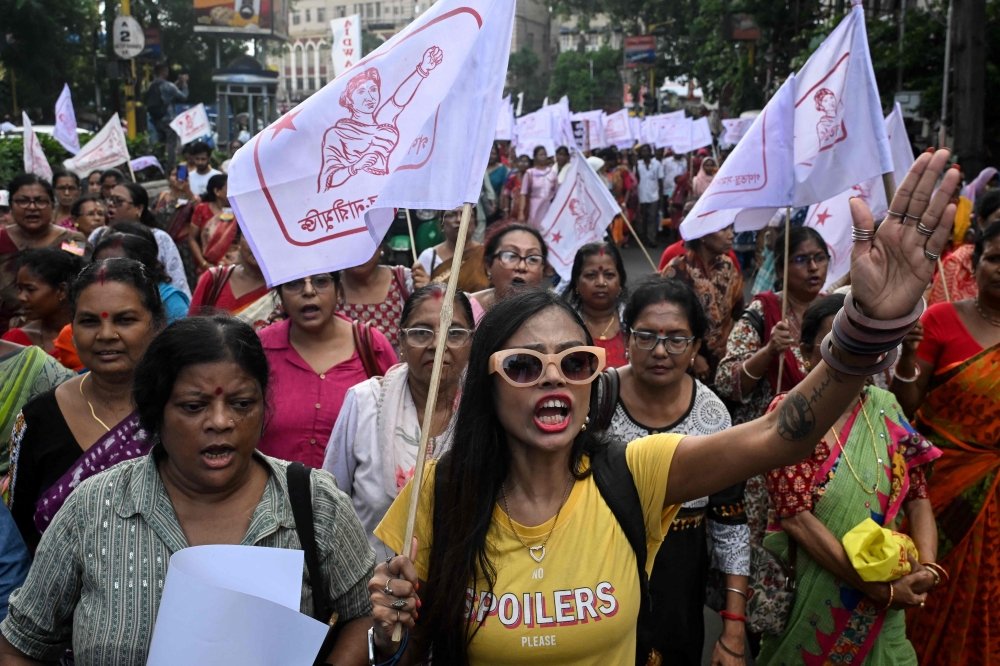
The controversy is already spilling out of the corridors of power and into the streets. The Cockroach Janta Party, a youth-driven movement that recently demonstrated its capacity for mobilization by forcing the resignation of the education minister, has issued an ultimatum. The group has declared that if Chief Election Commissioner Gyanesh Kumar does not resign, they will initiate widespread street protests beginning October 2, coinciding with the birth anniversary of Mahatma Gandhi.
As the ECI faces this unprecedented crisis of confidence, the coming days will likely determine whether the commission can restore its tarnished image or if it will be forced to undergo a radical restructuring to preserve the sanctity of India’s electoral mandate.
Disclaimer: This content is auto-generated for informational purposes only.
Source: Read Original News