







Technical Specifications and Deployment Strategy
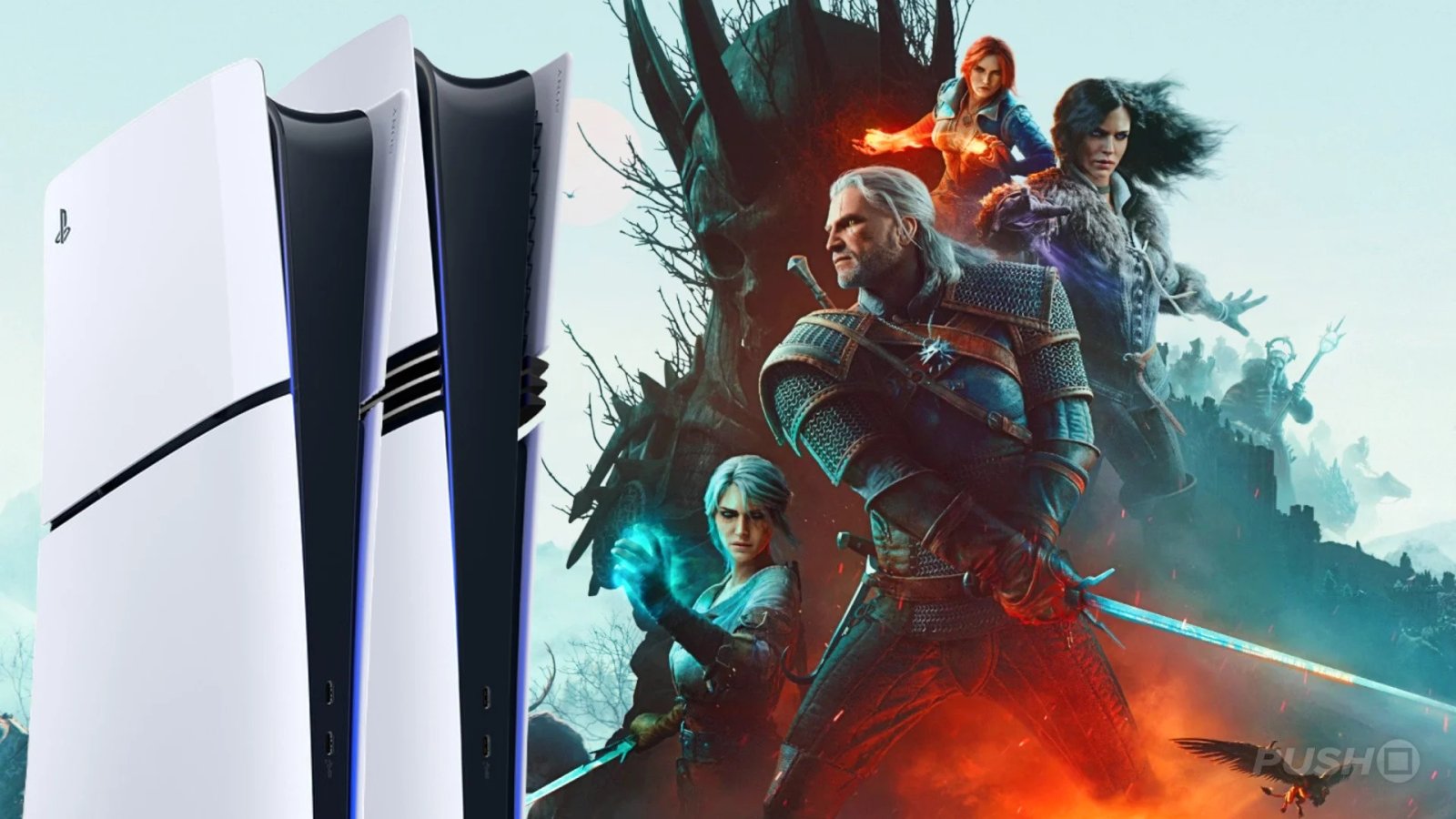
The gaming industry is witnessing a significant technical refresh as CD Projekt Red prepares to roll out its comprehensive remaster of The Witcher 3: Wild Hunt. Scheduled for release on September 29, 2026, this update serves as a major overhaul for the existing Complete Edition rather than a standalone retail product. From a systems perspective, this deployment strategy ensures that user save files, achievement progression, and Trophy data remain fully compatible and intact, allowing players to transition into the updated environment without losing hundreds of hours of progress.
The logistics of this update involve substantial data distribution. Marcin Momot, a key executive at CD Projekt Red, confirmed that the update will require a download of approximately 45 GB across the PlayStation 5, Xbox Series X/S, and PC platforms. Interestingly, the Nintendo Switch 2 version will necessitate a slightly larger 50 GB download, likely due to specialized asset optimization tailored to the hardware architecture of that system. By utilizing an update-based delivery method, the developer avoids fragmentation, ensuring the entire install base is moved to the latest version of the engine simultaneously.
Optimized Performance and Hardware Integration
This remaster is designed to leverage the capabilities of modern hardware, specifically targeting the improved graphical fidelity and processing power found in the latest generation of consoles and PCs. Among the most anticipated features is native support for the PlayStation 5 Pro, allowing the game to utilize advanced upscaling technologies and improved ray tracing. These technical enhancements aim to stabilize frame rates while providing high-resolution textures that modernize the visual presentation of the 2015 title.
Beyond graphical fidelity, the update incorporates changes to the underlying game engine to accommodate these hardware-specific improvements. By focusing on deep-level integration with the custom hardware APIs of current consoles, the developers have ensured that the performance gains are not merely superficial. Players can expect faster load times, improved shadow quality, and more sophisticated lighting models, which contribute to a more cohesive technical experience compared to the original release.
Continuity and Save Data Management
One of the primary concerns for long-term players when a remaster is announced is the potential for data loss or the necessity of starting a new playthrough. By implementing this update as a direct replacement for the existing Complete Edition, CD Projekt Red has prioritized backward compatibility. This design choice is critical for a title of this scale, where players often invest dozens of hours in world-state decisions that span multiple expansions.
The seamless transition ensures that the meta-data associated with user profiles—including the “New Game Plus” states—remains functional within the updated build. This approach is highly efficient from a data management standpoint, as it avoids the creation of duplicate game installations on the host storage drive. It encourages long-term retention of the software, as the barrier to returning to the title is significantly lower than if the player were required to perform a full migration of data from an legacy version to a new executable.
Future-Proofing for Upcoming Content
The strategic timing of this release aligns with a broader roadmap for the franchise. While the immediate focus is on the technical rejuvenation of the base game, the update serves as the foundational architecture for future content. Specifically, the upcoming expansion titled “Songs of the Past,” slated for release in 2027, will be built on the technical standards established by this remaster. By bringing the base game up to modern performance and quality benchmarks, the developers are creating a consistent development environment for future expansions.
Returning to the game now offers a distinct advantage for players looking to prepare for the 2027 expansion. Establishing a fully completed save file within the remastered ecosystem ensures that players are positioned to immediately access new narrative content when it arrives. This long-term preparation demonstrates how software developers maintain interest in a product years after its initial launch, turning a legacy title into a living platform that continues to grow and adapt alongside shifting technological standards.
Market Accessibility and Implementation
The approach taken by CD Projekt Red regarding the distribution of this remaster is heavily centered on accessibility. By offering the update for free to owners of the existing Complete Edition, the company is effectively raising the quality floor for their entire active user base. Additionally, strategic price reductions on digital storefronts, such as the PlayStation Store, create an entry point for new users who may have been waiting for a modernized experience before investing in the series.
This cycle of updating and refining software is increasingly common in high-end PC and console gaming. By prioritizing technical longevity, developers can extend the commercial life of their assets while providing tangible benefits to the consumer. For those who already own the game, the upcoming update serves as a benchmark for how established titles can remain relevant in an increasingly crowded market of modern releases. As the industry moves toward more iterative hardware cycles, the ability to patch, optimize, and expand existing software, rather than forcing consumers to repurchase titles, stands as an essential component of modern digital infrastructure.
Disclaimer: This content is auto-generated for informational purposes only.
Source: Read Original News