






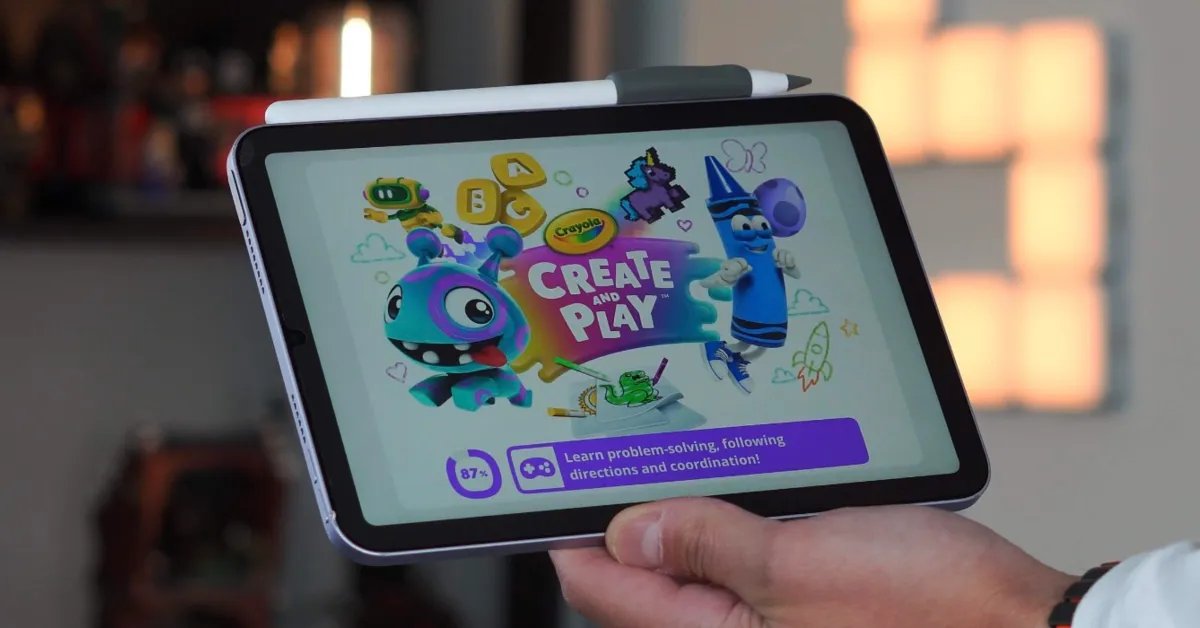
The landscape for portable computing is shifting as rumors regarding the next generation of the iPad mini continue to gain momentum. With recent disclosures pointing to significant hardware advancements, the smallest member of the Apple tablet family is poised for a major technical overhaul. Beyond the internal specifications, there is an increasing demand for a software evolution that matches the refined multitasking capabilities found in Apple’s newer mobile hardware.
Advanced Hardware Specifications Under the Hood
The most significant technical development in the upcoming iPad mini is the expected inclusion of the A20 Pro chip. This processor represents a substantial leap in computational power, positioning the compact device closer to the performance metrics of high-end mobile workstations. By integrating the A20 Pro, Apple aims to ensure the device remains future-proofed for intensive tasks, ranging from high-fidelity gaming to complex graphical rendering and machine learning operations.
Beyond the silicon, the chassis design is undergoing a physical refinement. Leaks suggest the adoption of thinner bezels, which serves two purposes: increasing the active screen-to-body ratio and reducing the overall footprint of the device without sacrificing display area. This structural change is complemented by the transition to an OLED display, a move that promises superior contrast ratios, deeper blacks, and improved power efficiency compared to previous liquid crystal display iterations. Furthermore, the integration of a water-resistant design marks a durability milestone, allowing the device to transition into environments where mobile technology was previously vulnerable.
The Need for Multitasking Evolution
While hardware benchmarks are important, the user experience on the iPad mini has long been hampered by software constraints. Specifically, the current approach to multitasking on the iPad operating system often feels disconnected from the physical reality of a smaller, handheld device. While large-format tablets like the iPad Pro can support complex, windowed workflows, these paradigms do not translate perfectly to an 8-inch form factor.
There is a growing consensus that the iPad mini requires a specialized multitasking philosophy. Drawing inspiration from the iPhone Duo, which has set a benchmark for how split-screen and overlay content should function, would be a logical step forward. The iPhone Duo demonstrates that multitasking does not need to involve complex window management to be effective; rather, it thrives on simplicity and contextual awareness.
Bridging the Gap: Split Screen and Picture-in-Picture
The current state of multitasking on the iPad mini makes it difficult to maintain a clean workspace. Attempting to use a picture-in-picture window while managing other apps often results in the content obstructing critical interface elements. There is currently no native method to force a picture-in-picture window to snap to the full width of the display in portrait orientation without manually adjusting windows or dealing with layout conflicts.
By implementing a dedicated split-screen-plus-picture-in-picture mode, Apple could optimize the iPad mini for a more streamlined, portrait-focused workflow. This feature would essentially reserve a portion of the screen for persistent media consumption—such as a video call or video playback—while dedicating the remainder of the vertical space to a primary productivity app. Given that the iPad mini and devices like the iPhone Duo share similar aspect ratios, this software integration is not merely a theoretical possibility but a practical necessity for improving user efficiency.
Strategic Impact and Use Cases
The shift toward a more robust multitasking interface on a small device has significant implications for how users interact with their hardware. For power users, the ability to maintain a reference video or communication stream in a fixed, non-obstructing zone allows for more focused work in environments where a laptop is impractical. This is particularly valuable for field researchers, students, or professionals who require a lightweight, portable device that does not compromise on information density.
Furthermore, these updates signify Apple’s intent to differentiate the iPad mini from the standard iPad and the high-end Pro series. By tailoring software functionality to the specific ergonomics of a device that is almost exclusively held in one or two hands, Apple can recapture the market for users who value portability over sheer screen real estate. The combination of an A20 Pro chip, an OLED display, and a refined windowing system would position the new iPad mini as a high-performance terminal rather than just a casual media-consumption tool.
Future Outlook for the Product Line
As the release date approaches, the convergence of high-end silicon and a more mature software environment will define the success of this product refresh. The focus on thinner bezels and improved display technology highlights a commitment to premium industrial design, while the software changes signify an understanding of modern, mobile-first workflows.
If these updates materialize as expected, the upcoming iPad mini will address the primary complaints leveled at the product line for several years. By prioritizing a seamless interface experience that utilizes the device’s portrait-oriented geometry, Apple has the opportunity to redefine what users should expect from a small-format tablet. With the industry moving toward increasingly capable portable devices, the iPad mini’s evolution serves as a clear indicator of how hardware-software integration will shape the next generation of mobile computing.
Disclaimer: This content is auto-generated for informational purposes only.
Source: Read Original News