








COLOMBO – In a significant move to enhance regional maritime and border security, the United States and Sri Lanka have formally moved to strengthen their collaborative efforts in detecting and preventing nuclear smuggling. This bilateral initiative marks a critical step in addressing the global threat of illicit trafficking of nuclear and radioactive materials, particularly within the strategic waters of the Indian Ocean.
The partnership focuses on upgrading Sri Lanka’s technical capabilities, providing local security agencies with the necessary tools, training, and equipment to identify potential threats at key transit points, including the country’s major ports. As an island nation situated along vital international shipping lanes, Sri Lanka serves as a primary hub for maritime commerce. Ensuring that these ports are not exploited for the movement of hazardous or prohibited radiological materials is viewed as a high-priority security objective for both Colombo and Washington.
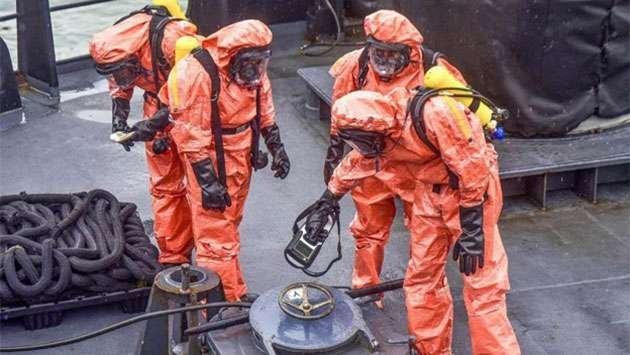
Under the framework of this cooperation, U.S. experts have been working closely with Sri Lankan counterparts to integrate advanced detection technologies. These include radiation portal monitors and handheld detection equipment, which allow customs and border patrol officers to scan cargo and baggage more efficiently without significantly disrupting the flow of trade. Beyond hardware, the program emphasizes specialized training for personnel, focusing on threat assessment, interdiction procedures, and the handling of sensitive materials.
“Securing the global supply chain against nuclear and radiological threats requires a multi-layered, international approach,” stated a security analyst familiar with the initiative. “By bolstering the capacity of maritime nations like Sri Lanka to act as a frontline of defense, we mitigate risks that extend far beyond regional borders.”
The collaboration underscores a deepening of the security partnership between the two nations, aligning with broader international efforts to implement the UN Security Council Resolution 1540, which calls on states to establish effective domestic controls to prevent the proliferation of nuclear, chemical, or biological weapons and their means of delivery to non-state actors.
For Sri Lanka, the enhancement of these capabilities is not only a matter of international compliance but also a domestic priority for ensuring national safety and economic stability. By modernizing detection infrastructure, the government aims to bolster its reputation as a secure and reliable maritime gateway.
While the technical details of the deployment remain sensitive for security reasons, the project is expected to be fully operational in the coming months. Both nations have expressed a long-term commitment to maintaining this collaborative framework, signaling that regular audits and additional training modules will be standard practice to keep pace with evolving technological threats. This initiative is seen as a key component of a stable and secure Indian Ocean region, where illicit smuggling remains a persistent challenge to global safety.
Disclaimer: This content is auto-generated for informational purposes only.
Source: Read Original News