








The Strategic Shift Toward Dual-Fuel Rail Infrastructure
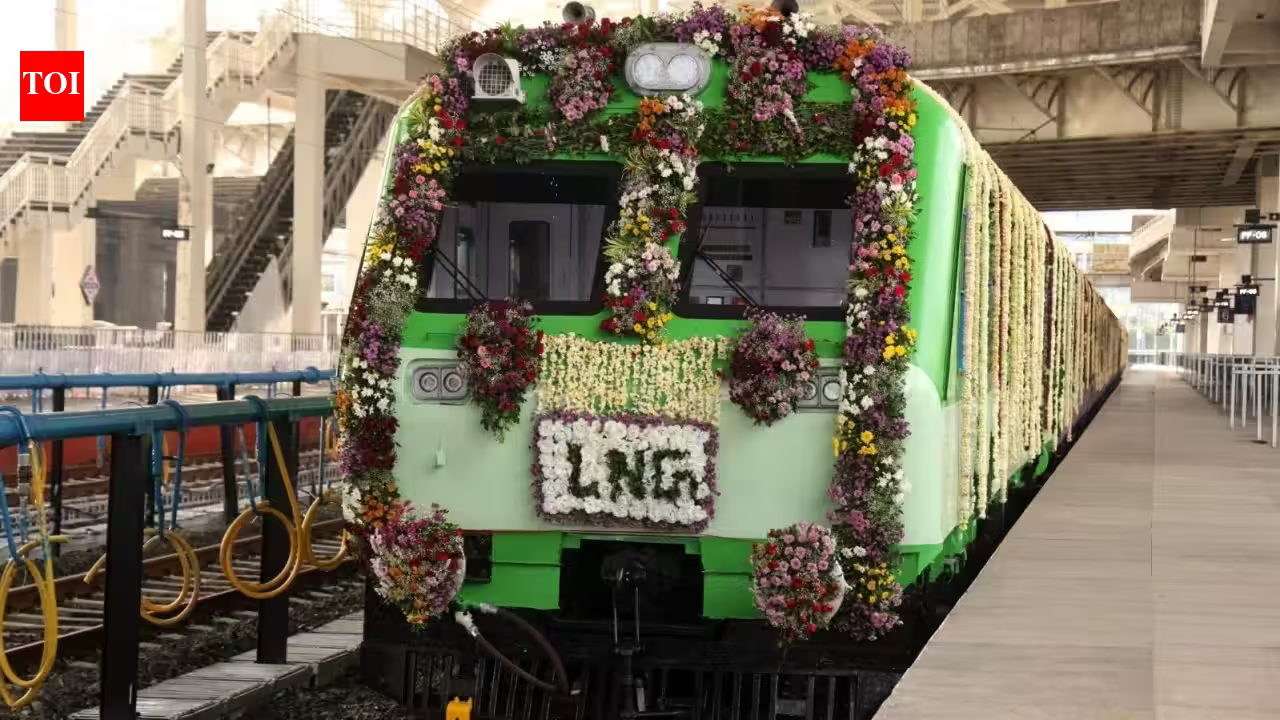
The recent inauguration of India’s first Liquefied Natural Gas (LNG) powered train in Sabarmati, Gujarat, marks a pivotal development in the nation’s efforts to decarbonize its extensive railway network. By integrating a dual-fuel diesel-plus-LNG system into its Driving Power Cars (DPCs), Indian Railways is actively testing the feasibility of bridging the gap between legacy diesel dependency and the future of clean energy. This technological intervention is designed to address immediate carbon emission targets while maintaining the operational robustness required by a high-capacity transport system.
The core of this innovation lies in the modification of DPCs, each boasting a 1,400 HP capacity. The dual-fuel configuration enables the engine to substitute approximately 40 percent of its diesel consumption with LNG. This is not merely an environmental adjustment but a calculated logistical maneuver. The system provides the railway with fuel flexibility; because the locomotives can revert to pure diesel if needed, the network minimizes the risk of supply chain disruptions, a critical factor for the world’s fourth-largest railway network. With each DPC equipped with a 2,200-liter LNG tank, these trains can cover roughly 1,600 kilometers before refueling, ensuring that the transition to cleaner energy does not come at the cost of operational efficiency or frequent downtime.
Economic and Operational Implications of LNG Adoption
From an analytical standpoint, the move to LNG serves a dual purpose: cost optimization and regulatory compliance. India, as a major importer of crude oil, faces significant exposure to volatile international energy markets. By reducing diesel consumption by 40 percent, Indian Railways is positioning itself to lower its operating expenditures significantly. This reduction in fuel costs, coupled with the lower price point of natural gas relative to diesel in many global markets, provides a compelling economic rationale for fleet modernization.
Furthermore, the data collected from over 2,000 kilometers of field trials suggests that the technology maintains the power output and torque levels expected of standard diesel locomotives. This is essential for the Indian terrain, where heavy freight and passenger loads require consistent, reliable horsepower. By lowering emissions of nitrogen oxides, particulate matter, and carbon dioxide without requiring a complete overhaul of the existing rolling stock, this dual-fuel approach serves as a pragmatic interim solution while more capital-intensive electrification and hydrogen projects reach full maturity.
Railway Electrification as the Backbone of Net Zero
While LNG and hydrogen represent critical pilot technologies, the overarching ambition of the Indian government remains 100 percent railway electrification. Home Minister Amit Shah’s recent remarks underscore the scale of this transformation, noting that the annual addition of electrified railway tracks has surged from a mere 75 kilometers in 2010-11 to 7,188 kilometers in 2023-24. Achieving 99.6 percent electrification is a milestone that places India significantly ahead of major economies like France, Spain, and the United Kingdom in terms of the percentage of its network under wire.
This push is central to the target of reaching net zero emissions by 2030. By transitioning from diesel to electric, the railway is effectively decoupling its energy consumption from fossil-fuel-burning internal combustion engines, leveraging the national grid, which is itself increasingly sourcing power from renewable sources such as solar and wind. The shift is already evident in the consumption metrics: the decline in annual diesel usage from 293 crore liters in 2015-16 to a projected 108 crore liters by 2024-25 is a testament to the effectiveness of this strategic pivot.
The Role of Infrastructure and Make in India
The inauguration of LNG-powered trains and the WAG-12 electric locomotives is part of a broader Rs 1,500 crore infrastructure expansion effort. The modernization of the Sabarmati Integrated Coaching Depot, the implementation of the Kavach train protection system, and the deployment of new maintenance sheds are all components of a cohesive industrial policy. The emphasis on “Make in India” is not merely rhetorical; it is reflected in the increased manufacturing capacity for locomotives and the domestic production of LBH coaches.
The deployment of the Kavach system, an indigenous automated train protection technology, represents the safety dimension of this modernization. As Indian Railways increases its speed and operational density, the reliance on automated signalling and safety protocols becomes as critical as the fuel source. By investing in these areas simultaneously, the government is building a systemic resilience that extends beyond simple sustainability. The focus is on creating an integrated, high-tech network that can support the burgeoning requirements of India’s domestic logistics and passenger transit sectors.
Future Prospects and Technological Integration
Looking ahead, the coexistence of electric, hydrogen, and LNG technologies in the Indian rail ecosystem suggests a multi-modal energy approach. Electric locomotives will continue to serve as the workhorses for high-density, long-haul trunk routes. However, LNG and hydrogen are likely to remain critical for areas where electrification is geographically challenging or where the speed of deployment is paramount.
The successful implementation of these projects signals to the global logistics industry that India is capable of scaling complex, localized engineering solutions to address global climate challenges. The government’s intent to reduce diesel dependence to zero by 2030 is an ambitious goal that requires not just the rollout of new technology, but the continuous upgrade of maintenance and storage infrastructure. As the country refines these dual-fuel capabilities, the data gathered will likely influence future fleet acquisitions and the decommissioning schedule of aging diesel engines.
The transformation of Indian Railways is reflective of a larger national mandate: to industrialize sustainably. The integration of LNG into the current power structure is a sophisticated, incremental step that preserves the reliability of existing mechanical assets while aggressively pursuing a cleaner environmental footprint. For stakeholders and industry observers, the progression of these trials will be a key indicator of how India manages the intersection of massive logistics demand and the urgent necessity for decarbonization in the coming decade.
Disclaimer: This content is auto-generated for informational purposes only.
Source: Read Original News