





The Evolution of Custom AI Assistants
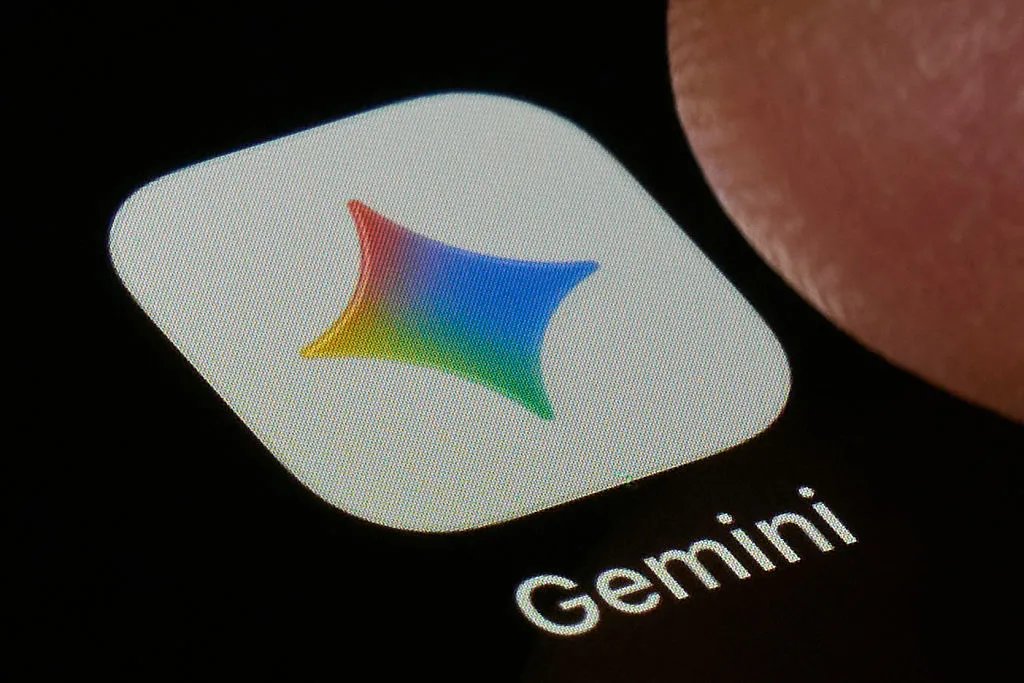
Google has announced a significant shift in its artificial intelligence strategy, confirming that the “Gems” feature within its Gemini platform will be discontinued. Launched in 2024, Gems served as a mechanism for users to create customized AI personas or assistants tailored to specific domains, such as coding, career guidance, or athletic training. By allowing users to define persistent instructions and stylistic guidelines, Gems aimed to reduce the repetitive labor of setting up context for every new chat session.
Despite their utility, Google is retiring the branded “Gems” interface to transition these capabilities into a new functional paradigm known as “skills.” This update, scheduled for implementation on November 17, 2026, marks an attempt to integrate specialized AI behaviors directly into the broader workflow of the Gemini application. Rather than treating these custom assistants as standalone entities, Google is moving toward a model where specialized logic is embedded into the core interaction flow of the chatbot.
Understanding the Transition to Skills
For users who have invested significant time in configuring their Gems, the transition is intended to be seamless. Google has confirmed that existing configurations will be automatically migrated to the new “skills” framework. This ensures that the underlying logic, behavioral instructions, and domain-specific knowledge established by the user remain intact throughout the architectural change. Users will not be required to manually recreate their custom instructions, nor will they lose access to the specialized output styles they previously relied upon.
The primary difference lies in how these tools are invoked within the interface. Under the current Gems system, users typically select a pre-configured assistant from a list, effectively switching the context of the entire conversation. The new skills system will rely on a command-line style interface. By typing a forward slash (/) within a task thread, users will be able to summon specific skills. This transition reflects a shift in design philosophy, moving from a curated list of “personalities” toward a more command-driven toolset that behaves more like a feature set within a single, continuous workspace.
Market Pressures and Competitive Landscape
The decision to reconfigure Gems comes at a time when the AI landscape is shifting toward all-in-one agents. Competitors such as Meta and various high-valuation startups like Instinct are gaining traction with platforms that prioritize fluid, natural interaction. These newer systems often operate under a “unified intelligence” model, where the agent anticipates requirements rather than requiring users to manually toggle between specific pre-built personalities.
By consolidating Gems into skills, Google appears to be prioritizing a more unified user interface that mirrors the seamless experience offered by these emerging all-in-one competitors. There is an implicit acknowledgment that the previous approach of segmenting assistants into discrete, named “Gems” may have introduced unnecessary friction for the average user. By embedding these capabilities directly into the chat stream via command triggers, Google aims to make advanced, specialized assistance more accessible without the need to exit the main conversational thread.
User Interface and Accessibility Concerns
While the migration promises to preserve user work, the change in how these tools are accessed raises questions regarding accessibility. The move to a command-based system—specifically the requirement to type a forward slash to access a list of skills—is a departure from the visual, icon-driven interface that characterized the Gem selection process.
This design choice favors efficiency for power users and developers, who are often accustomed to keyboard-centric navigation and syntax-based commands. However, it may present a steeper learning curve for casual users who benefited from the visual cues of the original Gems system. By moving away from distinct icons and branded workspaces, Google is gambling that the convenience of an integrated command structure will outweigh the loss of a more intuitive, visual-first selection process.
Google’s Long-Term Strategy for AI Personalization
This update is emblematic of a recurring theme in Google’s history: the frequent rebranding and restructuring of internal features. Critics often point to Google’s tendency to create specific, branded silos for features, only to later merge or dismantle them as the technology matures. While the company claims these actions are necessary to consolidate its product ecosystem, they can cause confusion for users who rely on consistent feature availability.
In this context, the transition from Gems to skills can be interpreted as a maturation step. Google is moving beyond the “experimental” phase of AI personalization, where developers test disparate features to see what gains traction, toward a more rigid and unified infrastructure. The long-term impact of this shift will likely be judged by whether the “skills” feature succeeds in delivering the same high-quality, task-specific results as the original Gems, while simultaneously offering a more cohesive and less fragmented user experience. As of mid-November 2026, the transition will finalize, and the utility of this new “slash-command” architecture will be put to the test by the broader user base.
Disclaimer: This content is auto-generated for informational purposes only.
Source: Read Original News