






As Brazil prepares for a pivotal transition in its executive leadership, the Association of Private Port Terminals (ATP) has issued a formal call to action, urging presidential candidates to prioritize the regulation and implementation of the General Environmental Licensing Law. The legislative framework, which was sanctioned in August 2025 to establish standardized rules for projects impacting natural resources, currently sits in a state of suspended animation, creating a climate of uncertainty for major infrastructure developers.
While the 2025 legislation was intended to streamline the approval process for activities with potential environmental footprints, its effectiveness has been hampered by significant presidential vetoes. By the close of 2025, a legal challenge was mounted by environmental organizations and the Socialism and Liberty Party (PSOL), which filed a Direct Action of Unconstitutionality (ADI) with the Federal Supreme Court (STF). This litigation, aimed at contesting the constitutionality of the vetoed provisions, remains pending, stalled by broader institutional crises currently affecting the nation’s highest court.
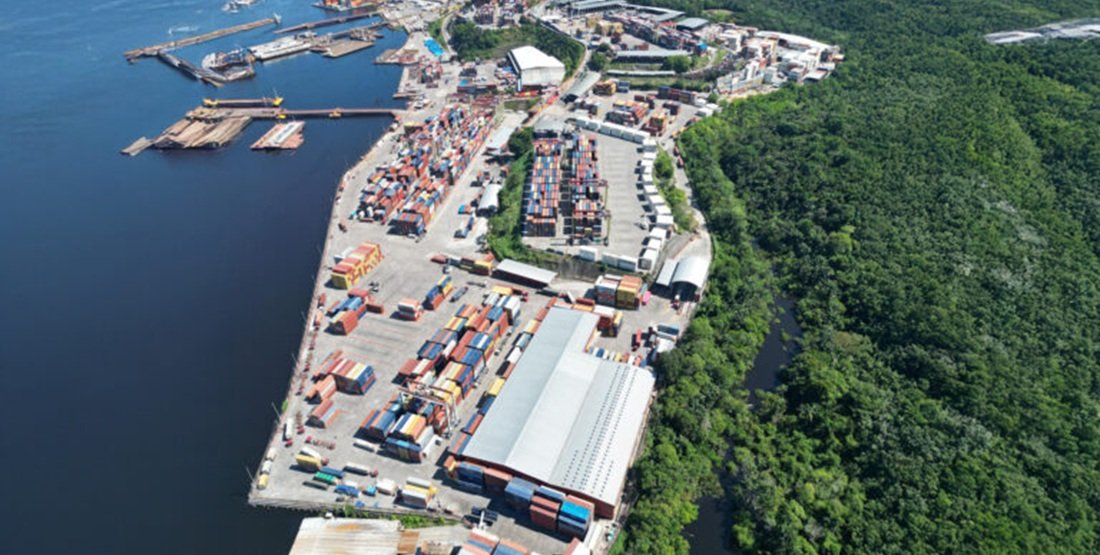
For the private port sector—a vital engine for Brazil’s agribusiness, mining, oil, gas, and steel supply chains—the delay is not merely a legal technicality but a practical barrier to growth. ATP argues that the absence of clear regulatory guidance prevents necessary long-term planning and deters the flow of capital into essential infrastructure. The association, backed by a broader coalition within the transportation sector, is pressing the incoming administration to treat the finalization of this law as a matter of national economic urgency.
Beyond the overarching framework of licensing, the ATP is calling for a more predictable application of International Labour Organization (ILO) Convention No. 169. The convention, which mandates the consultation of traditional and indigenous communities in projects that affect their territories, is currently applied with significant ambiguity in Brazil. The association advocates for standardized national guidelines that clearly define which communities are subject to consultation and establish strict, transparent timelines for these processes. By formalizing these steps, industry leaders hope to balance the rights of local populations with the operational requirements of large-scale logistics projects.
The focus on regulatory reform is accompanied by an urgent appeal for physical infrastructure improvements. Murillo Barbosa, CEO of ATP, emphasized that the efficiency of Brazilian ports is inherently tied to the quality of the transit corridors that surround them. “Ports connect Brazilian production to markets and depend on infrastructure that also works beyond their gates,” Barbosa stated. “We need the candidates to commit to improving access and ensuring legal certainty for new investments.”
A primary concern for the association is the regular maintenance of dredging operations in access channels and waterways, which are essential for maintaining the capacity of ports to accommodate modern vessels. Furthermore, the association has highlighted the chronic bottlenecks in road and rail access leading to port complexes. According to the ATP, these infrastructural constraints inflate transportation costs, eroding the competitiveness of Brazilian exports on the global stage.
As the political landscape shifts, the message from the private terminal sector is clear: long-term economic development is contingent upon a marriage of legal clarity and infrastructure investment. By addressing the current logjam in environmental licensing and resolving the complexities surrounding community consultations, the next administration faces a critical opportunity to unlock substantial private investment, stabilize national logistics, and ensure that Brazil’s port infrastructure can effectively support its expansive, export-driven economy. For now, the industry awaits a commitment from candidates that will translate these policy requests into actionable governance.
Disclaimer: This content is auto-generated for informational purposes only.
Source: Read Original News