








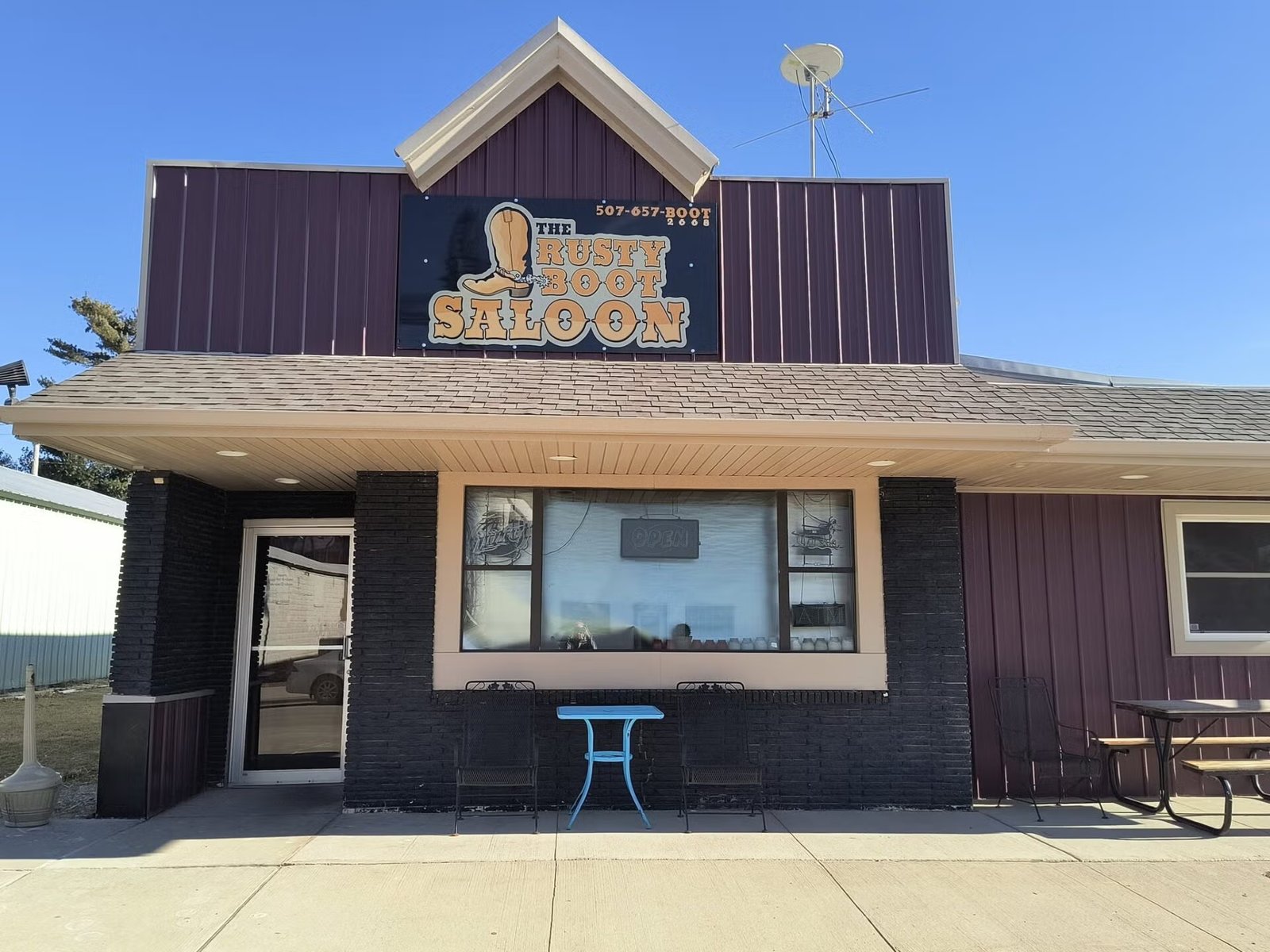
OSTRANDER — A staple of the local community, The Rusty Boot Saloon, has officially confirmed it will permanently close its doors this coming Saturday, October 3. The announcement, shared via the establishment’s social media channels this past Monday, has left patrons surprised, particularly as the business opted not to disclose a specific reason for the sudden cessation of operations.
The closure of such a localized brick-and-mortar business serves as a stark reminder of the shifting economic landscape, where small businesses are increasingly navigating the complexities of a digital-first world. As the hospitality industry continues to undergo a massive transformation driven by artificial intelligence and automated systems, the challenge of maintaining a traditional storefront has never been more pronounced.
The Digital Shift in Hospitality and Retail
For years, local establishments like The Rusty Boot Saloon have operated on a model driven by foot traffic and word-of-mouth. However, modern business success is now inextricably linked to digital discoverability. Platforms such as Google Maps and Google Business Profile have become the modern-day storefront, where real-time updates and search engine optimization (SEO) dictate whether a local business thrives or fades into obscurity.
The rapid advancement of AI-integrated search, such as Google’s Gemini-powered Search Generative Experience (SGE), is changing how customers interact with local businesses. When users search for “restaurants nearby” or “local nightlife,” AI now synthesizes information to provide curated recommendations. Businesses that fail to maintain updated digital footprints—or those that lack the data infrastructure to feed these AI models—often find themselves at a disadvantage, regardless of the quality of their service or product.
AI’s Growing Role in Small Business Survival
As the industry grapples with the permanent closure of businesses like this Ostrander saloon, industry experts are pointing to the integration of technology as a critical survival metric. Automated inventory management, AI-driven customer sentiment analysis, and dynamic pricing models are no longer the exclusive domain of global corporations.
Google’s ongoing push to integrate generative AI into its advertising and local search tools is designed to help smaller entities compete. For example, AI can now automatically generate ad copy, optimize local business photos, and even provide chatbots to handle reservations, allowing owners to focus on operations rather than technical maintenance. Despite these tools, the “digital divide” remains a major hurdle for many traditional businesses that may lack the time or resources to keep pace with these frequent tech updates.
The Economic Reality of Modern Local Commerce
The departure of The Rusty Boot Saloon underscores a broader trend: the consolidation of the service economy. In an era where online food delivery services dominate the market, businesses are forced to invest heavily in tech stacks that sync with third-party delivery apps. These platforms rely heavily on cloud computing and complex algorithms to manage logistics, often creating an environment where the overhead costs—ranging from cloud subscription fees to digital marketing spend—become insurmountable for smaller independent venues.
Furthermore, search engines are increasingly moving toward a “zero-click” future, where users receive answers directly on the search engine results page (SERP) without ever visiting a business’s website. While this creates a seamless experience for the consumer, it forces local business owners to be hyper-reliant on Google’s ecosystem to relay accurate information about their operating hours and status.
As the Ostrander community prepares for the final weekend of The Rusty Boot Saloon, the closure stands as a poignant case study. It highlights the immense pressure local businesses face in an economy where physical presence is increasingly defined by digital visibility. For those remaining, the lesson is clear: in the age of AI and real-time search indexing, maintaining a robust, updated, and tech-savvy digital presence is no longer optional—it is a requirement for survival.
Disclaimer: This content is auto-generated for informational purposes only.
Source: Read Original News