





The Epic Scale of ‘Ramayana: Rise of a Legend’: Why This Could Change Indian Cinema Forever
The rumors have finally been silenced, and the speculation has reached its definitive end. In a move timed perfectly to coincide with leading man Ranbir Kapoor’s birthday, the production team behind the most ambitious project in modern Indian cinema has officially pulled back the curtain. The film we have been colloquially referring to as Ramayana: Part 1 finally has its true identity: Ramayana: Rise of a Legend.
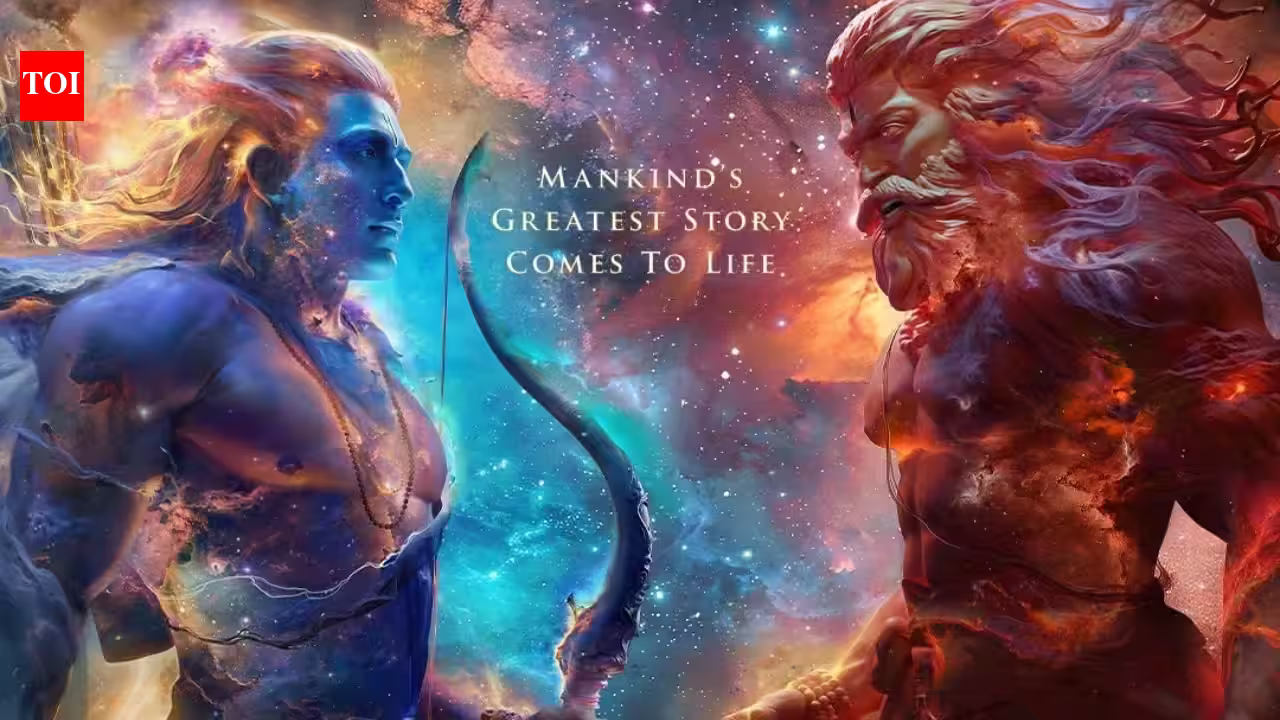
It isn’t just a title reveal; it is a declaration of intent. By pairing the announcement with a high-octane poster that invokes the visual legacy of global heavyweights like Dune and The Odyssey, the makers—led by director Nitesh Tiwari and producer Namit Malhotra—are signaling that they aren’t just making a Bollywood film. They are crafting a global event.
A Global Visual Pedigree
Perhaps the most telling detail in the latest promotional material isn’t the star-studded cast, but the fine print. The announcement proudly highlights that the visual artistry is helmed by the same team responsible for the sweeping, earth-shattering landscapes of Dune and the mythological grandeur of The Odyssey.
For the Indian audience, this is a massive shift in expectations. Historically, our mythological adaptations have been constrained by the limitations of domestic VFX budgets and a preference for stagey, theatrical aesthetics. With Rise of a Legend, the production is clearly aiming for a photo-realistic, visceral, and expansive experience that rivals the biggest tentpole films coming out of Hollywood. They are selling the film not just as a retelling of an ancient text, but as an “immersive 3D cinematic experience,” specifically optimized for IMAX and premium large-format screens. This is a clear play for the global box office, aiming to translate the soul of India’s most cherished epic into a visual language understood by every corner of the world.
The Ranbir-Yash Face-Off: Casting the Gods
At the center of this hurricane is, of course, the casting. Ranbir Kapoor as Lord Ram has been a subject of intense scrutiny and anticipation for months. Kapoor, who has spent the last decade perfecting the “everyman” or the “complex anti-hero,” is now stepping into the most rigid and revered archetype in Indian culture. The poster offers us a glimpse of that stoicism—a quiet intensity that suggests a portrayal grounded in grace rather than just performative spectacle.
On the other side of the divide, we have the powerhouse that is Yash. The KGF star, fresh off the back of becoming a pan-Indian phenomenon, is taking on the mantle of Ravana. While the poster teases the confrontation, it leaves much to the imagination regarding the specific aesthetic of the antagonist. Will we see a traditional depiction, or will the makers lean into the “greatest scholar and devotee” aspect of Ravana’s complex character? With Yash’s screen presence, one thing is certain: the clash between Ram and Ravana will be the cinematic equivalent of a tectonic plate shift. Alongside them, Sai Pallavi as Sita promises a performance of gravitas and emotional resonance, rounding out a trio that carries the weight of a billion expectations.
Nitesh Tiwari’s Masterclass in Scale
Director Nitesh Tiwari is a fascinating choice for a project of this magnitude. Known primarily for grounded, heart-tugging dramas like Dangal and Chhichhore, Tiwari’s strength has always been in capturing human vulnerability. Moving from the wrestling mats of Haryana to the celestial battlefields of the Ramayana is a gargantuan leap, but it’s one that suggests a deliberate strategy: the makers don’t want a hollow spectacle. They want a film that breathes.
By mounting this as a two-part adaptation, Tiwari and producer Namit Malhotra are granting themselves the luxury of pacing. The greatest challenge of adapting the Ramayana is the sheer density of its plot. By splitting it, the creative team has the space to delve into the philosophy of the epic rather than rushing through the highlights. It allows for character development that feels earned, ensuring that when the “Rise of a Legend” leads into its successor, the audience is emotionally invested in the stakes, not just the strobe-lit action sequences.
November 6: The Worldwide Reckoning
The decision to release Ramayana: Rise of a Legend on November 6 is strategic. It positions the film to capture the post-Diwali fervor, where families flock to theaters in droves. But more importantly, the international release strategy—releasing simultaneously in Hindi and English—marks a pivotal moment for the Indian industry.
For years, Indian cinema has looked toward the West, hoping for a “crossover” moment. Rise of a Legend feels less like a crossover and more like a takeover. By leveraging IMAX technology and a global VFX pipeline, the makers are essentially daring the international market to ignore them. When the screen lights up with that 3D immersion, it won’t matter if the viewer is in a multiplex in Mumbai or a theater in Manhattan; the goal is to make the legend feel immediate, dangerous, and majestic.
Can It Carry the Weight of History?
The Ramayana is not just a story in India; it is a foundational pillar of culture, spirituality, and identity. Attempting to bring it to life on this scale carries inherent risks. Critics will be looking for authenticity, traditionalists will be watching for missteps, and the average moviegoer will be looking for a thrill.
However, looking at the meticulous way this project has been built—from the deliberate choice of visual partners to the slow-burn, calculated marketing—it is clear that Ramayana: Rise of a Legend is the result of years of planning. If the film succeeds, it will define the next decade of Indian filmmaking. If it stumbles, it will serve as a harsh lesson on the perils of adapting the sacred. But for now, as we wait for that first teaser trailer to shatter our screens, we can safely say one thing: the legend is rising, and it is going to be impossible to look away.
Disclaimer: This content is auto-generated for informational purposes only.
Source: Read Original News