







The Divine Casting: Why Arun Govil Believes Ranbir Kapoor is the Modern-Day Lord Ram
In the vast, cinematic landscape of Indian storytelling, few projects carry the weight of expectation that accompanies Nitesh Tiwari’s upcoming adaptation of the Ramayana. When you are tasked with bringing a foundational pillar of Indian culture and spirituality to the big screen, the margin for error is non-existent. But as the production gears up for its highly anticipated release, a new behind-the-scenes glimpse has surfaced, offering more than just visuals of grandeur—it offers a symbolic passing of the torch.
Arun Govil, a man whose identity became synonymous with Lord Ram following his legendary performance in Ramanand Sagar’s 1987 television classic, has broken his silence on why Ranbir Kapoor is the right man to step into the divine role. His endorsement isn’t just a polite nod to a co-star; it is a profound observation of the character, the actor, and the weight of the legacy being carried.
A Legacy Transcending Generations
For decades, Arun Govil has been the face of Ram for millions. His portrayal in the eighties wasn’t just acting; it was a cultural phenomenon that saw audiences treat the actor with the same reverence reserved for the deity himself. When Govil speaks about the Ramayana, he speaks with the gravitas of a custodian of heritage.
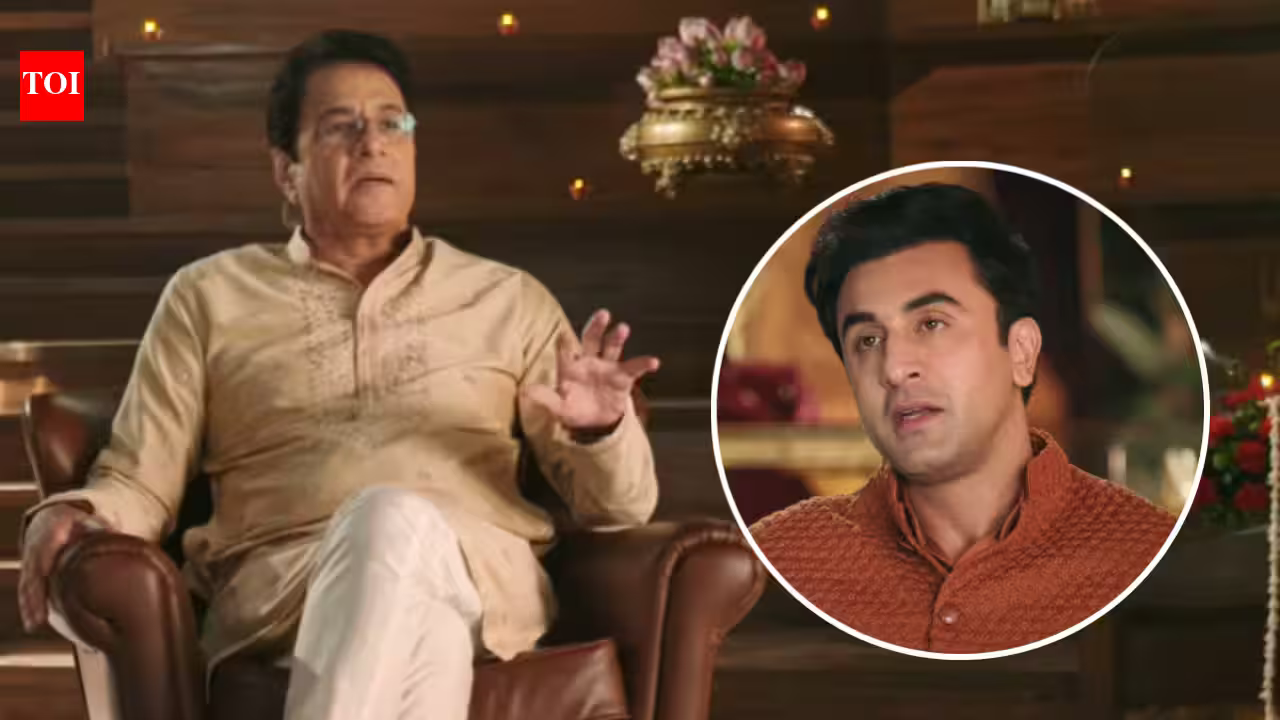
“Ramayan cannot be defined,” Govil remarked in the recently released BTS video, his voice carrying that familiar, meditative cadence. “It is our pride, our honour, our glory, our culture, and our heritage. Everything about us, everything for us, is Ramayan.”
By framing the project this way, Govil immediately sets the stakes. This isn’t just another Bollywood blockbuster; it is a cinematic attempt to distill the soul of a civilization. Having someone like Govil involved—not just as an advisor or a legend, but playing King Dashrath—acts as a vital bridge between the nostalgic reverence of the past and the technical, narrative ambition of the future.
Why Ranbir Kapoor? The “Quiet” Divinity
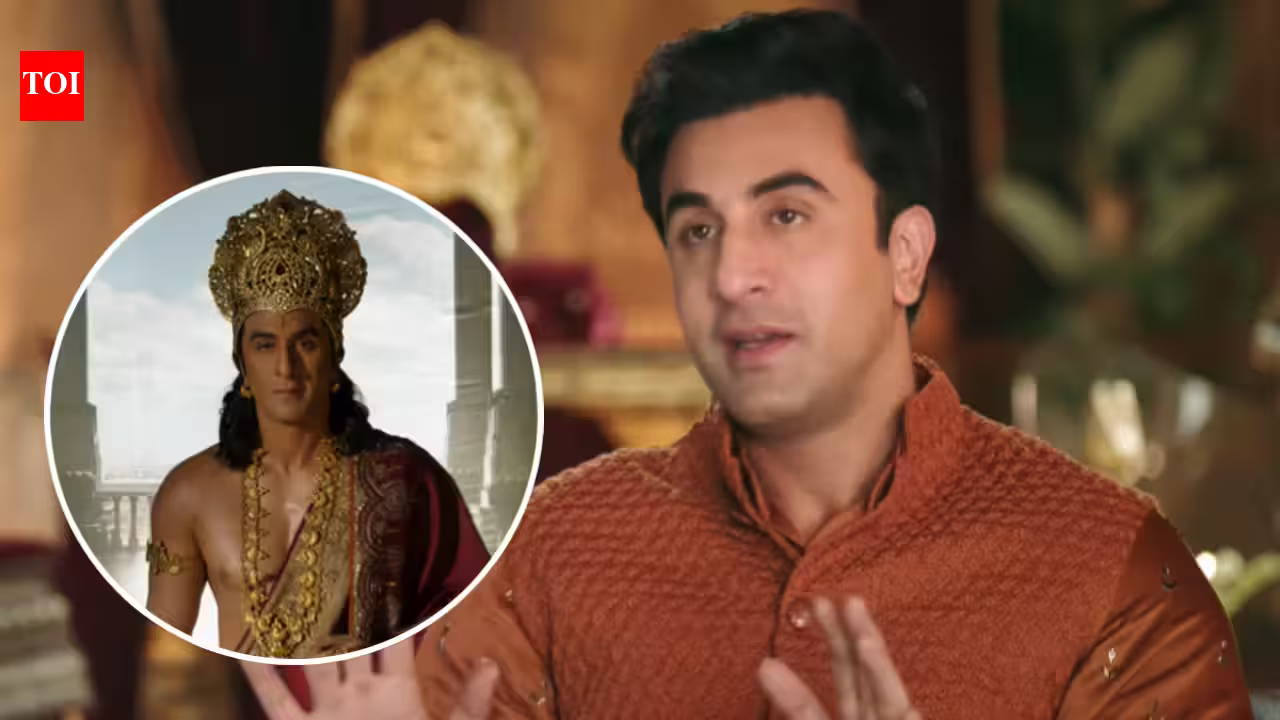
The casting of Ranbir Kapoor as Lord Ram was met with the kind of intense, polarized debate that defines modern Indian pop culture. Kapoor, known for his edgy, contemporary, and often morally ambiguous roles in films like Rockstar, Tamasha, and Animal, seemed an unconventional choice to many. However, Arun Govil offers a perspective that cuts through the noise of skepticism.
According to Govil, the qualities of Ram—the way he walks, sits, gazes, and speaks—are not just performance cues; they are an internal temperament that Kapoor has managed to tap into. “Among all the young stars currently available, Ranbir is the closest to being able to play Ram,” Govil asserts.
What makes this endorsement particularly compelling is the anecdote Govil shares regarding the behind-the-scenes dynamic. In an industry where stardom often breeds a certain level of detached ego, Govil reveals a side of Kapoor that aligns with the humility associated with the character he is portraying. “Normally, you don’t expect a star to come and touch your feet,” Govil shared. “He always does it.”
This simple act of humility seems to have resonated deeply with the veteran actor. It suggests that Kapoor’s immersion into the role isn’t limited to the cameras; it’s an active engagement with the spirit of the character. For Govil, this is the differentiator. He isn’t looking for a “star” to play Ram; he is looking for an actor who understands the quiet, grounding nature of the figure, and it appears he has found that in Kapoor.
The Architect of the Vision
The burden of this mammoth task rests heavily on director Nitesh Tiwari and producer Namit Malhotra. Tiwari, a filmmaker known for his grounded storytelling in Dangal and Chhichhore, seems to have prioritized an atmosphere of reverence on set. By bringing together a cast that includes Sai Pallavi as Sita and Ravie Dubey as Lakshman, alongside the wisdom of Govil, the production is signaling a desire to balance modern VFX-led spectacle with traditional emotional authenticity.
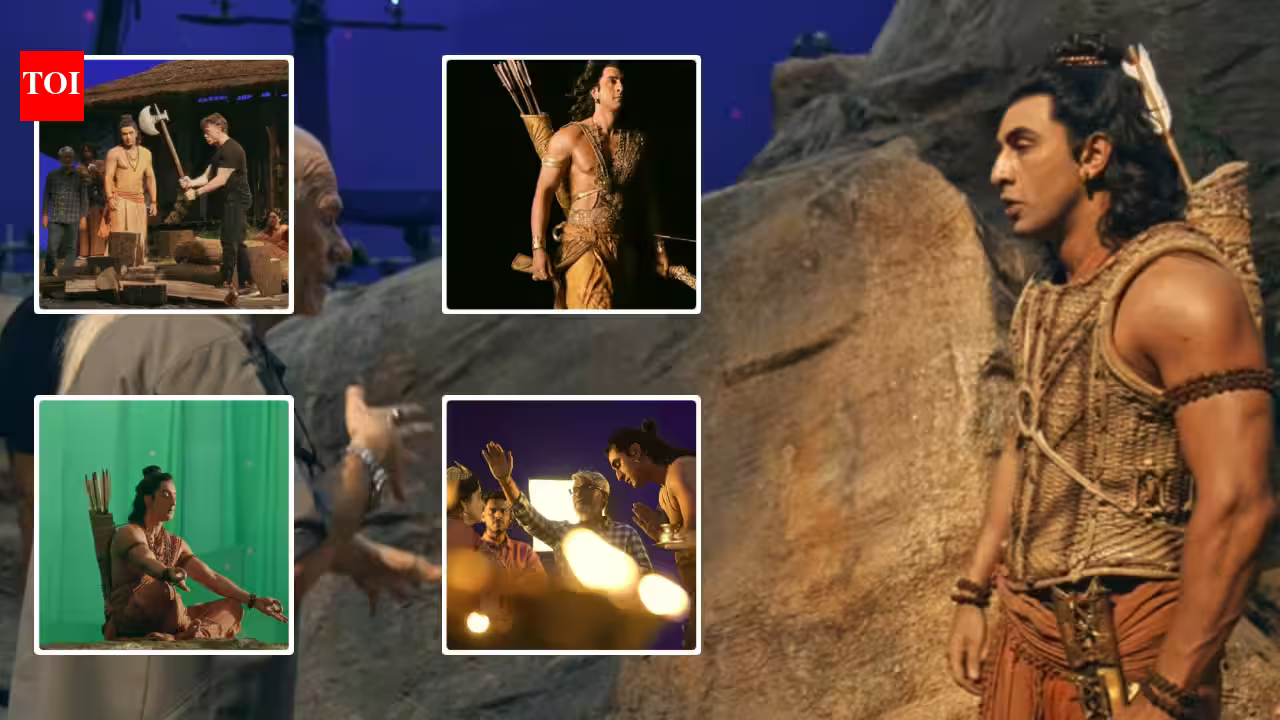
The behind-the-scenes footage reveals a collaborative environment where the actors seem to be treating the material with the solemnity of a religious ritual. The inclusion of Sai Pallavi is another tactical win for the makers, as her reputation for grace and gravitas aligns perfectly with the popular perception of Sita. Together, the cast represents a fusion of talent that seems intended to bridge the gap between older generations who grew up on the television epic and a younger, globalized audience that has yet to engage with the Ramayana in such a grand, immersive format.
November 2026: The Date with Destiny
As we look toward the scheduled release of Ramayana: Part One on November 8, 2026, the industry is bracing for a tectonic shift. The film is undeniably the most ambitious project of its era. Whether it manages to capture the lightning-in-a-bottle magic of the original 1987 series or charts a bold new path remains to be seen.
However, the seal of approval from Arun Govil acts as a significant buffer against the inevitable scrutiny. When the man who lived the role for years says that the current occupant of that role possesses the “walk, the look, and the soul,” the audience is bound to pay attention.
Ranbir Kapoor is entering the most defining phase of his career. If he manages to translate Govil’s observations onto the screen—moving past his own star persona to inhabit the quiet, rooted strength of Lord Ram—it won’t just be a successful performance. It will be a redemption of the very idea of the “epic film.”
Until then, we are left with these snippets of insight: a veteran legend, a powerhouse director, and a young star, all united by a single, monumental story. If the behind-the-scenes energy is any indication, the Ramayana is being built with more than just CGI—it’s being built with the deliberate, careful, and deeply respectful intent of those who know exactly how high the bar is set.
Disclaimer: This content is auto-generated for informational purposes only.
Source: Read Original News