







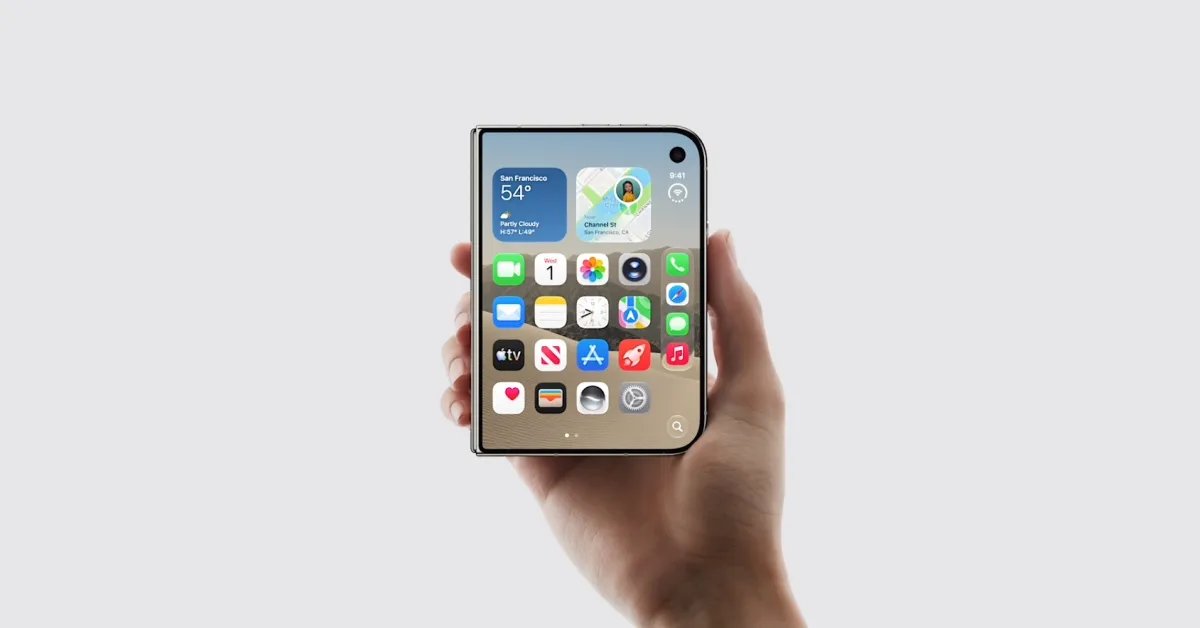
The impending launch of the iPhone Duo marks a significant pivot for Apple’s hardware ecosystem. As the company’s first entry into the foldable category, this device introduces a new paradigm for mobile productivity and interaction. With the official release scheduled for late October 2026, anticipation is building for the hardware ecosystem required to maximize the device’s unique folding display and enhanced software capabilities.
Apple Pencil Integration and Productivity
One of the most notable technical shifts with the iPhone Duo is the introduction of Apple Pencil support, a feature previously reserved for the iPad line. According to Apple, this integration will arrive via a post-launch software update. It is critical to note that compatibility is restricted exclusively to the Apple Pencil (USB-C) model.
The foldable architecture, which reflects the dimensions of a standard A-series notebook, makes the device a portable canvas for handwritten notes, sketches, and annotations. Users can utilize the Pencil on both the internal folding panel and the external cover display. This functionality changes the iPhone from a purely consumption-based device to a primary tool for content creation, bridging the gap between mobile phone and tablet utility.
Fast Charging Requirements
The iPhone Duo incorporates advanced battery management to support its dual-display configuration, including a fast-charging protocol capable of reaching 50 percent capacity in approximately 20 minutes. To achieve these metrics, power delivery remains a critical consideration, as Apple does not include a power adapter in the retail packaging.
To ensure optimal charging performance, users should utilize adapters that support Power Delivery (PD) standards at 40W or higher. While many existing 20W chargers will provide power, they will not engage the peak charging speeds supported by the Duo’s internal circuitry. High-output solutions, such as the Apple 40W Dynamic Power Adapter or third-party 100W gallium nitride (GaN) bricks, are the recommended hardware paths for users prioritizing minimal downtime between charges.
MagSafe Mounting for Mobile Integration
The foldable nature of the iPhone Duo requires robust stabilization, especially when used in automotive environments. MagSafe technology remains the standard for mounting, and current high-quality magnetic car mounts—such as those produced by ESR—are expected to offer seamless compatibility with the new device.
Beyond basic navigation, the iPhone Duo stands to benefit from the screen real estate when paired with CarPlay. In a typical setup, the vehicle’s infotainment system handles the primary navigation map, while the iPhone Duo can function as a secondary display for step-by-step turn guidance or media management. The magnetic alignment ensures the device remains secure, while the orientation flexibility of the mount allows users to position the Duo to best suit their cabin layout.
Protective Folios and Structural Considerations
Given the $1,999 starting price, protection is a primary concern for early adopters. The hinge mechanism and expansive flexible screen necessitate specialized cases. Apple has introduced a dedicated iPhone Duo Folio with a built-in kickstand, which serves the dual purpose of device protection and providing a stable base for the device in “standing” mode.
Third-party manufacturers are also preparing a range of form-fitting cases that account for the device’s dual-body design. Beyond providing impact resistance, these cases are often the first step for users to handle the dimensions and ergonomics of the device before committing to the premium hardware. Pre-ordering cases can also serve as a practical way to assess how the device will fit in pockets or bags given its unique vertical folding profile.
Enhanced StandBy Mode and Smart Home Control
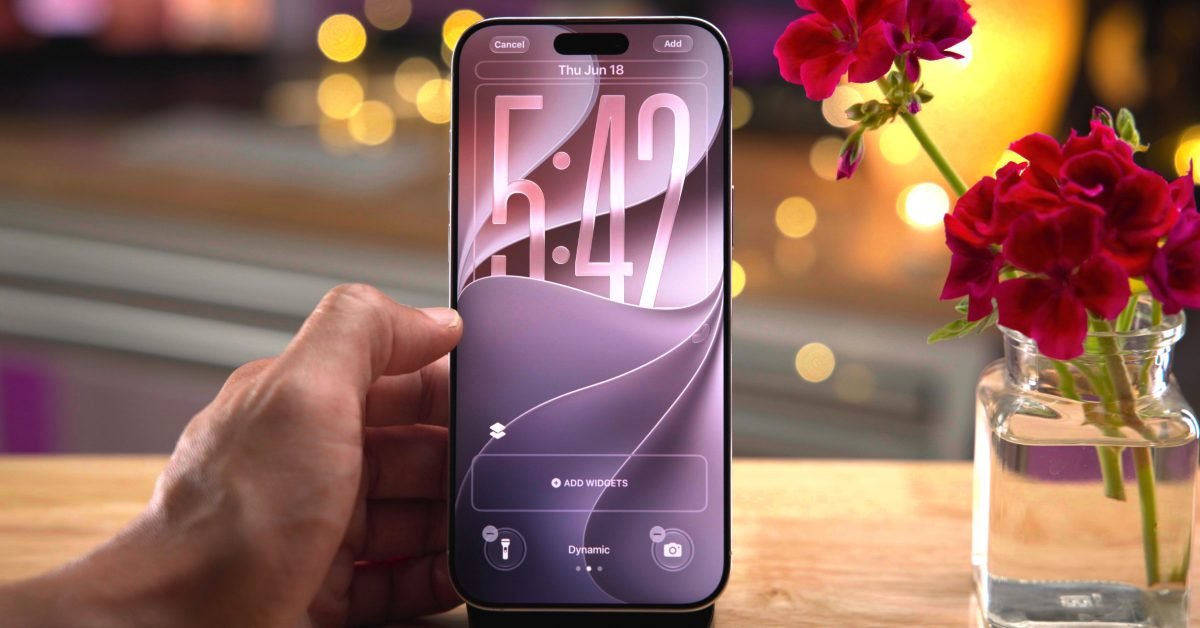
The iPhone Duo introduces an evolutionary step for the StandBy feature. On current iPhone models, StandBy is active primarily while the device is charging and positioned in landscape orientation. With the Duo, the device can maintain functional StandBy views even when not connected to power, leveraging its ability to stand on its own hinge.
New software views, specifically “Home Camera” and “Home Modular,” are designed to turn the device into a desktop control hub. These views provide real-time updates and quick access to HomeKit-compatible smart home devices, such as security cameras. For users integrated into the Apple Home ecosystem, the iPhone Duo acts as a dedicated monitoring station, allowing for instant visual confirmation of home security feeds without requiring the user to navigate through complex apps or menus. This application leverages the folding display to prioritize efficiency and constant, glanceable information.
Disclaimer: This content is auto-generated for informational purposes only.
Source: Read Original News