








The Evolving Landscape of Indian Higher Education: Insights from Rudra Pratap
The Indian higher education sector is currently navigating a period of profound transformation, driven by the dual imperatives of global competitiveness and the foundational shifts mandated by the National Education Policy (NEP) 2020. Rudra Pratap, a prominent voice in academic administration and research, has consistently highlighted that for Indian institutions to transcend their current limitations, they must move beyond rote learning and prioritize a culture of inquiry, interdisciplinary research, and institutional autonomy.
Redefining the Objective of Examinations
A recurring theme in the discourse surrounding Indian education is the pervasive “culture of testing.” For decades, the system has prioritized high-stakes examinations—often centered on memory recall—over the assessment of critical thinking or creative problem-solving. Pratap argues that as long as examinations remain the primary terminal objective, the learning process will remain stagnant.
True academic excellence requires a shift toward continuous, formative assessment. By moving away from standardized, once-a-year evaluations, institutions can encourage students to engage with subjects in a more nuanced manner. This shift not only reduces the immense psychological pressure on students but also allows educators to track progress in real-time, providing feedback that fosters genuine intellectual growth rather than mere grade maximization.
The Institutional Mandate: From Teaching to Knowledge Creation
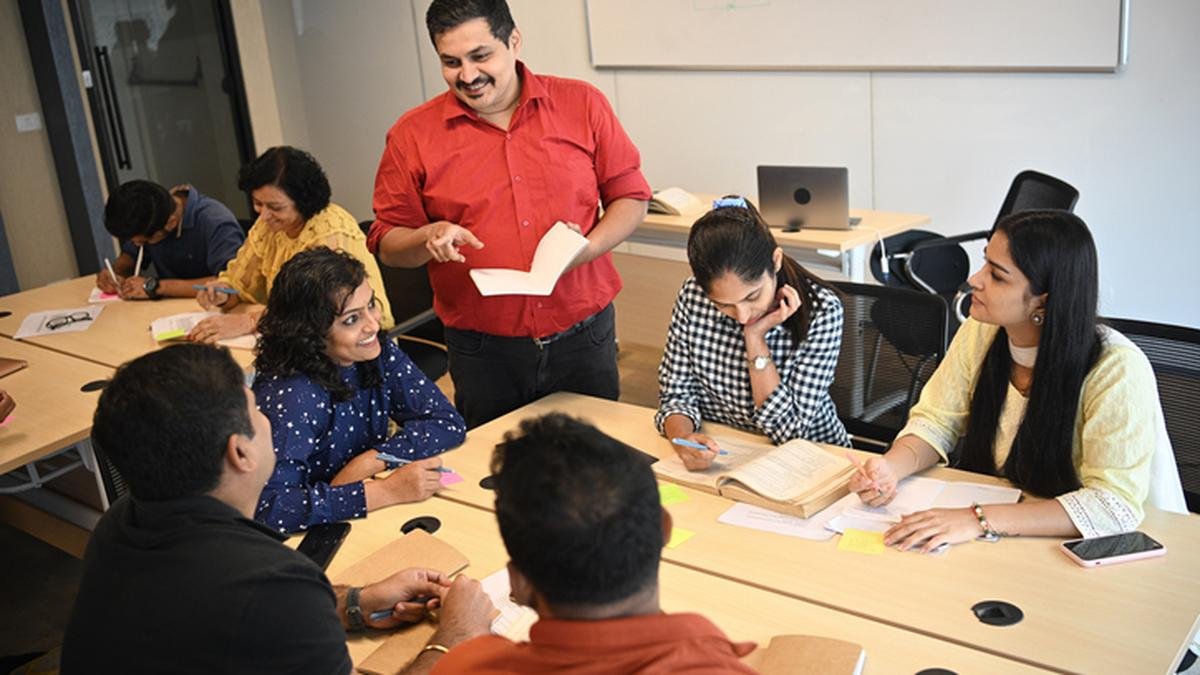
Indian institutions have long been characterized by a primary focus on teaching. While pedagogical quality is essential, Pratap emphasizes that top-tier global universities distinguish themselves as centers of knowledge creation. For an institution to thrive in the 21st century, it must integrate research into the undergraduate experience.
This involves moving away from the siloed departmental structure that has historically constrained Indian colleges. Modern challenges—ranging from climate change to artificial intelligence—do not respect academic boundaries. Consequently, institutions must foster interdisciplinary environments where students are encouraged to draw connections between disparate fields. This interdisciplinary approach is not merely an educational preference but a functional necessity in a rapidly evolving global workforce that prizes versatility and adaptive intelligence.
Policy Implementation and the Autonomy Challenge
The NEP 2020 provides a comprehensive roadmap for these structural changes, yet the challenge, as Pratap notes, lies in the “middle-management” of policy: implementation. A central pillar of the policy is the granting of greater autonomy to high-performing institutions. Autonomy is the engine of innovation; it allows institutions to design curricula that are responsive to industry trends and local needs without being shackled by bureaucratic rigidity.
However, autonomy brings with it the responsibility of accountability. Pratap suggests that the focus should shift from input-based regulation—such as monitoring student-faculty ratios or infrastructure specifications—to outcome-based metrics. This means assessing the impact of graduates on society, the quality of research publications, and the institution’s ability to foster industry-academia collaborations.
Cultivating a Learning Mindset
Beyond policy and infrastructure, the most significant change required is cultural. There is an urgent need to de-stigmatize failure within the learning process. In many Indian institutions, the fear of failure often discourages students from taking intellectual risks. An environment that promotes inquiry-based learning must inherently be one where curiosity is rewarded, and mistakes are viewed as essential components of the scientific and creative process.
As Indian institutions aim to climb global rankings, they must recognize that reputation is built on the strength of their internal culture. By fostering a climate that values academic rigor over rote memorization, and research engagement over textbook dependency, India can transition from being a consumer of global knowledge to a pioneer in generating it.
In conclusion, the insights offered by academic leaders like Rudra Pratap remind us that policy is merely the framework; the substance of education remains in the hands of the institutions. By prioritizing genuine learning over credentialism and empowering the next generation of students with the tools of critical inquiry, India’s higher education sector can successfully meet the demands of a dynamic and interconnected world. The path forward lies in integrating the systemic reforms of the NEP with a robust commitment to autonomy, research, and holistic student development.
Disclaimer: This content is auto-generated for informational purposes only.
Source: Read Original News