




Jaishankar Signals Progress on India-US Trade Deal, Cites Complex Ground Realities
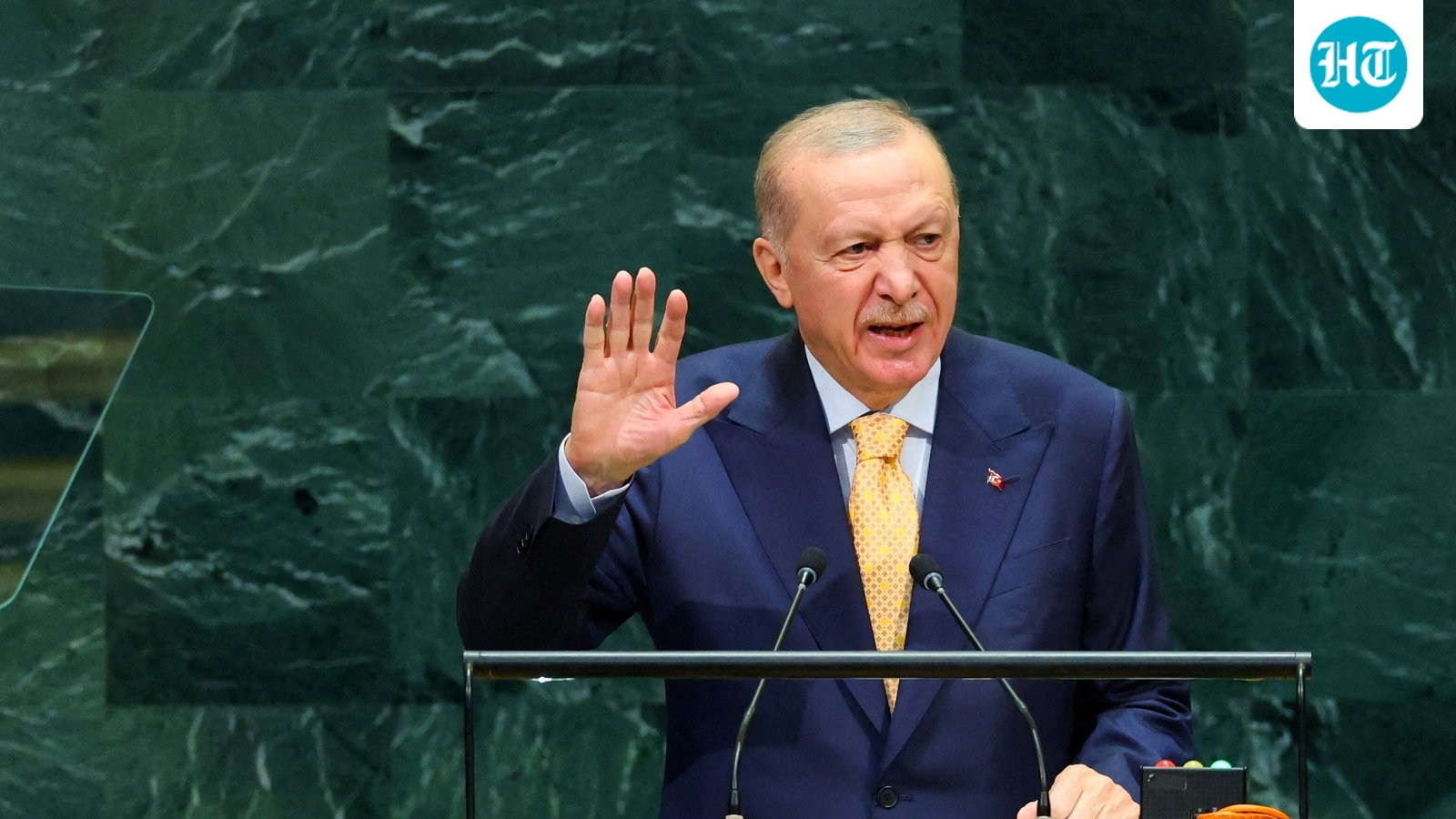
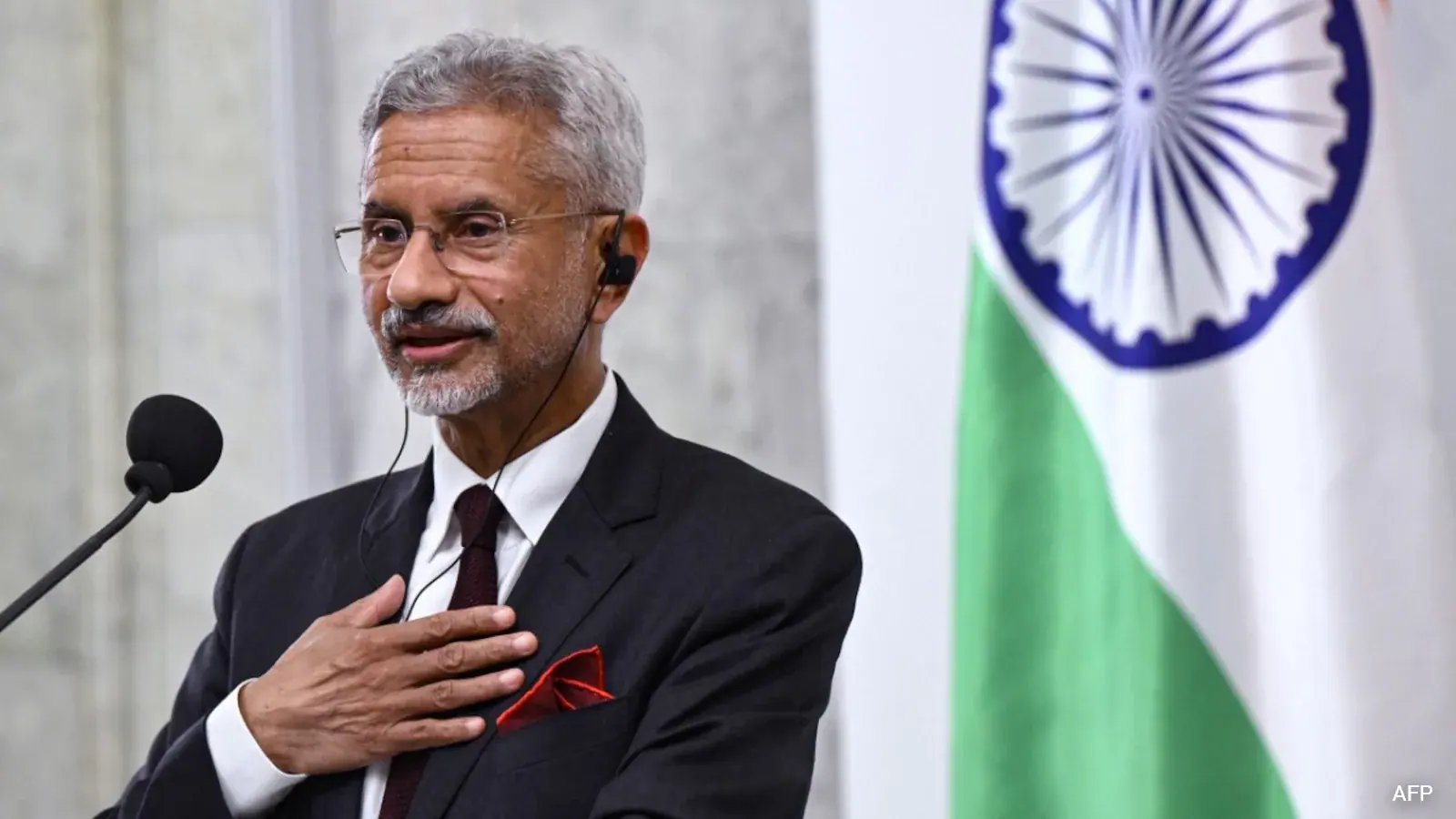
New York: External Affairs Minister S Jaishankar has expressed optimism regarding the long-pending India-US trade agreement, noting that both nations have reached a stage where there is a general consensus on the pact. Speaking at an event hosted by the Asia Society on the sidelines of the 81st session of the UN General Assembly, the minister emphasized that concluding the deal would significantly bolster bilateral ties, which have faced periodic friction due to trade complexities.
Jaishankar acknowledged that the negotiation process has proven more time-consuming than initially anticipated. He attributed this to the starkly different socio-economic structures of the two nations. “India is a society of small producers, small agriculture producers, and small factories,” he explained. “Beyond the per capita income disparity, the nature of our production and society is vastly different. Such trade negotiations require significant patience and attention to detail, which often clash with the expectation of rapid progress.”
Navigating Tariff Hurdles
The roadmap for the trade agreement, which was initially outlined in February, has faced several setbacks due to a shifting tariff landscape in the United States. Following the US Supreme Court’s decision to invalidate certain reciprocal tariffs under previous emergency powers, Washington shifted to a new framework. Tensions were further complicated in July when the US imposed a 10 percent tariff on specific Indian imports under Section 301 of the Trade Act, citing concerns over “forced labour.”
Jaishankar noted that these evolving policies, particularly the unfolding Section 301 process, remain a primary point of discussion. “The issue for us is at what point do we finalize an agreement that is otherwise very far advanced,” the minister stated, adding that the protracted delay in reaching a resolution had created some “bumps” in the diplomatic relationship over the past year.
The Role of Public Opinion and Mobility
During his address, the External Affairs Minister also reflected on the broader challenges facing modern diplomacy. He pointed out that the “economics of mobility” and the “politics of mobility” are currently at odds, influencing bilateral ties. In an era dominated by social media, he noted that public opinion in democratic nations plays a greater role in foreign policy than ever before, forcing governments to balance domestic sentiment with international commitments.
Next Steps for Trade Talks
While Jaishankar emphasized the need for a realistic approach to these ongoing negotiations, there is a sense of urgency from the Indian government to bring the deal to fruition. Commerce and Industry Minister Piyush Goyal recently described the pact as “done and dusted,” pending only the final assurance that India will receive the necessary competitive advantages in the US market to rival exports from China, Bangladesh, and ASEAN nations.
Minister Goyal is scheduled to visit the United States between September 29 and October 5. During this trip, he is expected to hold critical discussions with US Trade Representative Jamieson Greer, with both sides hoping to finalize the framework that will place the India-US economic partnership on a firmer, more positive trajectory.
Disclaimer: This content is auto-generated for informational purposes only.
Source: Read Original News