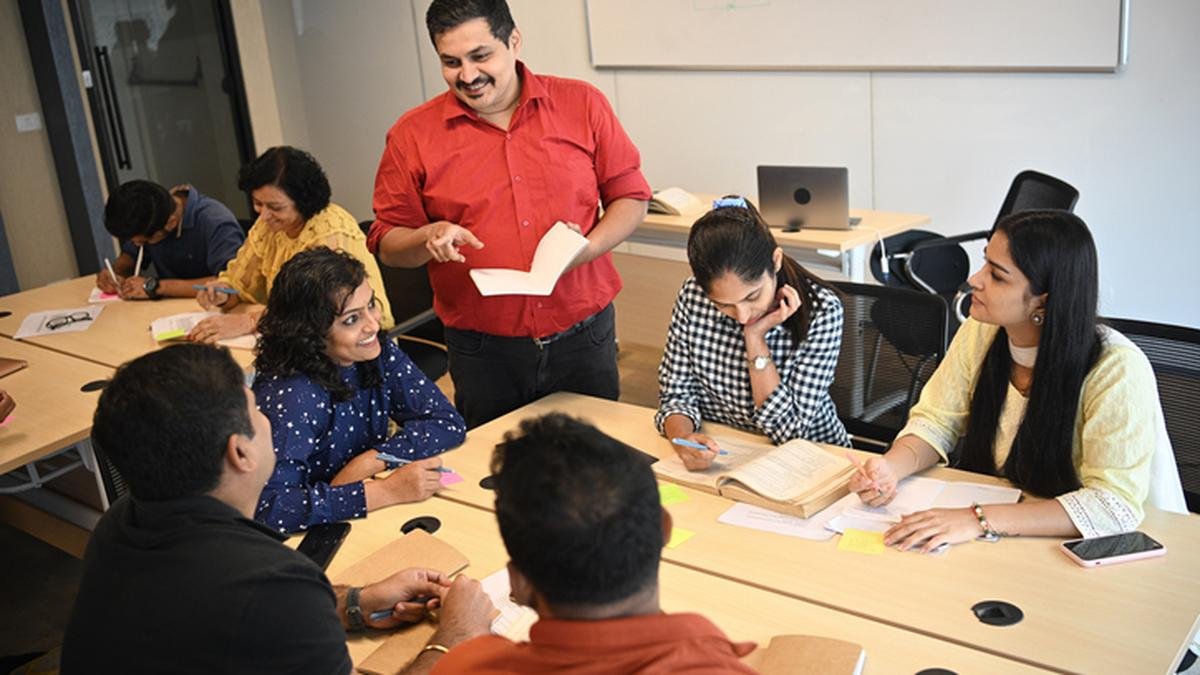








The quietest moments in a management classroom are often the most revealing. When a professor presents a complex case study, the room holds its collective breath—not waiting for the “correct” answer, but waiting to see if anyone dares to challenge the premise. That momentary hesitation, that tentative, “Sir, perhaps there is another way of looking at this,” is where the true work of education happens.
However, as the Free to Think 2026 report by Scholars at Risk highlights, the space for that hesitation is shrinking. Between July 2025 and June 2026, the report documented 382 attacks on higher-education communities across 59 countries. With nearly 40% of these incidents involving student expression, the erosion of academic freedom has become a global concern. From the “severely restricted” academic climate in India to contentious governance battles in the U.S. and new regulatory frameworks in Britain, the environment for open debate is facing unprecedented pressure.
When Institutions Stifle Debate
When universities move to cancel lectures, disrupt campus discussions, or respond to dissent with disciplinary action, the cost is not just academic—it is pedagogical. Whether it involves the cancellation of a history lecture or the fallout from a student crisis, the primary casualty is the learning process.
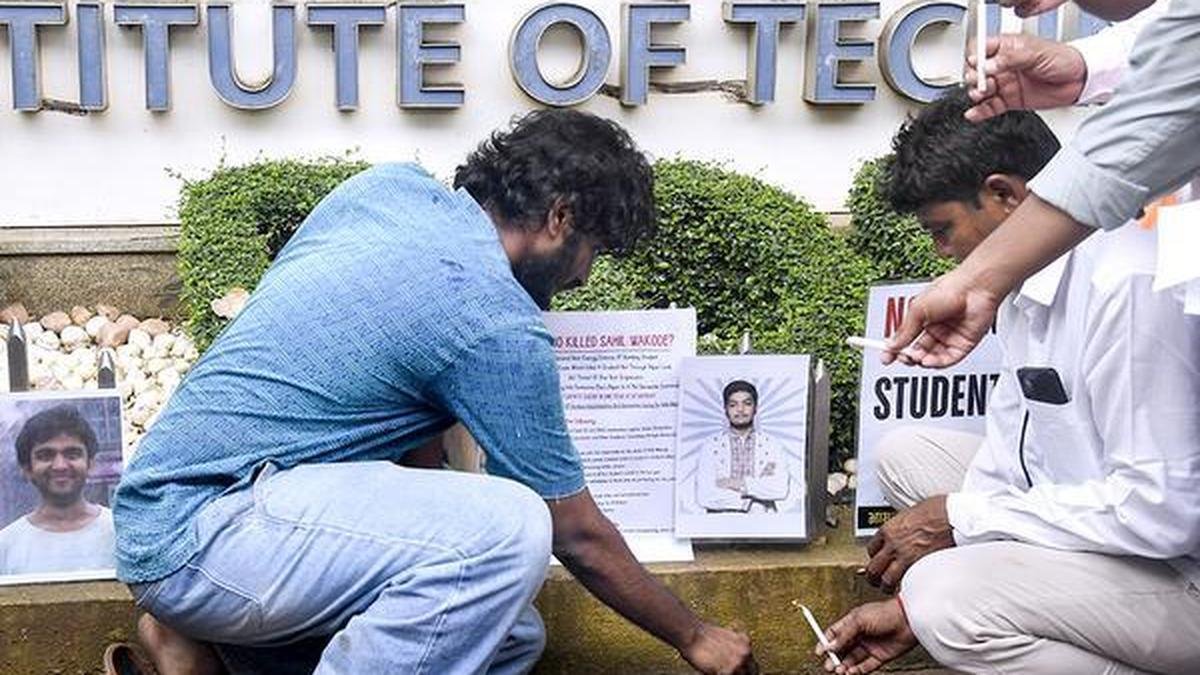
The tragedy at IIT-Bombay serves as a sobering reminder of what happens when the link between students and institutional processes snaps. When students feel that grievance mechanisms are distant, or that authority is immovable, the university ceases to be a laboratory for ideas and becomes a site of anxiety. Effective management of a university requires more than just rules; it requires credible channels for students to question, review, and influence the policies that govern their lives.
The Business Case for Dissent
The irony for modern management schools is that while they are rushing to integrate AI into the curriculum, they are occasionally neglecting the one skill AI cannot replicate: the capacity for critical, uncomfortable dissent. The World Economic Forum’s Future of Jobs Report 2025 identifies analytical thinking as the leading core skill for the modern workforce. Yet, if students are conditioned to fear challenging the consensus, they will graduate with high technical qualifications but limited leadership potential.
Research by psychologist Amy Edmondson on “psychological safety” underscores this: teams that feel safe to take risks and voice minority opinions are inherently better at learning and innovation. Disagreement is a high-value asset in the boardroom. It acts as a corrective, forcing a group to re-examine biased assumptions, detect flaws in a business model, or identify hidden risks in an AI system.
Reimagining the Classroom
To prepare students for the future, management education must become “deliberately argumentative.” This involves moving away from the hunt for the professor’s preferred answer and toward a model of rigorous, structured debate.
- Red-Teaming Strategies: Students should be tasked with “destroying” proposals they support to understand their own weaknesses.
- Challenging Assumptions: Education should focus on the “what if” questions—what if the spreadsheet is wrong? What if the AI model is biased? Who pays the price when the strategy fails?
- Modeling Intellectual Humility: Faculty must treat critical thinking as a two-way street. A professor who responds to a student’s counter-argument with, “That is a good objection; I need to think about it,” teaches more about leadership than any textbook.
Academic freedom is not merely a legal privilege for academics; it is a vital part of professional formation. It teaches the next generation of executives how to disagree without being disagreeable, how to distinguish between offense and argument, and how to change one’s mind without seeing it as a defeat.
If we cannot foster an environment where a student can calmly say, “I see it differently,” while in a university, we cannot expect them to have the courage to say it when it matters most in the boardroom. The goal of management education is not to create a room of constant contrarians, but to graduate people who know exactly when a consensus deserves one more question.
Disclaimer: This content is auto-generated for informational purposes only.
Source: Read Original News