







A Shift in Acoustic Architecture
The landscape of consumer audio has long been dominated by the standard single-driver configuration. In this traditional setup, a solitary dynamic driver—typically 40 millimeters in diameter—is tasked with the full spectrum of audio reproduction, managing bass, midrange, and treble simultaneously. While efficient for manufacturing, this approach often introduces signal muddiness as the driver struggles to reconcile deep, low-frequency oscillations with the rapid, sharp movements required for high-frequency notes.
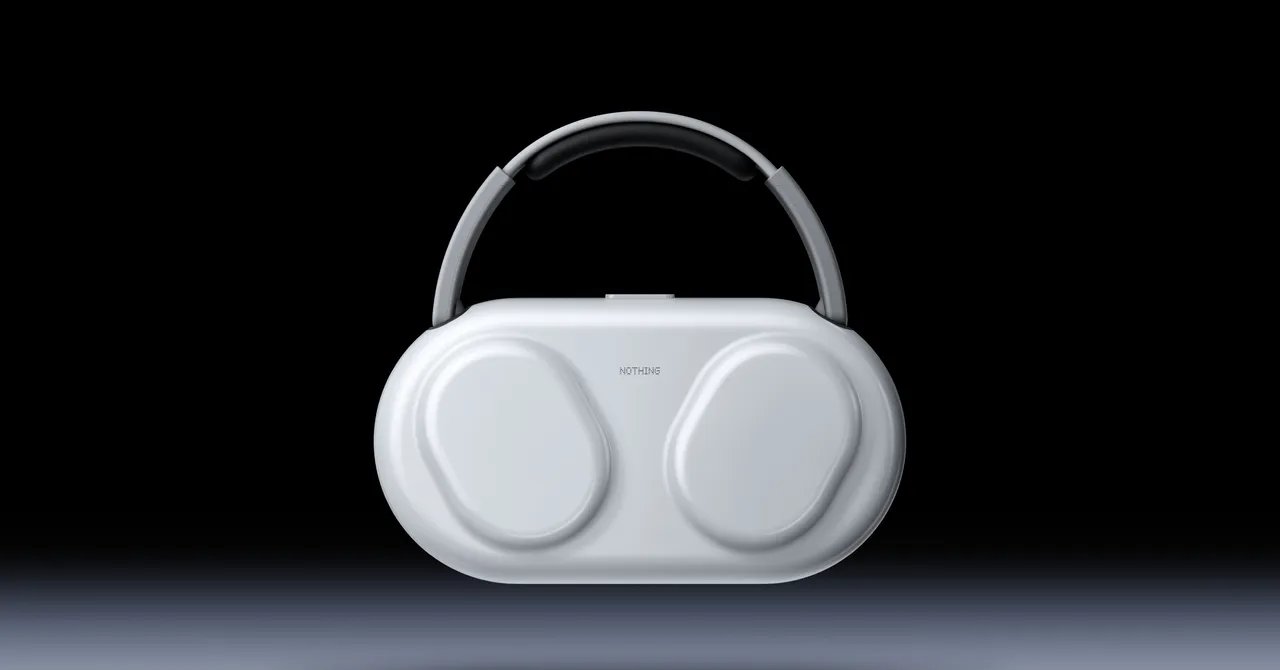
Nothing has challenged this paradigm with the announcement of the Headphone (1) Pro. Unveiled at an event in New York City, the device represents a deliberate departure from the company’s previous entry-level over-ear model. Instead of relying on a singular speaker to carry the entire load, the Headphone (1) Pro utilizes a triple-driver system within each earcup. By dedicating specific hardware components to distinct frequency ranges, the design aims to minimize distortion and provide a more surgical separation of instruments and vocal textures.
Breaking Down the Triple-Driver System
The technical core of the Headphone (1) Pro is defined by its tripartite driver distribution. The lowest frequencies are managed by a dedicated 40-mm bass dynamic driver. By isolating the low end, this component ensures that heavy, rhythmic tracks do not bleed into or overwhelm the rest of the frequency spectrum.
Supporting the mids is a secondary precision dynamic driver, which focuses specifically on the nuanced delivery of vocals, acoustic instruments like guitars, and pianos. This inclusion is designed to enhance clarity in sibilant sounds, ensuring that “S” and “T” articulations in recordings remain crisp rather than soft or washed out.
The most unconventional component is the treble driver, which utilizes xMEMS technology. Unlike traditional voice-coil magnets, xMEMS relies on a solid-state silicon diaphragm. This integration is designed to handle transients—the instantaneous, high-energy bursts found in cymbal crashes or rapid synth spikes—with significantly higher speed and accuracy. This architectural choice effectively creates a hierarchy of hardware, where each driver operates in its optimal functional range.
Industrial Design and Transparent Aesthetics
Nothing has maintained its commitment to distinctive industrial design language with the Headphone (1) Pro. While the silhouette is a refinement of the company’s previous over-ear efforts, the aesthetic is defined by the inclusion of 9H Panda glass panels on the sides. These windows allow a view into the triple-driver internal architecture, blending the gadget’s internal engineering with its exterior housing. The build is constructed primarily from aluminum, featuring titanium accents that contribute to a premium finish.
Despite the inclusion of glass, durability remains a priority. According to the design team, the glass was subjected to drop tests from heights exceeding one meter, successfully passing 18 times during the development phase. Furthermore, the construction incorporates a structural plastic film behind the glass panels; this ensures that in the event of a fracture, the internal chamber maintains its integrity, preserving the acoustic seal necessary for high-quality audio playback.
Repairability and Practical Ergonomics
The integration of complex glass and metal components often raises questions regarding hardware maintenance. Nothing has attempted to simplify the repair process by designing the glass panels to be removable via controlled heat application. This allows technicians to bypass the outer shell to reach internal components without causing permanent structural damage to the earcup chassis.
Beyond the internal circuitry, the ergonomics have seen a slight shift. The Headphone (1) Pro is two grams lighter than its predecessor, a subtle change accompanied by a wider headband and increased padding depth. These adjustments target long-term comfort for users who wear the device during extended listening sessions. From a logistical standpoint, the unit carries an IP52 rating, meaning it offers protection against limited dust ingress and light water spray. While it is not designed for immersion or heavy storms, the rating provides a standard level of durability for daily transit.
Impact on Battery Life and Performance
The decision to move to a triple-driver architecture does not come without a trade-off in power management. The Headphone (1) Pro offers 68 hours of battery life with active noise cancellation (ANC) turned off. This is a noticeable reduction compared to the 80 hours found in the previous model, suggesting that the additional electronic processing required for the three-driver system draws more power from the onboard cells.
Despite the dip in total playback time, the intended impact of the Headphone (1) Pro is clear: it represents an attempt to bridge the gap between mass-market consumer electronics and enthusiast-grade audio hardware. By utilizing silicon-based xMEMS technology alongside traditional dynamic drivers, the company is betting that users will prioritize tonal separation and high-frequency resolution over maximum battery longevity. Whether this technical complexity translates into a superior daily listening experience will be the true test as the device hits the market, signaling a pivot toward more specialized audio engineering for the brand.
Disclaimer: This content is auto-generated for informational purposes only.
Source: Read Original News