








The Emergence of the Motorola Razr Flex
Motorola is poised to disrupt the high-end mobile market with the development of a new wide-format foldable smartphone. Known internally by the codename “Parker” and referred to in current documentation as the Razr Flex, this device marks a significant strategic departure from the company’s long-standing focus on clamshell-style flip phones. Following a series of preliminary leaks and official social media teases, the technical specifications of this device have come to light, revealing a powerhouse designed to compete directly with leading horizontal-folding handsets.
The shift toward a wide-format design suggests that Motorola is targeting professionals and power users who require increased screen real estate for multitasking and productivity. By moving away from the vertically oriented flip form factor, the company aims to offer a tablet-like experience that remains pocketable. This development signals a broader transition in the foldable sector, where manufacturers are increasingly prioritizing functional display ratios that mimic traditional desktop or slate computing environments.
High-Performance Hardware Specifications
At the heart of the Razr Flex sits the Snapdragon 8 Elite Gen 5 system-on-chip. This processor is engineered to handle intensive computational tasks, ranging from complex multitasking to high-fidelity gaming and on-device generative artificial intelligence. The inclusion of this silicon places the device firmly in the flagship category, ensuring that it remains relevant as software demands increase.
Complementing the processing unit is 12GB of RAM. While current trends in the smartphone industry see some devices pushing toward 16GB or more, 12GB remains the gold standard for maintaining fluid transitions and background performance in Android environments. Interestingly, reports indicate that the device will launch with a fixed 256GB storage capacity. This constraint suggests a focus on cloud-based storage integration or a deliberate attempt to streamline the supply chain for the initial release. The device is slated to ship with Android 17, placing it at the vanguard of mobile operating system adoption upon its mid-December debut.
Display Architecture and Visual Fidelity
The defining feature of the Razr Flex is its dual-OLED display system. The inner folding screen spans 6.92 inches with a resolution of 2364×1728 pixels. Most notably, this panel supports a 165Hz refresh rate, a significant leap over the 120Hz standard found in most contemporary foldables. This high refresh rate ensures exceptionally smooth motion, whether navigating the interface, scrolling through documents, or engaging in high-frame-rate media playback.
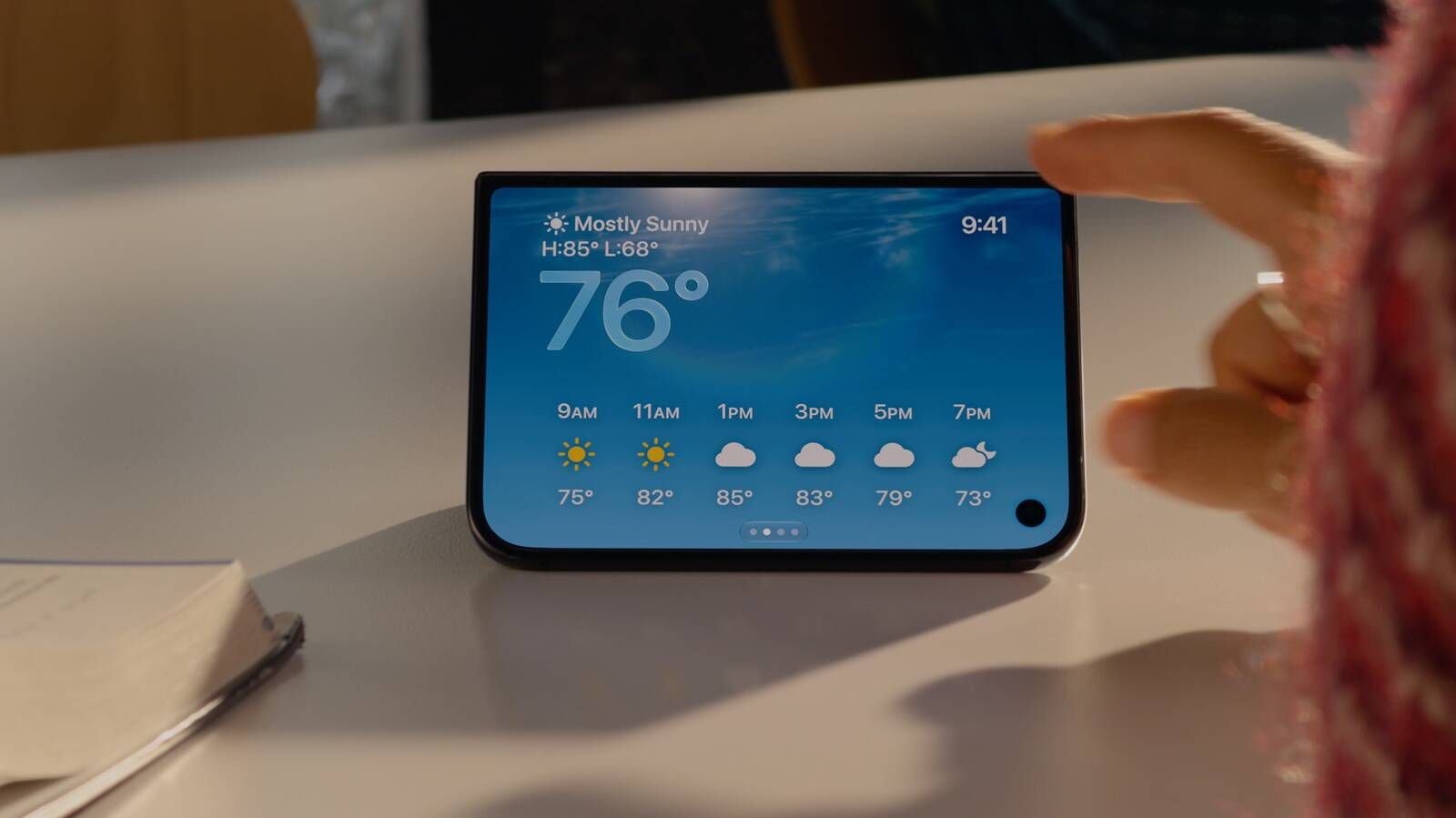
The external cover display is equally impressive, measuring 4.97 inches with a resolution of 1140×1736 pixels. Unlike smaller, secondary displays on traditional flip phones that primarily serve for notifications, this wide cover screen is designed for full interaction. It allows users to perform secondary tasks, manage applications, and interact with the device without the need to unfold it. This dual-display configuration allows for a seamless transition between quick interaction and deep-focus work, effectively turning a compact device into a productive handheld computer.
Physical Durability and Structural Engineering
Portability and structural integrity are critical challenges for wide-format foldables. The Razr Flex addresses these through a frame that measures 110 x 149 x 5.8 mm when unfolded, resulting in an exceptionally slim profile. When folded, the device shrinks to 110 x 76 x 12.6 mm, making it comparable to a standard smartphone profile. With a total weight of 215 grams, the device is engineered to feel substantial yet manageable for daily use.
A notable leap in durability comes in the form of its IP48 and IP49 certifications. These ratings indicate a high degree of protection against both water ingress and particulate matter. The IP49 rating, in particular, is rare in the smartphone industry, denoting protection against high-pressure water jets and extreme temperature exposure. This level of ruggedization is a key selling point for a device with complex mechanical hinges, providing users with the assurance that the device can withstand the rigors of travel and adverse weather conditions.
Advanced Camera Systems and Power Management
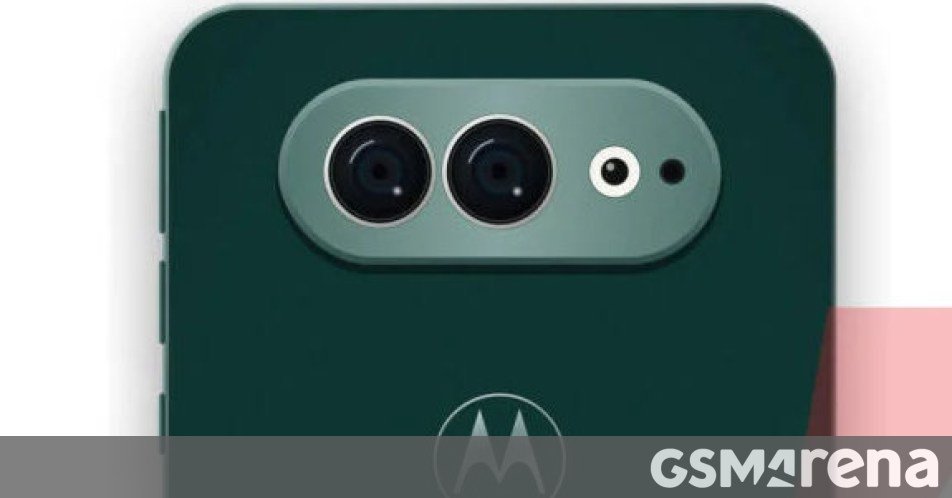
The imaging system on the Razr Flex is built for versatility. It features a dual 50MP sensor array on the rear, consisting of a primary wide camera and an ultrawide secondary sensor. This setup is optimized for high-resolution photography and wide-angle architectural or landscape shots. To facilitate video conferencing and biometric verification, the device incorporates two 32MP selfie cameras—one positioned on the inner display and another on the cover display. This ensures that regardless of whether the device is folded or open, high-quality front-facing capture is always available.
To keep this hardware running throughout the day, Motorola has equipped the device with a 5,000 mAh battery. Given the energy demands of a high-resolution 165Hz screen and a high-performance chipset, this capacity is essential for modern battery life standards. Furthermore, the inclusion of 25W wireless charging underscores the focus on convenience, allowing users to replenish power without the need for cables.
Impact and Market Positioning
The decision to introduce the Razr Flex into the landscape represents a calculated move by Motorola to challenge the status quo. By focusing on a refined, high-performance wide foldable, the company is bridging the gap between its legacy in the flip market and the modern demand for tablet-scale computing. With distinctive color finishes such as Pantone Coriander and Pantone Dark Botanical Garden, the device avoids the minimalist, monochromatic trend, aiming instead for a aesthetic that appeals to professional and design-conscious consumers.
As the launch approaches in mid-December, the tech industry will be watching to see how the software optimization for Android 17 leverages the 165Hz display and the multitasking capabilities of the horizontal form factor. If successful, the Razr Flex could redefine expectations for how a foldable device should look, feel, and perform, potentially pressuring competitors to elevate their standards for display fluidity and structural durability.
Disclaimer: This content is auto-generated for informational purposes only.
Source: Read Original News