





India Dismisses Turkey’s UNGA Remarks on Jammu and Kashmir as ‘Unwarranted’
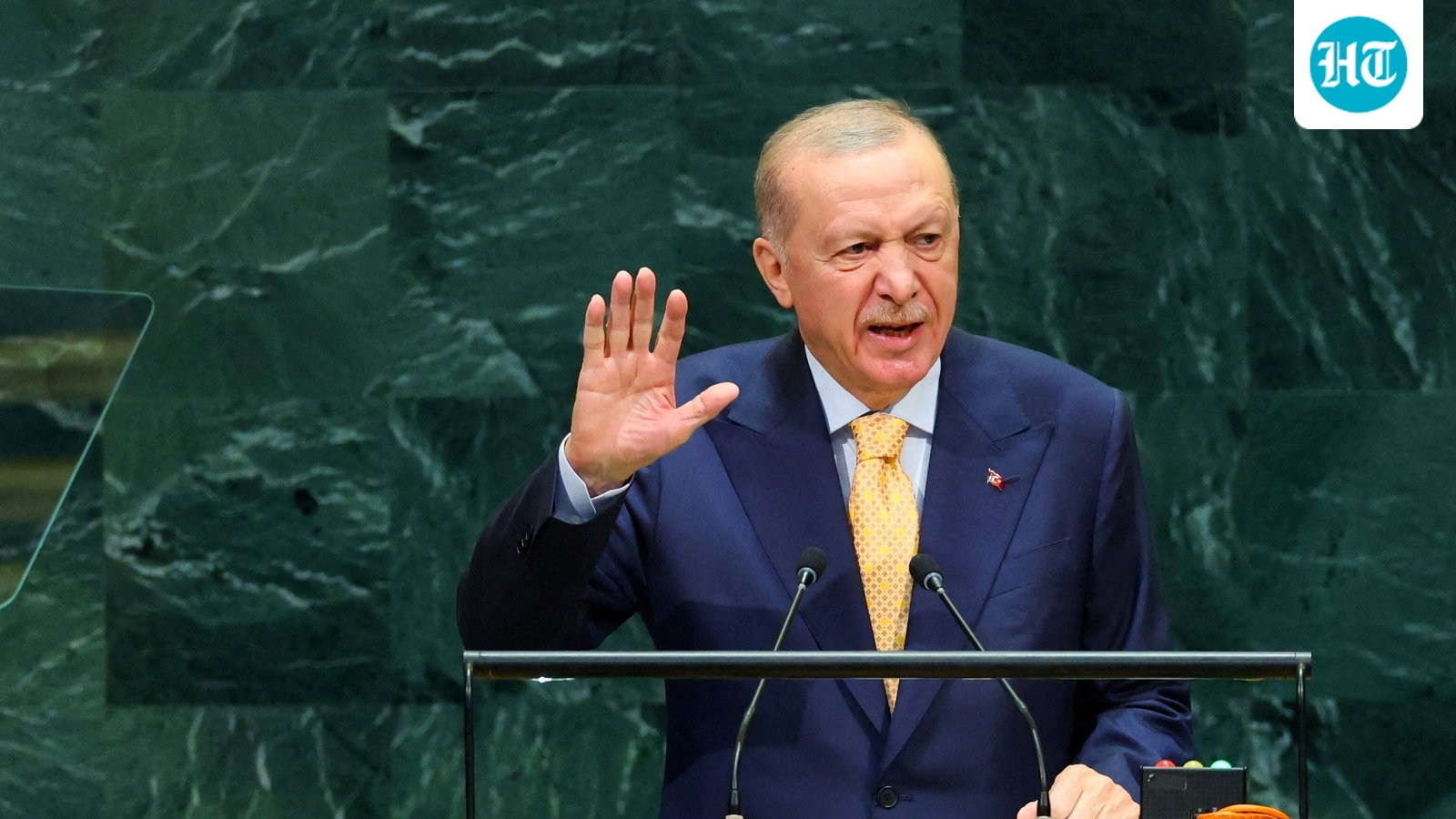
In a firm diplomatic response, the Indian government has categorically rejected comments made by Turkish President Recep Tayyip Erdogan regarding the union territory of Jammu and Kashmir. During his address at the United Nations General Assembly (UNGA), President Erdogan advocated for resolving disputes in South Asia through dialogue, specifically mentioning the status of Kashmir. New Delhi has described these assertions as entirely misplaced, reiterating that external interference in the region remains unacceptable.
During the Ministry of External Affairs’ (MEA) regular briefing, spokesperson Randhir Jaiswal addressed the matter with sharp clarity. He asserted that the administration rejects the “unwarranted references” made by the Turkish leader, emphasizing that the internal affairs of India are not open to debate or mediation by international actors.
Sovereignty and Territorial Integrity
The central tenet of India’s response lies in the principle of sovereign jurisdiction. Jaiswal underscored that Jammu and Kashmir is an inseparable part of India, a position that is fundamentally tied to the nation’s territorial integrity.
“This is a matter, as you would understand, pertaining to India’s territorial integrity and sovereignty, and no external party has any locus standi on this issue,” Jaiswal stated. By using the term “locus standi,” the Indian government has reinforced its long-standing stance that global platforms are not the appropriate venues for discussing bilateral issues between India and Pakistan, and that third-party commentary is both unnecessary and legally baseless.
A Pattern of Unwelcome Commentary
This latest incident is not an isolated occurrence but part of a persistent trend in Turkish foreign policy under President Erdogan. The Turkish head of state has utilized the UNGA podium in previous years to advocate for a dialogue-based resolution concerning Kashmir, often citing the need for adherence to United Nations resolutions.
India’s reaction has remained consistent throughout these years. Whether during previous UN sessions or diplomatic visits—such as when President Erdogan visited Islamabad in early 2025 and spoke on the subject—New Delhi has consistently lodged formal protests. On those occasions, the government emphasized that any attempt to internationalize the Kashmir issue is “objectionable.” The Ministry of External Affairs has repeatedly reminded Ankara that the bilateral nature of India-Pakistan relations precludes the need for international mediation, a boundary that India is not willing to see crossed.
India’s Diplomatic Stance
India’s foreign policy framework, particularly regarding Kashmir, remains rigid and clearly defined. New Delhi maintains that the situation in the union territory is a strictly internal concern. Furthermore, the government views any external focus on the region as a disregard for the bilateral framework established under the Simla Agreement and the Lahore Declaration, which dictate that all outstanding issues between India and Pakistan must be resolved through direct, bilateral negotiations.
By continuing to address these comments with immediate and direct rebuttals, the MEA signals to the international community that India will continue to protect its national narrative against any attempts to reframe its domestic affairs through the prism of foreign diplomatic discourse. As of now, the Indian government remains firm in its refusal to engage with any narrative that challenges its sovereignty over the region.
Disclaimer: This content is auto-generated for informational purposes only.
Source: Read Original News