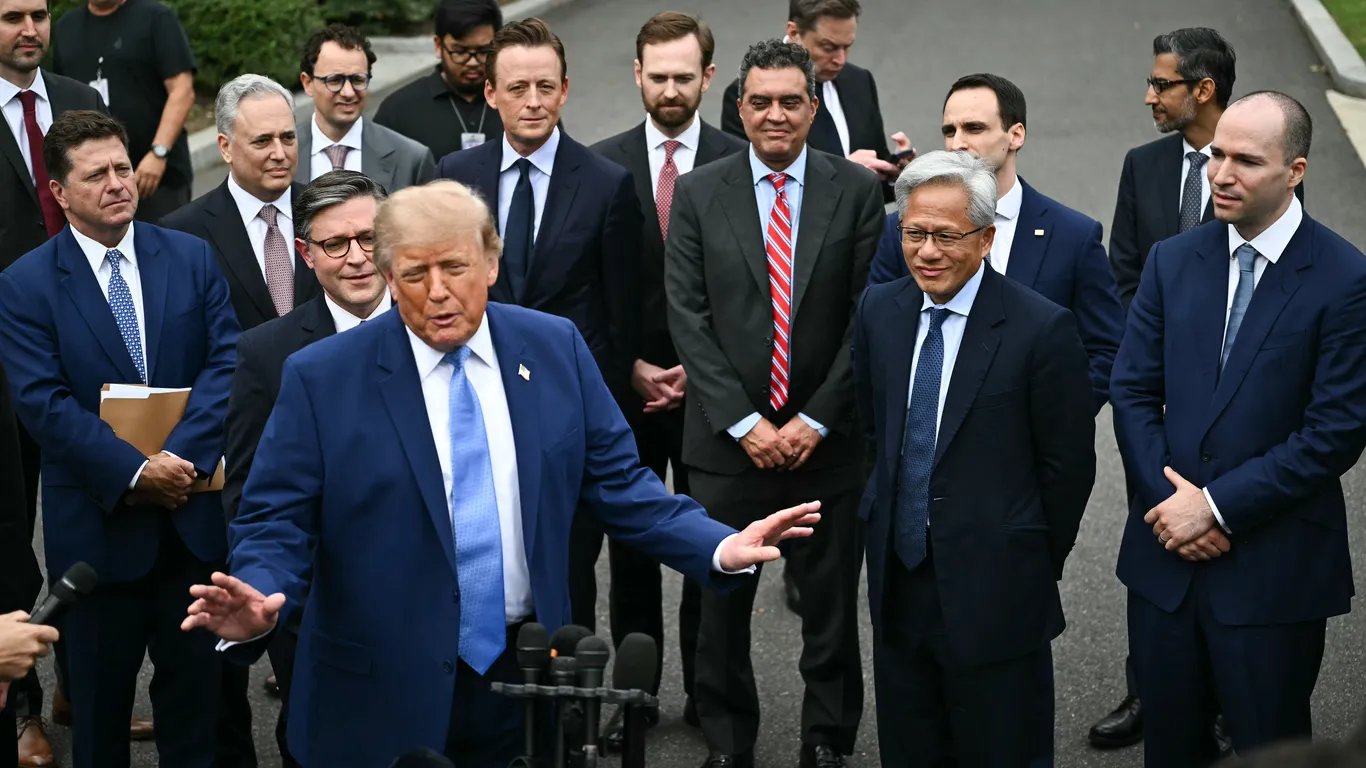









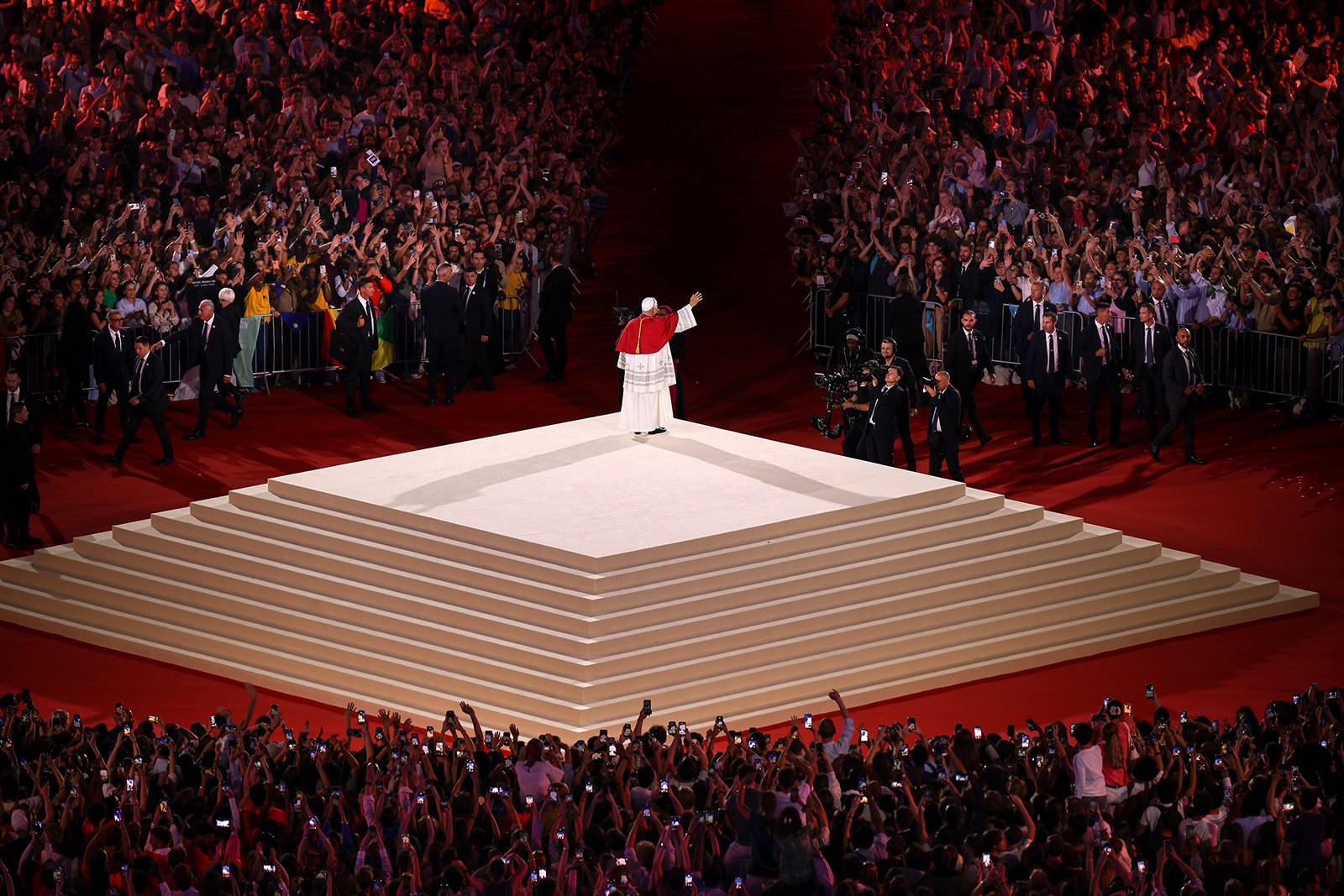
WASHINGTON — In an era defined by rapid technological disruption, a surprising intersection has emerged between the boardrooms of Silicon Valley and the pulpits of the American Church. As artificial intelligence accelerates at an unprecedented pace, tech executives and high-level government officials are increasingly turning to faith leaders for guidance on the moral, ethical, and human implications of the digital revolution.
Recent high-level meetings between ecclesiastical figures and policy architects have revealed a growing consensus: the technical challenges posed by AI are inseparable from fundamental questions of human dignity, conscience, and communal well-being.
“As I’ve met with tech leaders and government officials, I’ve been surprised—and gratified—by the intense level of interest in and respect for what the U.S. Church has to offer as AI accelerates,” said one senior religious observer following a series of closed-door briefings in the nation’s capital. “There is a palpable recognition that while these companies hold the keys to the future of computation, they are grappling with questions that were addressed centuries ago by theological traditions.”
The urgency of these dialogues stems from a collective realization that AI is no longer a peripheral development but a societal foundation. As algorithms increasingly govern labor markets, creative industries, and interpersonal communication, officials are finding that secular frameworks of regulation often lack the depth to address existential concerns about agency and empathy.
For many tech executives, the appeal of the American Church lies in its vast experience in navigating the human condition. While engineers focus on optimization and speed, church leaders are pressing for discourse on “virtue-based computing” and the protection of those most vulnerable to automation-driven displacement.
Government officials, currently tasked with drafting a regulatory infrastructure for emerging technologies, have also sought input from faith-based groups. Observers suggest that policymakers are looking for a moral language that transcends partisan gridlock, hoping to anchor AI development in timeless values rather than fleeting market trends.
Critics of this budding partnership, however, caution against the integration of theological ethics into secular policy, citing the importance of maintaining a strict separation of church and state. They argue that technological progress should be guided by empirical data and human rights law, rather than religious doctrine.
Despite these tensions, the collaboration continues to grow. Religious leaders are increasingly being invited to serve on advisory councils and ethics boards, signaling a shift in how the tech industry views its role in the broader ecosystem of society.
As the lines between digital simulation and reality blur, this unlikely alliance suggests that the future of artificial intelligence will not be determined solely by code, but by the moral framework in which that code is written. For the American Church, this represents a unique opportunity to shape the digital age, ensuring that the technology of tomorrow honors the humanity of today.
Disclaimer: This content is auto-generated for informational purposes only.
Source: Read Original News